
Okanagan communities plan prescribed burns to reduce wildfire risk
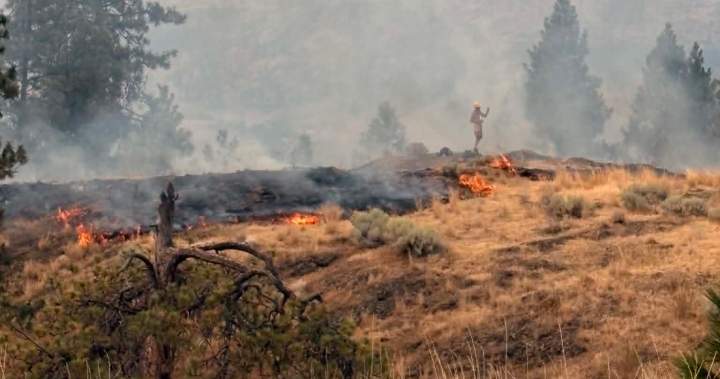
In an effort to shield the Okanagan region from future climate catastrophes, the Kelowna Fire Department is aggressively scaling up its proactive wildfire risk management strategy. Following another punishing fire season that left deep scars on the provincial landscape, officials are moving forward with a series of deliberate, controlled blazes designed to safeguard the community. These operations, commonly known as prescribed burns, are slated for several key areas across the city, including the popular Knox Mountain.
For many local residents who witnessed the destructive power of recent blazes firsthand, the shift toward a more aggressive prevention strategy is not just welcome, it is essential for long-term survival. As one local resident, Roy Shatz, noted, the community understands that we must be proactive because we have all seen the devastating toll wildfires take on our regional neighbors. This heightened sense of urgency reflects a broader shift in how British Columbia manages its forested borders, moving away from total suppression toward a more nuanced, ecologically informed approach.
Understanding the Science of Wildfire Risk
At its core, a prescribed burn is a carefully managed tool that removes the excess underbrush, dry timber, and forest debris that otherwise serve as a perfect fuel source for an uncontrollable blaze. As Dennis Craig, the assistant chief of mitigation, risk, and wellness with the Kelowna Fire Department, explains, the goal is not to eliminate fire from the environment, but to modify the landscape so that if a wildfire does ignite, its severity and intensity are significantly dampened. You can learn more about how land management practices have evolved globally to deal with these risks.
The execution of these projects is a delicate dance with the environment. Fire crews are entirely dependent on Mother Nature, waiting for the precise alignment of temperature, humidity, and venting conditions before lighting the match. This ensures the smoke can dissipate safely and the fire stays within its designated containment lines. Because these variables are so unpredictable, the department maintains a high level of caution and meticulous planning for every operation.
Building Regional Capacity and Future Readiness
The significance of these local efforts extends far beyond city limits. Kelowna has integrated its project into the broader B.C. Wildfire Service’s Training Exchange, or TREX, program. By inviting fire officials from across the province to assist, the department is effectively building a larger, more skilled workforce capable of handling complex fire scenarios. This collaborative spirit is essential for addressing emerging regional security concerns that often distract from environmental preparedness. As programs like TREX gain momentum, the capacity for provincial fire management continues to grow, with the number of prescribed burns across British Columbia rising sharply in recent years.
Beyond Kelowna, similar initiatives are already in the works for Lake Country and the North Okanagan. It is a necessary evolution in how the province views its relationship with the land. By intentionally putting more fire back on the landscape under controlled circumstances, experts hope to mimic natural fire cycles that have been suppressed for decades. This work is difficult, labor-intensive, and requires constant public dialogue to maintain trust, but in the face of a changing climate, it may be the most vital investment in public safety the region has ever made.