
Vijay Govt Withdraws RTI Exemption For Public Law And Order Department After Opposition
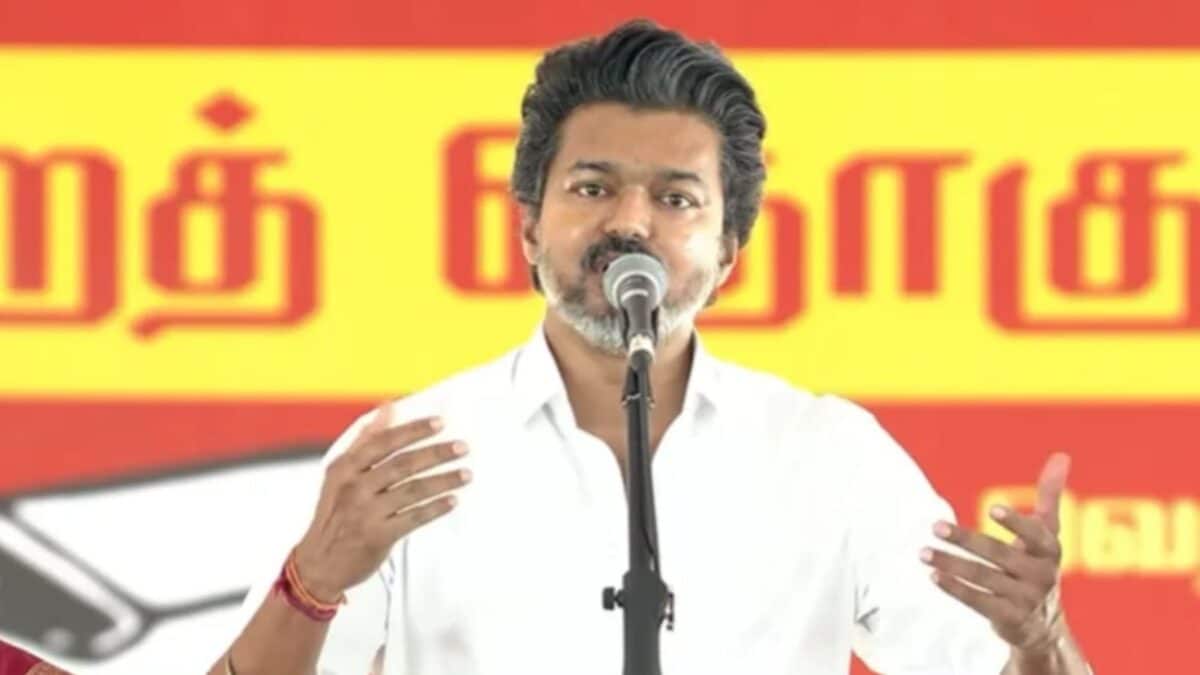
In a significant victory for government transparency, the Tamil Nadu administration has officially withdrawn its controversial decision to exempt the Public (Law and Order) Department from the Right to Information (RTI) Act, 2005. This pivot follows intense pressure from opposition parties, civil society groups, and citizens who expressed alarm over what they perceived as a direct threat to democratic accountability. The sudden reversal highlights the power of public scrutiny in maintaining the integrity of democratic institutions.
Understanding the RTI Act Reversal
The initial exemption, which was formally issued through a government order on September 21, 2026, sought to move the Law and Order Department outside the purview of the RTI framework. Citing Section 24(4) of the legislation, the state government had initially argued that the department functioned as an intelligence and security organization. This justification, however, failed to pacify critics who pointed out that the department is the primary authority responsible for reporting on sensitive incidents, including custodial deaths, police encounters, and communal tensions.
By removing this shield of secrecy, the government has ensured that the public retains the legal right to scrutinize official records. For many, this is a crucial step in preventing the normalization of a police state. Transparency advocates have long argued that shielding law enforcement bodies from public questioning only breeds impunity, particularly when matters involve human rights and administrative accountability.
Why the Government Backtracked
The political fallout was swift and sharp. Opposition figures, including CPM MP Venkatesan and Congress MP Karti Chidambaram, were vocal in their condemnation. Critics highlighted that the Law and Order Department handles far more than just top-secret intelligence; it maintains the records of detainees, police conduct, and civil unrest. Obscuring these files would have effectively silenced public discourse on critical state issues. Similar concerns regarding governance and electoral transparency have been echoed in other debates, such as those discussed in recent reports on electoral disputes.
Minister CTR Nirmal Kumar had initially attempted to defend the policy as a surgical measure, claiming it was meant to limit information only on sensitive community-clash data. He maintained that the department operates across twenty different sections and that only a narrow sliver of information was intended to be restricted. Yet, the public remained unconvinced. As the dissent grew, the administration chose to avoid a prolonged legal and political battle by revoking the order in its entirety.
The return to the previous transparency standards signifies that the government is, at least for now, responsive to popular feedback. The revocation reinforces the foundational principle that the RTI Act is a tool for the people, not a hurdle for the state. As the department returns to the full scope of the law, civil society is expected to remain vigilant, ensuring that no future attempts to bypass the act are successful.