
An extraordinary life: descendant welcomes biography of woman ‘gifted’ to Queen Victoria
Introduction & Key Takeaways
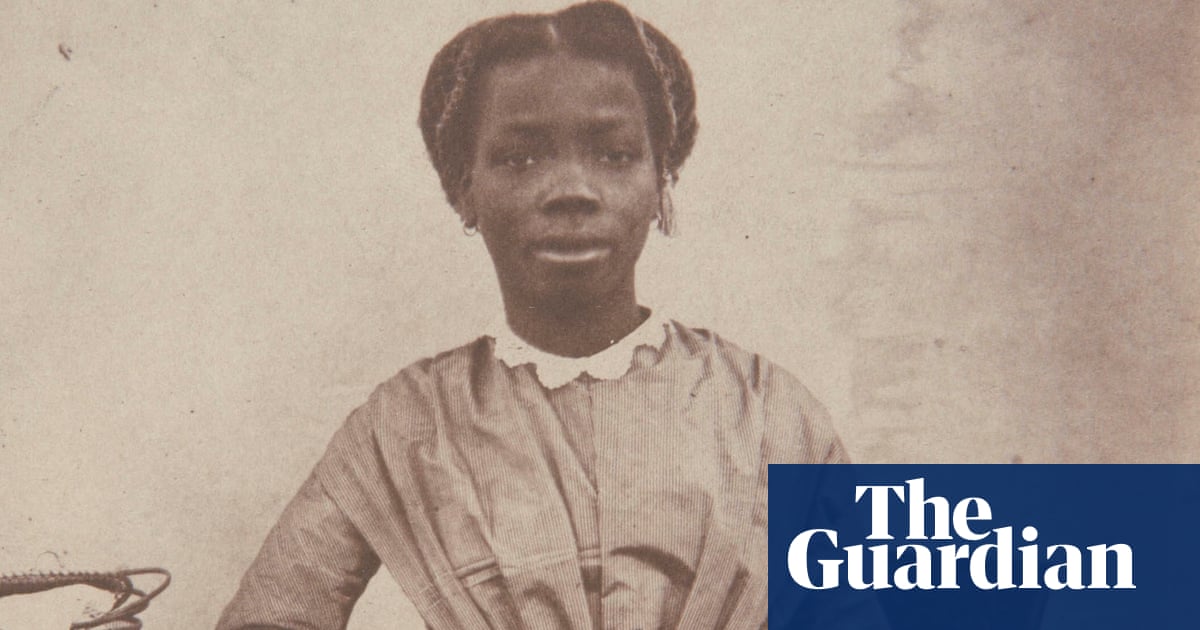
The life of Sarah Forbes Bonetta, once a young girl named Àìná, remains a profound study in 19th-century colonial dynamics. Presented as a diplomatic gift to Queen Victoria, her journey from a displaced child in Nigeria to a prominent figure in the British Victorian court highlights the complex intersection of personal agency and imperial exploitation. This article examines her biography, Sarah Forbes Bonetta, through the lens of recent academic research that challenges long-standing historical myths.
- Sarah Forbes Bonetta was captured as a young child and later brought to England under the care of the Royal Navy.
- New research by Professor Henry Lovejoy suggests she was part of an elite system of indentured labor, challenging narratives of her life as a simple royal ward.
- The story of her descendant, Bayo Randle, underscores the duality of her historical representation.
Background & Context (What Just Happened?)
Born in 1843 in Òkè-Òdàn, Nigeria, Àìná experienced profound tragedy when her family was killed during an attack by the forces of King Ghezo of Dahomey. She was eventually captured, likely by the elite all-female military regiment known as the agodjié, and held at the king’s court. In 1850, Captain Frederick Forbes of the Royal Navy arrived in Dahomey seeking to enforce anti-slavery treaties. During this mission, he requested the girl, who was then presented to Queen Victoria as a gift.
Root Cause & Deep Dive Analysis (Why Did This Happen?)
The historical framing of Sarah Forbes Bonetta has often focused on the perceived benevolence of the British monarchy. However, academic scrutiny reveals a more complicated reality. As detailed in historical records, she was formally treated as property of the crown until she reached the age of nineteen. This legal arrangement allowed the state to manage her education and eventual marriage to James Pinson Labulo Davies, a prominent merchant. This system, which affected thousands of others, was designed to cultivate colonial subjects who could be used to project the soft power of the empire. As noted in related historical sociopolitical analysis, the use of individual narratives often obscures the broader systemic mechanisms of power.
Strategic Implications & Future Impact (What Does This Mean Globally?)
The re-examination of Sarah Forbes Bonetta forces a broader conversation about how we remember the colonial era. By moving past the myth that she was merely a pampered goddaughter of the Queen, we gain insight into the pervasive influence of imperial iconography. Her life was used to validate the concept of a civilizing mission, a narrative that still informs contemporary discourse on post-colonial identity and reparations. The archival work done by researchers highlights how individual biographies, when analyzed with rigor, can dismantle institutional propaganda.
Conclusion & What to Watch Next
Bayo Randle, her great-great-grandson, remains a central voice in reconciling this history. He acknowledges the difficulty of confronting the reality that his ancestor was a symbolic tool, yet he also celebrates her resilience. Moving forward, observers should watch for how academic biographies continue to refine our understanding of the various movements and figures that shaped the modern world. Sarah Forbes Bonetta remains an early, if reluctant, icon of Black British history, a woman whose life is as significant for her individual triumphs as it is for the structural inequalities she endured.