
‘BJP Defaming Punjab Farmers, Ignoring Haryana’: AAP Hits Back Over Delhi Air Pollution
Introduction & Key Takeaways
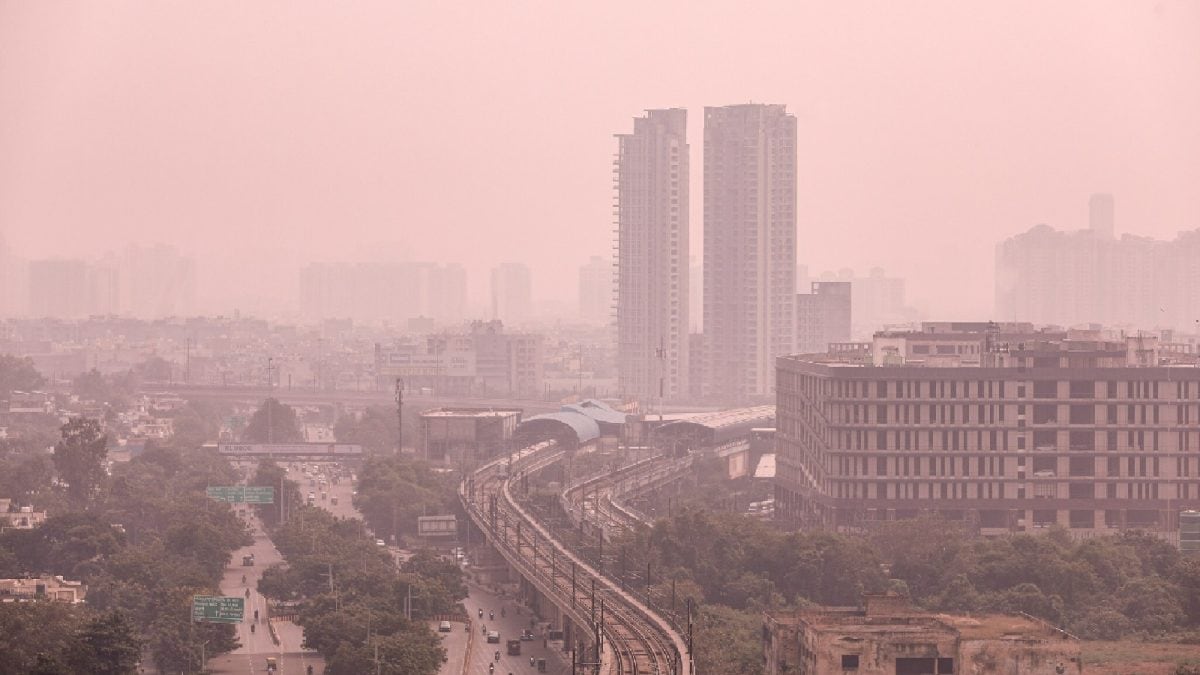
As winter descends upon North India, New Delhi continues to battle toxic air, triggering a fierce political confrontation. The capital city remains engulfed in thick smog, and the latest spike in Delhi air pollution has reignited tensions between the Aam Aadmi Party (AAP) and the Bharatiya Janata Party (BJP). Central to this dispute is the surge in stubble burning, which has become a recurring flashpoint in the region’s environmental crisis.
- Punjab recorded 1,152 fresh farm fire incidents on Diwali alone, marking the sharpest single-day increase this season.
- The political rhetoric has intensified, with AAP officials accusing the BJP of selectively targeting Punjab farmers for political mileage.
- Experts emphasize that while stubble burning is a significant factor, it is only one component of a larger, multifaceted urban health crisis.
- Delhi’s air quality remains in the severe category, necessitating a more collaborative approach beyond partisan finger-pointing.
Background & Context (What Just Happened?)
The current impasse follows alarming data from the Punjab Remote Sensing Centre, which detected over a thousand active fire locations on the night of the festival. For context, the annual farm-fire monitoring period typically spans from mid-September through late November. While similar spikes were historically common, the timing of this particular escalation has invited intense scrutiny. The rapid degradation of air quality following the festival highlights the precarious nature of the NCR region’s atmospheric health during the harvesting season.
Root Cause & Deep Dive Analysis (Why Did This Happen?)
The debate surrounding Delhi air pollution involves deep-seated logistical and political complexities. AAP Finance Minister Harpal Singh Cheema argues that the state government has made significant strides in distributing machinery to discourage burning. He contends that the BJP ignores similar fire incidents in Haryana and Uttar Pradesh, suggesting that the rhetoric is rooted in political vengeance against Punjab’s agricultural community for past legislative protests.
Conversely, BJP leaders like Kapil Mishra claim that the sudden, massive spike in fire counts on Diwali night defies natural harvesting patterns. They argue that these events were deliberately orchestrated to cast a negative light on the festivities. This disagreement highlights a lack of consensus on data interpretation, which complicates the implementation of effective mitigation strategies.
Strategic Implications & Future Impact (What Does This Mean Globally?)
The persistence of high pollution levels in the national capital has profound economic and health consequences. Stubble burning contributes roughly 20% to PM2.5 levels during the winter, yet transport, industrial emissions, and dust play equally critical roles. When political actors prioritize blaming one another over addressing the systemic, year-round sources of pollution, the long-term health of millions remains at risk. Furthermore, the political instability caused by such disputes often delays the adoption of modern, sustainable agricultural technology, forcing farmers to bear the brunt of public anger while they lack viable economic alternatives for waste management.
Conclusion & What to Watch Next
Moving forward, the focus must shift from political posturing to transparent data-sharing and collaborative policy. While the Delhi air pollution debate remains stalled in accusations, the actual solution lies in scaling up decentralized biomass management. Observers should monitor whether upcoming inter-state meetings lead to binding commitments on infrastructure rather than renewed cycles of blame. As we navigate the remainder of the winter, the priority must be the tangible reduction of emissions rather than the political weaponization of environmental statistics.