
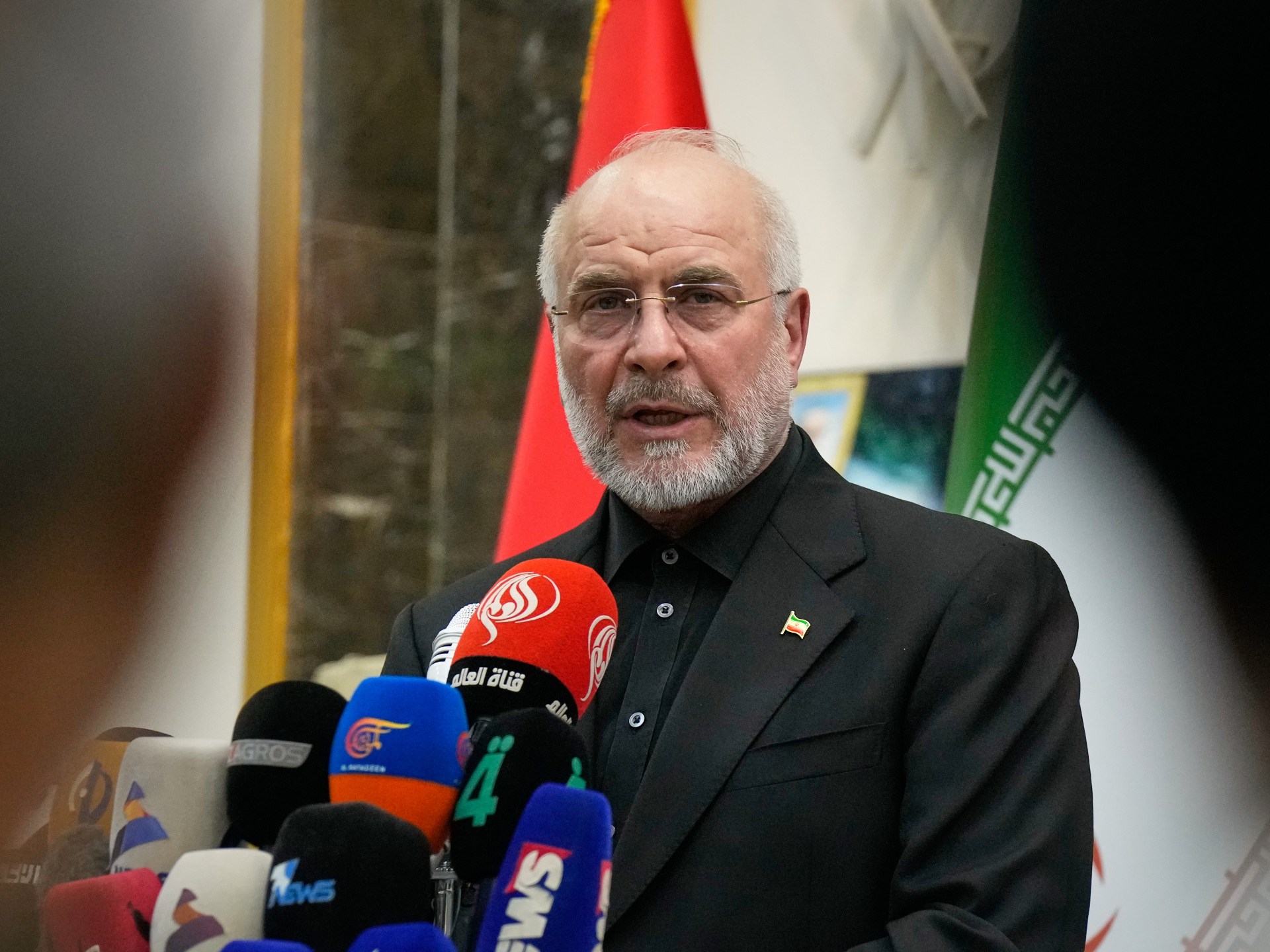
Hormuz Strait will ‘never return’ to pre-war status, Iran’s Ghalibaf says
Introduction & Key Takeaways
The global energy landscape faces a period of profound uncertainty as the Strait of Hormuz remains a flashpoint in the ongoing conflict between Iran and the US-Israel coalition. In a high-stakes interview, Iranian parliament speaker Mohammad Bagher Ghalibaf declared that the vital shipping lane will never return to its pre-war status, signaling a fundamental shift in how Tehran intends to exert control over regional maritime traffic. This development highlights the intensifying struggle for power in the Middle East and the significant risks to international trade routes.
Key takeaways include:
- Iran has officially rejected the application of international transit norms in the strait, claiming exclusive regulatory authority alongside Oman.
- Tehran has presented a seven-point proposal for de-escalation, which includes the removal of naval blockades and the release of frozen funds.
- The diplomatic impasse remains heavy with distrust, placing the burden of further action on the United States.
- Regional stability in Yemen and beyond remains closely linked to these broader geopolitical shifts, as noted in recent political analyses regarding regional alliances.
Background & Context
For decades, the Strait of Hormuz has served as the world’s most important oil chokepoint, facilitating the passage of a significant portion of global liquid energy supplies. The current conflict, which has persisted for eight months, has effectively suspended the routine flow of commercial vessels, leading to unprecedented economic strain. Ghalibaf’s recent comments reflect a hardening of Iran’s position, suggesting that Tehran views the current military and political standoff not merely as a temporary disruption, but as an opportunity to redraw the rules of engagement for the waterway.
By invoking a lack of applicability for the 1982 United Nations Convention on the Law of the Sea, Iran is challenging the established international order. This assertive stance follows months of international tensions that have forced global powers to rethink energy security strategies. The shift from a neutral transit corridor to a contested zone governed by local powers is a departure from historical norms that allowed for relatively unfettered commerce.
Root Cause & Deep Dive Analysis
The root of this escalation lies in a fundamental breakdown of diplomatic communication. Ghalibaf explicitly mentioned that Tehran is currently awaiting an official response from Washington regarding the seven conditions established during back-channel discussions. The core issue is the severe lack of trust, which has transformed technical negotiations into a broader ideological battle. The Iranian administration contends that the previous “free water” status was a construct that favored foreign intervention over local sovereignty.
Furthermore, the internal political pressure within the United States, compounded by the upcoming transition in Congress, has created a narrow window for diplomacy. Tehran appears to be leveraging the timing of the next US legislative session to demand concessions. This strategy is designed to test the resolve of the administration while simultaneously solidifying Iranian influence over its immediate maritime environment. The rejection of traditional international legal frameworks serves as a tool to gain leverage in these high-stakes negotiations.
Strategic Implications & Future Impact
The geopolitical ramifications of a permanently altered status for the Strait of Hormuz are immense. Should Tehran successfully enforce its new regulatory framework, it could effectively dictate the terms of entry for international vessels, thereby exerting control over the global energy price index. This would inevitably lead to increased reliance on alternative logistics and potentially further military deployments by Western powers to protect shipping.
The situation also complicates regional dynamics, particularly in Yemen, where Iran continues to monitor conflicts without direct interference. The potential for a wider, more entrenched conflict is high if the demands for sanctions relief and the unfreezing of assets are ignored. As the international community watches this standoff, the prospect of a long-term, low-intensity conflict appears more likely than a sudden diplomatic resolution.
Conclusion & What to Watch Next
The assertion that the Strait of Hormuz will not revert to its pre-war state serves as a clear warning to global markets. Iran’s current strategy is one of attrition, banking on the idea that the cost of prolonged closure will eventually force concessions from its adversaries. As we head into the new year, the primary indicator of change will be the official US response to Iran’s seven-point proposal. Observers should also closely monitor military movements in the Gulf, as any increase in patrolling or naval activity could serve as a precursor to either a final diplomatic breakthrough or a further hardening of regional positions.