
CJP’s Tiranga March Hits Roadblock As Bengaluru Police Deny Permission
Introduction & Key Takeaways
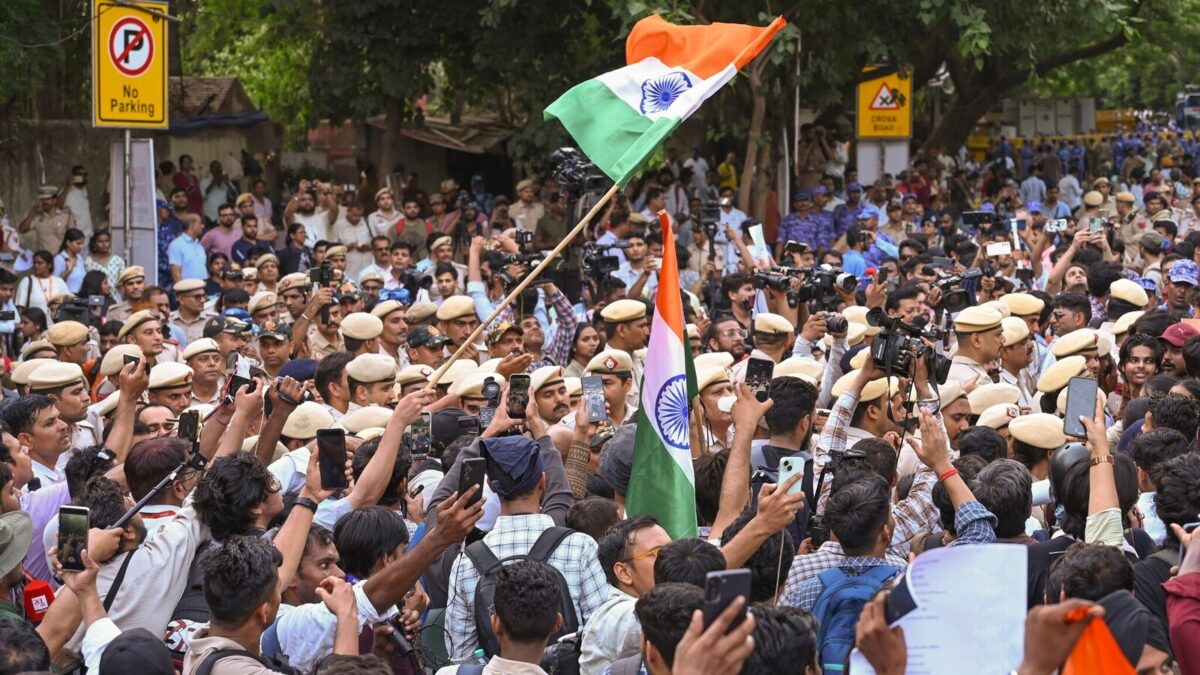
The political landscape in India is currently witnessing heightened tensions as the Cockroach Janta Party (CJP) faces significant administrative hurdles regarding their ongoing outreach efforts. Most recently, the CJP Tiranga March in Bengaluru has hit a definitive roadblock, with local law enforcement denying the organizers permission to assemble at the city’s iconic Town Hall. This refusal highlights a recurring friction between civic activism and urban regulatory frameworks.
- Bengaluru Police blocked the proposed march, citing strict venue protocols.
- Authorities reinforced that Freedom Park remains the only legal site for public demonstrations.
- The event was part of a broader, multi-city campaign known as ‘Lehra Do Tiranga’.
- Government officials, including the Chief Minister, emphasized that public order and traffic management take precedence over unapproved street gatherings.
Background & Context (What Just Happened?)
The CJP, working alongside groups such as Jagrata Karnataka and My Vote, My Right, aimed to conduct a peaceful procession from Town Hall to the Quit India Memorial. Organizers anticipated a turnout of several hundred supporters to promote their patriotic campaign. However, the plan was quickly intercepted by the Bengaluru Police. For those interested in the broader context of how such civil unrest is managed, it is worth observing similar instances where protest rights are balanced against public safety. The denial of permission underscores the rigid adherence to judicial guidelines regarding public spaces in major Indian metropolitan areas.
Root Cause & Deep Dive Analysis (Why Did This Happen?)
The denial of the CJP Tiranga March stems from a clear conflict between regulatory compliance and activist strategy. Law enforcement officials pointed to a specific Karnataka High Court directive that mandates all protests and rallies be confined to the designated Freedom Park area. By choosing Town Hall, a high-traffic area in the city center, the organizers inadvertently triggered concerns regarding public order and urban congestion.
Furthermore, local authorities noted that the organizers opted to publicize the gathering on social media before securing the necessary official clearances. This preemptive announcement likely heightened the sense of urgency for police deployment. The Karnataka Chief Minister clarified that the state government was not provided sufficient notice, which is a mandatory prerequisite for managing public events of this nature. This bureaucratic impasse reflects a systemic struggle where organizations attempt to capture public attention through high-visibility locations, while the state enforces strict zoning for political expression.
Strategic Implications & Future Impact (What Does This Mean Globally?)
The implications of this incident extend beyond local administrative denial. It serves as a case study for the evolving relationship between political organizations and urban planning. As civil society groups increasingly rely on digital mobilization to build momentum, their ability to navigate the physical constraints of urban environments becomes a critical tactical skill. If organizations cannot bridge the gap between social media planning and official permit processes, their public impact will remain severely limited.
Moreover, the management of public spaces in global cities is undergoing a transformation. Governments are increasingly concerned with how political activity affects the flow of commerce and daily life. As these policies tighten, groups like the CJP may find it more difficult to project their message in prominent public squares, forcing a pivot toward more localized or digital-only advocacy strategies. The ongoing scrutiny of protest locations suggests that the future of political dissent in urban India will be heavily dictated by judicial precedents that favor managed environments over unrestricted public movement.
Conclusion & What to Watch Next
As the CJP Tiranga March campaign continues to unfold across various cities, the disparity in outcomes—success in some jurisdictions versus blockage in others—will be a key metric to watch. In Delhi, the closure of Central Park indicates that authorities are prepared to use site-specific restrictions to curb large-scale assemblies. Whether the CJP will adapt by adopting approved venues or continue to challenge these restrictions remains to be seen. Observers of Indian political trends should monitor how these bureaucratic roadblocks affect voter sentiment and the overall visibility of grassroots movements as they navigate an increasingly regulated public space.