
‘Open Call For Anarchy’: BJP Slams Congress Over Irfan Ansari’s ‘Worse Than Bangladesh’ Remark
Introduction & Key Takeaways
The current political atmosphere in India has reached a boiling point following a inflammatory statement made by Congress leader Irfan Ansari. As the nation navigates complex electoral and socio-economic challenges, the rhetoric surrounding potential instability has become a flashpoint between the ruling Bharatiya Janata Party (BJP) and the opposition. This Open Call For Anarchy has sparked a massive national debate, drawing condemnation from government spokespersons and reigniting fears regarding democratic stability.
- Congress leader Irfan Ansari warned that India faces a future worse than the recent crises in Bangladesh and Nepal.
- The BJP has labeled these comments as an explicit endorsement of civil unrest, describing them as part of an “Anarchy Toolkit” orchestrated by the opposition.
- Political tensions are exacerbated by ongoing disputes regarding the Election Commission and alleged irregularities in voter roll revisions.
Background & Context (What Just Happened?)
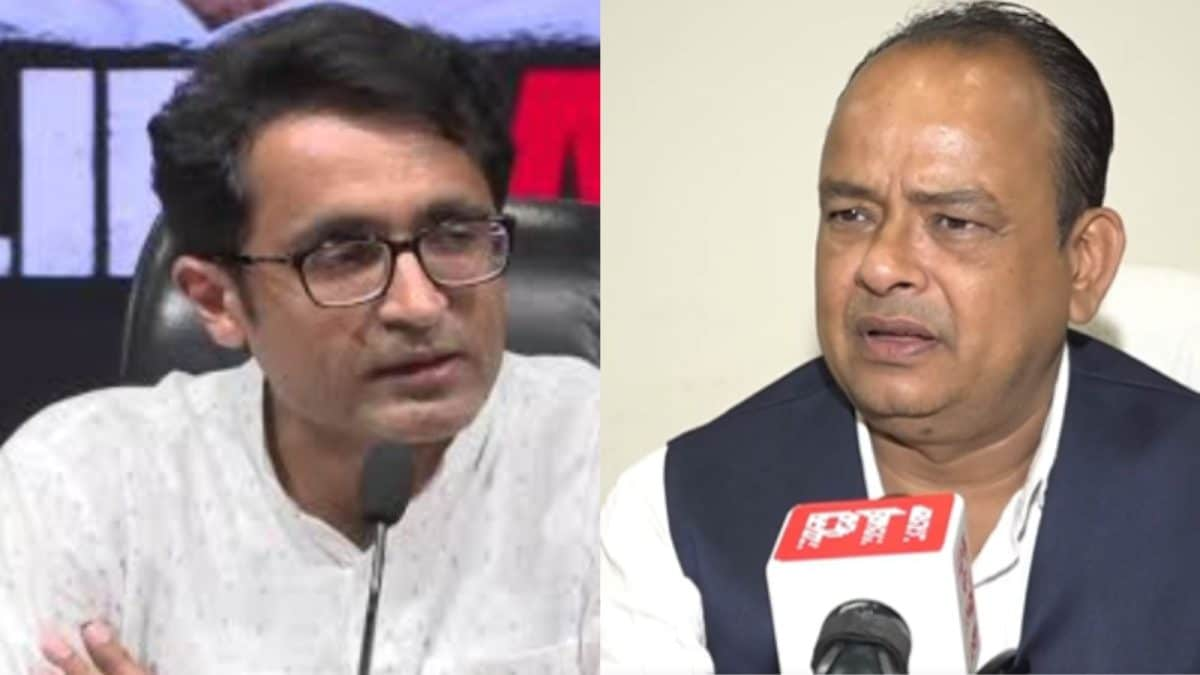
The controversy emerged when a video surfaced featuring Congress leader Irfan Ansari addressing the political and economic climate of the country. In the recording, Ansari suggested that various segments of society, including farmers, the middle class, Dalits, Adivasis, and Muslims, are currently grappling with severe systemic difficulties. He argued that the nation is on the verge of collapse, specifically referencing the frustration of the youth. Ansari notably claimed that if four million young people were to take to the streets, no security force or army would be capable of containing the movement.
Root Cause & Deep Dive Analysis (Why Did This Happen?)
The underlying catalyst for this heightened rhetoric is the mounting friction between the INDIA bloc and the Election Commission. The opposition has been vocal about its lack of confidence in the current voter registration processes, particularly the Special Intensive Revision (SIR). While the Election Commission maintains that this exercise is purely administrative and aimed at removing duplicate entries, opposition leaders like Ansari allege that it involves the systemic deletion of millions of voters, which they view as a move to marginalize specific communities. This deep distrust in democratic institutions, combined with broader economic anxieties, has created a volatile environment where incendiary language serves as a political tool for mobilization.
For those tracking the broader climate of public discourse, it is worth noting the current political polarization that defines modern governance. When leaders invoke comparisons to geopolitical instability in neighboring countries, they are effectively using fear-based tactics to galvanize their base, signaling that the democratic process is failing to address the fundamental needs of the electorate.
Strategic Implications & Future Impact (What Does This Mean Globally?)
The term Open Call For Anarchy carries heavy weight in a country as large as India. By questioning the legitimacy of the Election Commission and predicting a breakdown of order, the opposition is testing the resilience of Indian constitutional bodies. Globally, analysts are watching closely. If political actors continue to frame their grievances as existential threats to the nation, it may impact investor confidence and the perception of democratic stability. Furthermore, as seen in previous high-stakes electoral cycles, the erosion of institutional trust often leads to a cycle of protests and counter-protests that can paralyze policy-making for extended periods.
Conclusion & What to Watch Next
As the standoff continues, the next few weeks will be critical. The BJP is clearly using this moment to consolidate its stance against the Congress, framing the opposition as a threat to national security and stability. Conversely, the INDIA bloc shows no sign of backing down, continuing to demand transparency from the election authorities. Stakeholders should monitor upcoming parliamentary sessions and any legal challenges that may arise from the voter roll disputes. The stability of India’s electoral framework, often cited as the backbone of its democracy, remains the primary focal point of this ongoing saga.