
Israel kept committing genocide after Gaza truce, UN inquiry says
Introduction and Key Takeaways
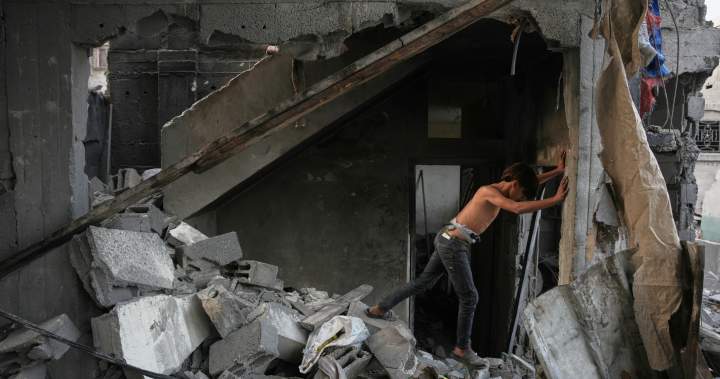
The latest report from the United Nations Independent International Commission of Inquiry has sparked a firestorm in global diplomatic circles. The findings, which suggest that the Israeli military continued to engage in genocidal acts within Gaza even after the implementation of a US-brokered ceasefire, present a harrowing look at the humanitarian crisis. As the international community grapples with these allegations, it becomes clear that the path toward peace remains fraught with profound legal and ethical challenges. This report, focusing on the ongoing Gaza genocide claims, highlights the complexities of modern asymmetric warfare and the failure of diplomatic demarcations to protect non-combatants.
- The UN commission claims Israeli forces maintained a campaign of destruction against Palestinians in Gaza beyond the ceasefire window.
- The situation in the West Bank is reported to have deteriorated significantly, with a sharp increase in fatalities from airstrikes since 2023.
- Israel has vehemently rejected the findings, characterizing the document as a biased attempt to undermine its national sovereignty and security.
- The report also holds the Palestinian Authority accountable for suppressing internal dissent and violating the rights of its own citizens.
Background and Context: What Just Happened?
The conflict, which intensified following the October 7, 2023, attacks led by Hamas, has reshaped the geopolitical landscape of the Middle East. With death tolls now surpassing 74,000, the intensity of the assault has drawn scrutiny from global bodies. For further insight into the political environment surrounding these events, readers may consider the current state of security and democratic discourse in the region. The UN commission conducted a comprehensive review of military actions through September 2026, finding evidence of what they term a systematic effort to displace and destroy populations.
Root Cause and Deep Dive Analysis
Why is this happening now? The core issue rests on the interpretation of military necessity versus international humanitarian law. The UN report identifies the so-called Yellow Line as a critical point of friction. Initially presented as a temporary ceasefire boundary, this line has effectively expanded Israeli territorial reach, morphing into a de facto border. Military experts observe that the reliance on heavy munitions in dense urban environments inevitably leads to high collateral damage, regardless of stated strategic goals. Furthermore, the escalation in the West Bank, where airstrikes have become more frequent, suggests a broader tactical shift in the state’s approach to territorial control. To understand how these power dynamics fluctuate, it is useful to look at the foundational principles of global legal frameworks.
Strategic Implications and Future Impact
The geopolitical fallout from this report is significant. By accusing the state of a Gaza genocide, the commission has placed pressure on international partners to justify their continued support or silence. For the Israeli government, this serves as another hurdle in the lead-up to critical electoral cycles where leaders like Benjamin Netanyahu face immense scrutiny over their long-term legacy. Strategically, this places the Middle East at a crossroads, where the rhetoric of self-defense is increasingly clashing with the findings of international human rights monitors. If the definition of Gaza genocide is formally adopted by more international bodies, it could trigger sweeping economic sanctions and diplomatic isolation, fundamentally altering Israel’s place on the world stage.
Conclusion and What to Watch Next
As we move forward, the narrative surrounding this conflict will likely intensify. The Israeli government remains defiant, viewing these inquiries as part of a misinformation campaign designed to erode its legitimacy. Observers should keep a close watch on the upcoming elections in the region and the potential for a shift in foreign policy from major world powers. The ability of the international community to move beyond accusatory reports and toward a sustainable ceasefire framework remains the ultimate test of global governance.