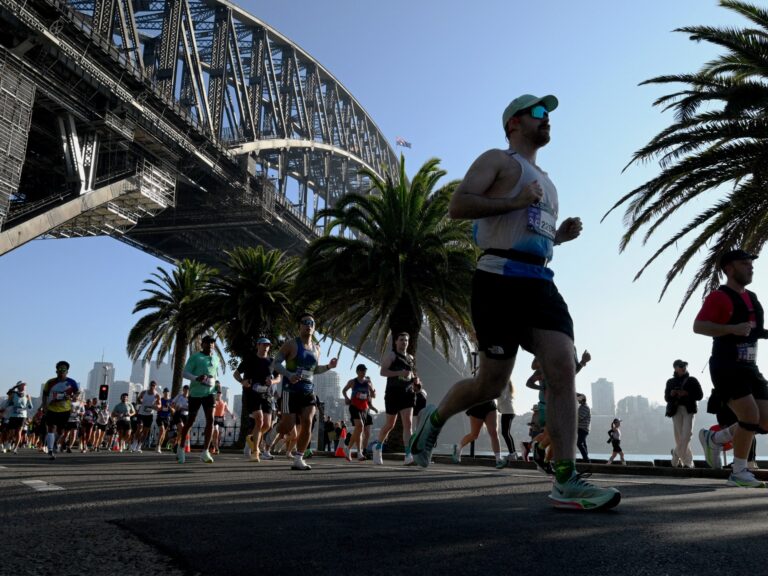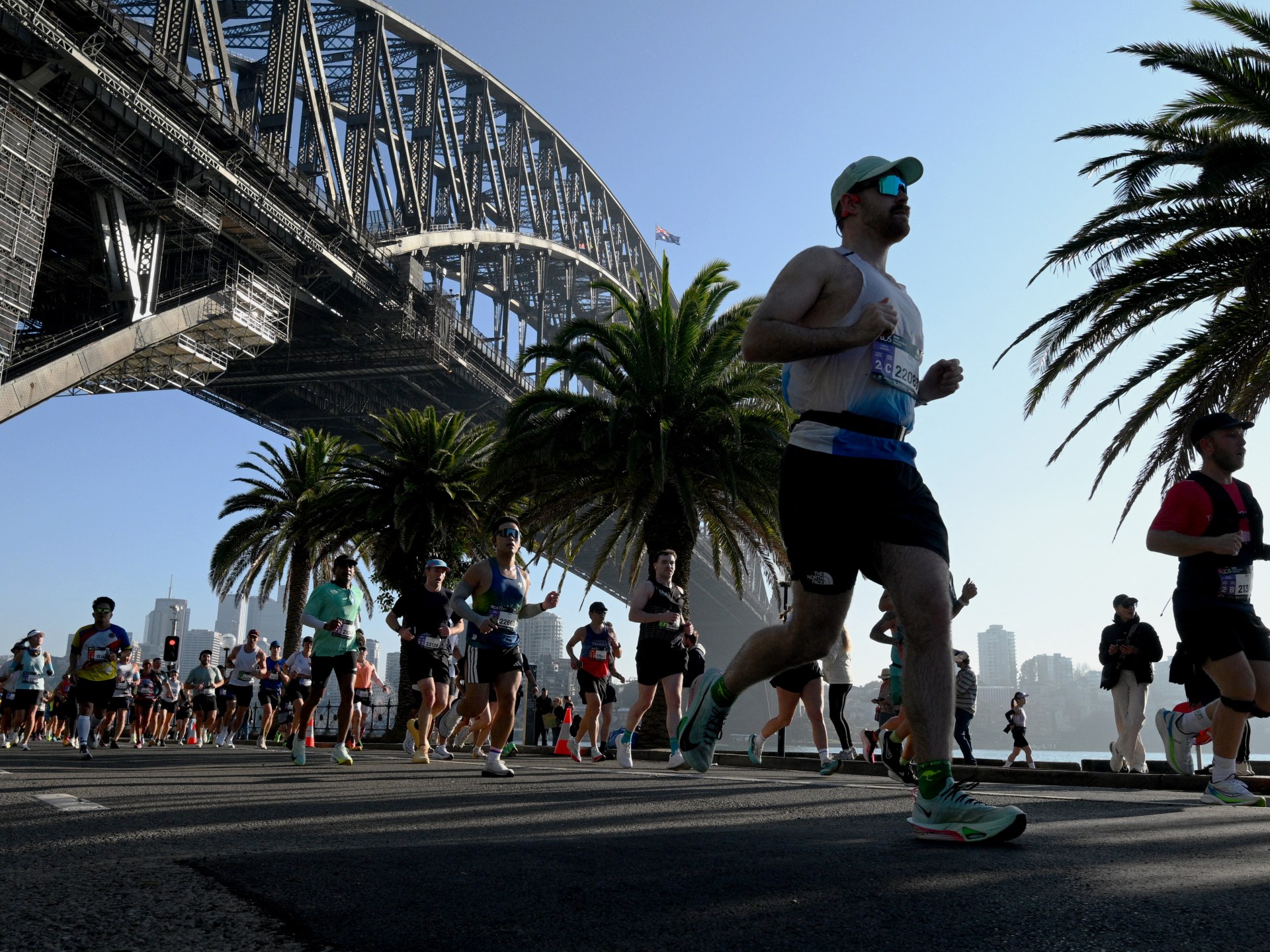
A wave of fervent demonstrations swept across Sydney as the annual marathon unfolded, highlighting a deep chasm of geopolitical tension. Hundreds of impassioned activists gathered along the iconic race course, transforming a celebration of athleticism into a powerful platform for dissent against the participation of Israeli soldiers. These significant Sydney Marathon Protests underscored global concerns, particularly regarding Australia’s decision to grant visas to individuals allegedly linked to severe human rights violations in Gaza.
The controversy, simmering for weeks leading up to the August 30, 2026 event, reached a boiling point on race day. Pro-Palestine advocates voiced their outrage, directly challenging the Australian government to account for the presence of 40 Israeli soldiers within the country. This profound display of activism wasn’t merely a roadside spectacle; it was a potent rejection of what many perceived as an endorsement of alleged war crimes, fundamentally questioning the intersection of sport, politics, and international justice.
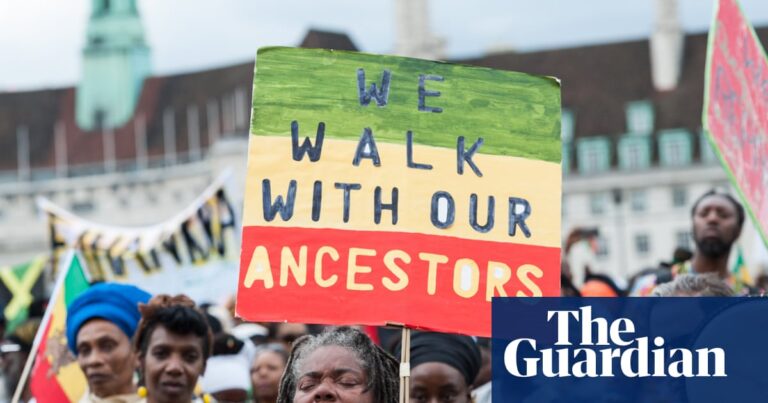
Demonstrators, clad in keffiyehs and adorned with watermelon symbols – a poignant emblem of Palestinian identity and resistance – lined the streets. They waved Palestinian flags vigorously, their presence a stark contrast to the festive atmosphere typically associated with such a large-scale sporting event. Posters emblazoned with urgent messages demanded the exclusion of ‘war criminals’ and called for Australia to ‘cut ties with apartheid Israel’. Eyewitness accounts and journalistic verification confirmed the participation and completion of the race by at least one Israeli soldier, intensifying the focus on the delegation’s controversial presence.
The Heart of the Sydney Marathon Protests: Soldiers and Allegations
At the core of the widespread indignation were serious allegations leveled against the specific military units represented in the Israeli marathon delegation. The contingent included members from the Israeli army’s Golani Brigade and its signal intelligence Unit 8200. The Golani Brigade, in particular, has garnered international scrutiny. A member of the United Nations Commission of Inquiry, which notably concluded that Israel was plausibly committing genocide in Gaza, explicitly described Golani as one of the “most criminally accused brigades” within the Israeli military. These are not minor accusations; they point to a systematic pattern of behavior that has drawn condemnation from international bodies and human rights organizations worldwide.
One individual identified within the marathon delegation, Roy Oryon, served as a deputy company commander in Golani’s 13th Battalion. This battalion was reportedly active in Gaza and played a significant role in Israel’s advance into southern Lebanon. Disturbingly, Golani troops have also been implicated in the ambush of 15 paramedics and rescue workers in Gaza during the preceding year. Such grave accusations naturally fuel the intensity of the Sydney Marathon Protests, transforming them from general political demonstrations into specific calls for accountability for alleged individual actions.
Australia’s Stance and Legal Obligations Under Scrutiny
The Australian Department of Home Affairs’ decision to grant visas to these soldiers has been met with widespread condemnation and a chorus of questions. Activists launched online campaigns, urging both race organizers and state officials to initiate investigations and, if warranted, prosecute the participating soldiers. The Boycott, Divestment, Sanctions (BDS) movement, an international campaign working to end global support for Israel’s occupation of Palestinian territories, issued a powerful statement asserting that “Australian authorities have a legal obligation to act.” They emphasized that “Every state is obliged to investigate and prosecute those suspected of committing genocide,” directly referencing international law and Australia’s commitments under it. For more details on the movement, readers can visit the official BDS website.
Al Jazeera sought clarification from the Department of Home Affairs regarding whether these individuals underwent enhanced security or character checks. Ministerial Direction 110 of Australia’s Migration Act allows for visa denial to individuals associated with groups reasonably suspected of involvement in genocide, war crimes, or crimes against humanity. A spokesperson for the Department, however, cited “privacy reasons” for their inability to comment on individual cases, stating that all non-citizens must satisfy identity, health, character, and security requirements under Australian migration legislation. This boilerplate response, while legally convenient, did little to mollify the enraged protesters and advocacy groups who demanded transparency and decisive action.
The arrival of the Israeli soldiers in Australia coincided with a particularly sensitive period. Just days prior, Israel’s military had explicitly refused to initiate a criminal investigation into the tragic killing of Australian aid worker Zomi Frankcom. Ms. Frankcom, 43, and six of her colleagues from the World Central Kitchen convoy were killed in Gaza in April 2024 by three drone strikes. This incident deeply angered Australia, sparking calls for justice and accountability. The Australia Palestine Advocacy Network (APAN) had vociferously called for “urgent scrutiny” of the Israeli participants in the marathon, pointing out the glaring inconsistency. The public outcry over this event was significant, as detailed in our earlier report: Australia ‘outraged’ after Israeli decision not to prosecute over killing of aid worker in Gaza.
APAN condemned Israel-linked organizations in Australia for “sponsoring the arrival of up to 40 current and former Israeli soldiers, reportedly including members of the Golani Brigade, linked to the killing of humanitarian workers in Rafah, to run the Sydney Marathon in some Orwellian exercise in cultural exchange.” The phrase ‘Orwellian exercise’ powerfully encapsulated the sentiment of many who felt that the sporting event was being used to whitewash serious allegations. The presence of these soldiers also brings into focus broader discussions around the ethics of international sporting events and the geopolitical considerations that often intertwine with them. The question of accountability for alleged war crimes is not just a legal one, but a moral imperative that continues to resonate globally. For context on international scrutiny of such matters, further reading on the UN Commission of Inquiry’s findings can be invaluable.
Ultimately, the Sydney Marathon Protests serve as a stark reminder that in an increasingly interconnected world, even athletic events can become crucibles for political expression and moral debate. As long as allegations of grave international crimes persist, public pressure on governments to uphold their legal and ethical responsibilities will undoubtedly continue to mount, regardless of the venue.
About the Author