
Kenya confirms eighth Ebola case amid widening regional outbreak
Introduction & Key Takeaways
The escalation of the Ebola outbreak in Kenya, now reaching eight confirmed cases, represents a significant public health challenge that extends beyond national borders. The current crisis highlights the fragility of regional health security, particularly when dealing with the highly aggressive Bundibugyo strain. As health authorities scramble to trace contacts and isolate potential carriers, the geopolitical and economic implications for East Africa grow increasingly severe. Key takeaways include:
- Kenya has confirmed its eighth case of the virus, a patient who had direct contact with the initial index case.
- The virus is identified as the Bundibugyo strain, for which no universal vaccine currently exists.
- The outbreak is heavily linked to the uncontrolled spread in the Democratic Republic of the Congo (DRC), which has reported over 9,400 cases.
- Regional governments are implementing travel restrictions and public gathering bans to mitigate transmission risks.
Background & Context
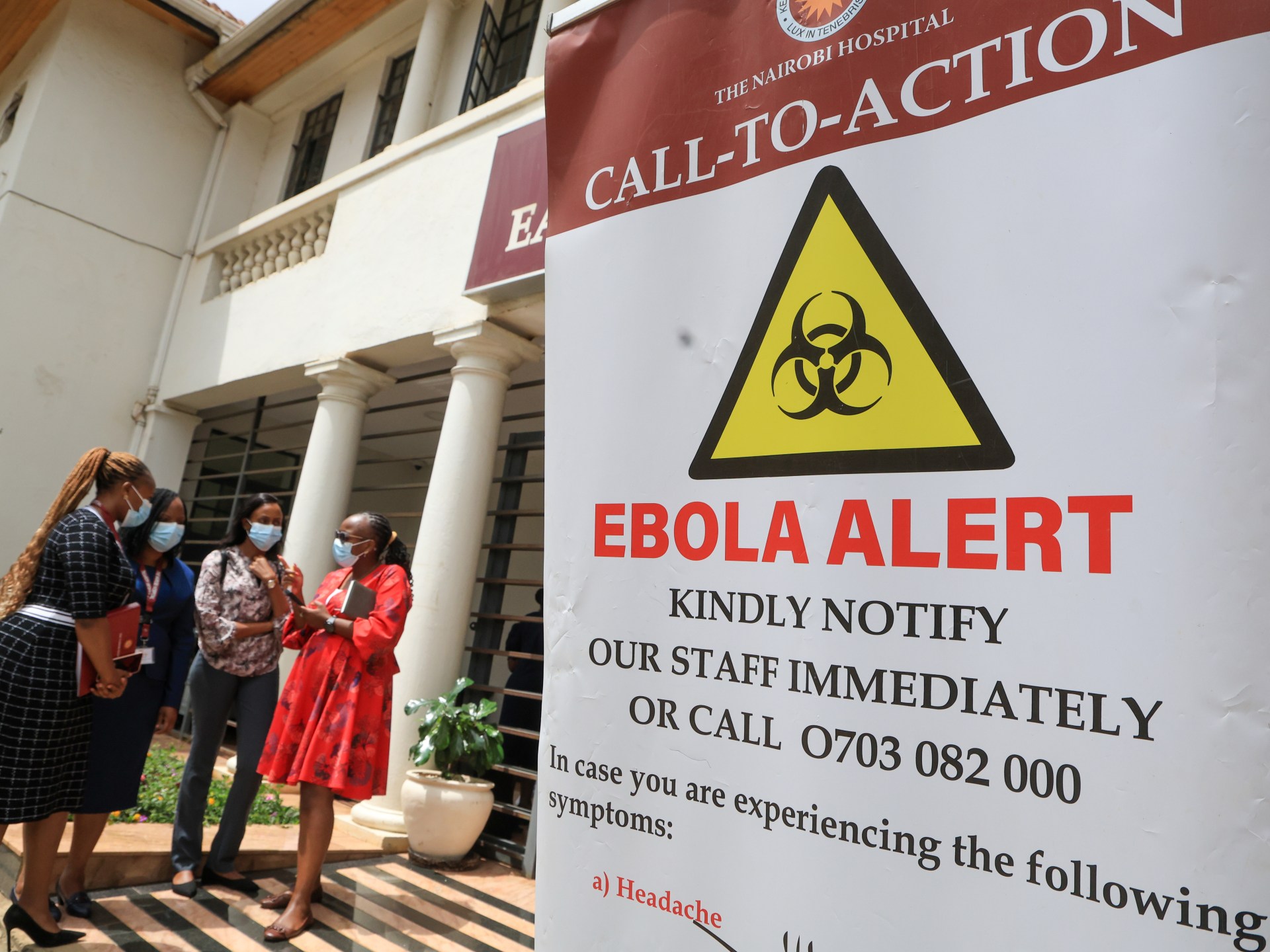
What just happened in Nairobi reflects a broader trend of cross-border health threats. The index case, a traveler arriving from the DRC, died in a Nairobi hospital on October 5, 2026. Since then, the Ministry of Health has worked tirelessly to contain the spread among healthcare workers and support staff who treated the original patient. This sequence of events echoes previous instances where public health crises have tested national infrastructure, much like how societal instability can overwhelm governance during unexpected shocks. The current situation in Kenya is not an isolated event, but rather a direct result of sustained, high-level transmission in eastern DRC provinces, specifically Ituri and now North Ubangi.
Root Cause & Deep Dive Analysis
Why did this happen? The primary driver of this Ebola outbreak is the high mobility of populations between the DRC and its neighbors. The Bundibugyo strain, while historically less frequent than the Zaire strain, possesses a lethality that demands rigorous infection control. The fact that the latest patient was a support staff member, tasked with cleaning linens and utensils, underscores the danger of nosocomial transmission (hospital-acquired infection). In high-stress environments, even minor lapses in standard operating procedures can lead to clusters of secondary infections. The lack of an available vaccine complicates the response, forcing health officials to rely exclusively on contact tracing, quarantine measures, and community education to break the chain of infection.
Strategic Implications & Future Impact
The strategic implications are twofold. First, the Ebola outbreak exerts immense pressure on the healthcare budgets of East African nations. The cost of quarantine facilities, diagnostic testing, and the potential for a slowdown in regional commerce is substantial. Second, there is a clear geopolitical dimension as nations like Uganda and Kenya attempt to maintain open borders for trade while simultaneously enforcing sanitary cordons. For more on how regional instability can impact public safety, see analysis on maintaining order during crises. Internationally, the WHO and other health agencies are closely monitoring the situation to prevent the local tragedy from evolving into a continental epidemic that could disrupt supply chains or global travel patterns.
Conclusion & What to Watch Next
The situation remains fluid. Health authorities are actively monitoring the 38 individuals recently tested, and it is highly probable that additional cases may emerge as the incubation period passes for primary contacts. The world must look toward the DRC, where the intensity of the disease remains at its peak. Moving forward, the focus must remain on strengthening port health services, ensuring the protection of medical front-line workers, and maintaining regional transparency regarding infection rates. To learn more about the complexities of this disease, one can reference the global health perspectives on viral hemorrhagic fevers. Vigilance, rapid detection, and international cooperation are the only tools capable of stemming the tide of this outbreak before it overwhelms the region.