
Kerala Judge Says He Was Asleep When Minor Son Took Car In Kochi Crash That Killed Vendor
Introduction & Key Takeaways
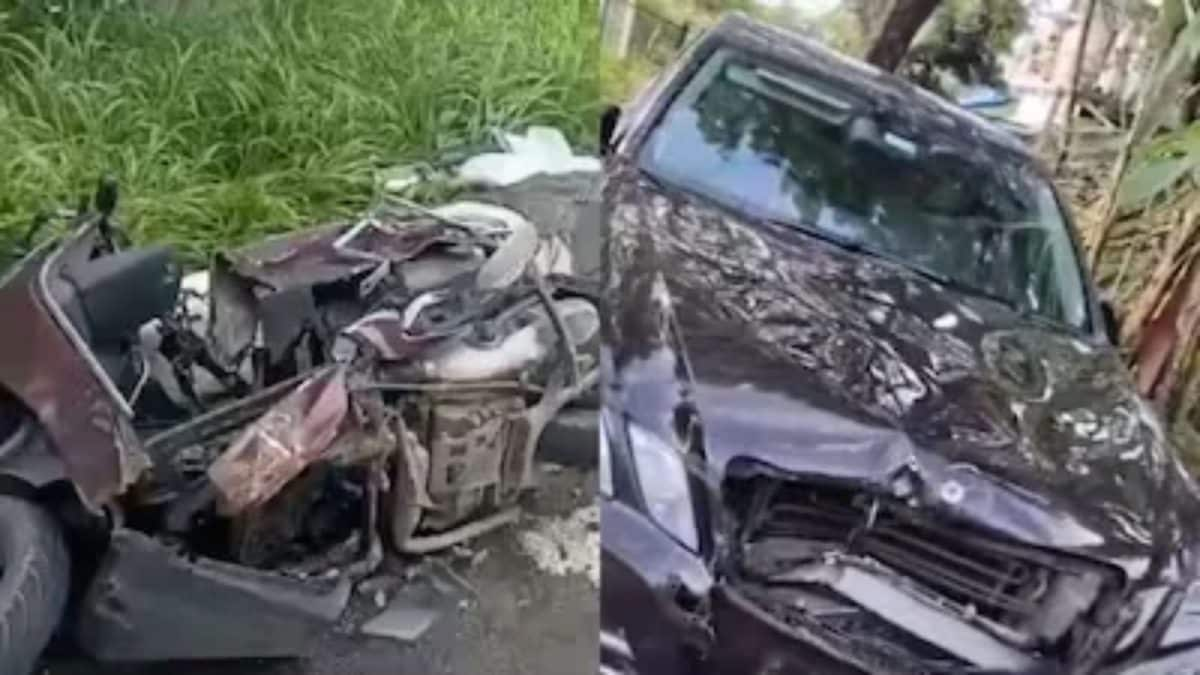
A recent and tragic traffic incident in Kochi has sparked intense public debate regarding legal accountability and judicial responsibility. An additional district judge has found himself at the center of a legal storm after his 17-year-old son allegedly drove a luxury vehicle, a Mercedes-Benz, into a scooter, resulting in the death of a local street food vendor. The situation, now involving a high-profile Kochi crash, has raised fundamental questions about the enforcement of motor vehicle laws and the potential for parental liability in instances of juvenile negligence. As the legal proceedings unfold, the case has prompted scrutiny of both the judicial system and the police department.
- The presiding judge argues he was asleep during the unauthorized use of his vehicle.
- The Kerala High Court has granted the judge protection from arrest after a four-hour interrogation.
- Government authorities have taken administrative action against local police officers for investigation lapses.
- Legal experts continue to debate the strict liability provisions under Section 199A of the Motor Vehicles Act.
Background & Context
The incident occurred in the early hours of October 25 in the Chittoor area of Kochi. According to police reports, the minor involved in the Kochi crash was driving alone when he collided with a street food vendor named Jayabalakrishnan. The tragic loss of life triggered immediate public outcry, leading to intense pressure on law enforcement to conduct a transparent investigation. While the teenager was initially granted bail by the Juvenile Justice Board, the broader implications of the case have expanded to include the vehicle owner, who happens to be an additional district judge. For more background on how judicial systems manage high-stakes transparency, one might consider reviewing reports on procedural integrity in fatal accidents.
Root Cause & Deep Dive Analysis
The central legal tension revolves around Section 199A of the Motor Vehicles Act. This provision is designed to hold vehicle owners or guardians accountable when a minor operates a vehicle and commits an offense. The law operates on the presumption of consent, shifting the burden of proof onto the owner to demonstrate that the vehicle was taken without their knowledge or permission. The judge, in his anticipatory bail plea, has maintained that he was entirely unaware of his son’s actions and was asleep at the time. Justice Kauser Edappagath, in granting protection, noted that the judge had already undergone a four-hour interrogation and pledged full cooperation. This intervention highlights the delicate balance courts must maintain when investigating their own members to ensure both accountability and the rule of law.
Strategic Implications & Future Impact
The fallout from this incident has extended well beyond the courtroom. The Kerala government, acknowledging significant lapses in the initial police response, has suspended four officers from the local police station. Furthermore, the removal of the Kochi city police commissioner, Kaliraj Mahesh Kumar, signifies the administration’s attempt to mitigate public distrust and demonstrate a zero-tolerance policy toward procedural failures. This case serves as a broader reminder to all citizens, particularly those in positions of authority, regarding the importance of vehicle security and the strict enforcement of underage driving laws. As global organizations emphasize, road safety remains a critical public health issue that requires consistent adherence to regulations across all levels of society.
Conclusion & What to Watch Next
The situation remains fluid as a special court in Ernakulam prepares to hear arguments regarding the potential cancellation of the teenager’s bail. Observers are also waiting to see whether further evidence emerges that could challenge the judge’s claim of ignorance regarding the Kochi crash. The case has become a litmus test for the independence and impartiality of the judicial process in Kerala. Future developments will likely focus on whether the legislative intent behind Section 199A is robust enough to navigate such complex, high-profile conflicts of interest, or if the legal system requires further refinement to ensure absolute equality before the law.