
‘No One Wants To Sit On A Sinking Ship’: BJP Mocks NC As Ruhullah’s Exit Sparks Political Storm
Introduction & Key Takeaways
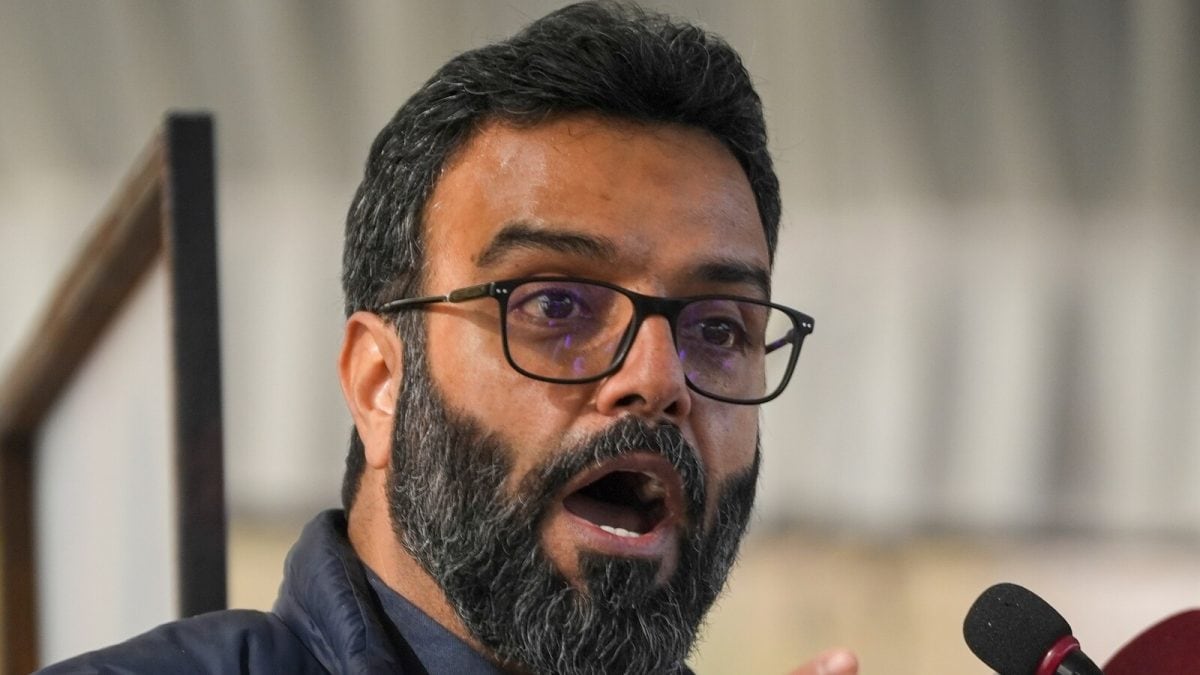
The political landscape of Jammu and Kashmir witnessed a seismic shift this week as Srinagar MP Syed Aga Ruhullah Mehdi officially resigned from the National Conference (NC). This move, coming at a critical juncture for regional governance, has ignited a firestorm of speculation and partisan maneuvering. The resignation of a prominent Shia leader and a vocal advocate for his constituency creates an immediate void in the party hierarchy, complicating the upcoming Panchayat and Urban Local Body elections. As stakeholders assess the damage, the departure is being framed not merely as an isolated incident, but as a potential catalyst for a broader restructuring of the regional opposition.
- The departure of a high profile MP signals deep dissatisfaction within the party ranks.
- Opposition parties, particularly the BJP, are leveraging the exit to frame the National Conference as a failing entity.
- The resignation forces a critical evaluation of the party’s stance on central promises, such as the restoration of Article 370.
- Political realignments in the Shia-dominated regions could significantly alter local electoral outcomes.
Background & Context (What Just Happened?)
Syed Aga Ruhullah Mehdi’s decision to step down from the National Conference follows months of growing internal friction. Known for his principled, albeit often confrontational, stance on policy matters, his exit represents a major loss for the Omar Abdullah-led party. The National Conference, which once stood as a monolithic force in Kashmiri politics, is now visibly straining under the weight of internal dissent. Critics argue that the party leadership has grown increasingly detached from the concerns of its grassroots workers and elected representatives. This political tension is further exacerbated by the timing of the resignation, which leaves the NC vulnerable just as it seeks to maintain its influence in future electoral cycles.
Root Cause & Deep Dive Analysis (Why Did This Happen?)
The primary driver behind this departure appears to be a profound disagreement over strategic priorities. Aga Ruhullah was frequently the singular voice questioning the party’s perceived passivity regarding the restoration of Article 370 and the status of political prisoners. Observers have noted that while the National Conference sought to navigate a delicate balance between local sentiment and national political realities, this approach alienated leaders who favored a more aggressive, uncompromising stance. The BJP has naturally capitalized on this, using the narrative of a sinking ship to encourage further defections. Meanwhile, anonymous reports from within the NC suggest that a small, insulated coterie of decision-makers has effectively silenced the voices of experienced legislators, leading to a breakdown in internal communication.
Strategic Implications & Future Impact (What Does This Mean Globally?)
The implications of this exit are far-reaching. By losing a key Shia representative, the National Conference risks alienating a critical demographic in the Kashmir Valley. Should Ruhullah decide to form a new political front or align with other parties, the traditional binary of Kashmiri politics—often dominated by the NC and PDP—could be permanently disrupted. Furthermore, the Congress party’s cautious response suggests they are monitoring the situation closely, waiting to see if they can absorb the influence of the departing leader without damaging their existing bloc alliances. If this internal volatility persists, the region may witness a significant shift in legislative control, allowing smaller parties or independents to capture disillusioned voters who feel ignored by the established giants.
Conclusion & What to Watch Next
The resignation of Aga Ruhullah is a stark reminder that political legitimacy requires more than just electoral mandates; it demands constant engagement with the core values that mobilized the electorate. Whether the National Conference can stabilize its foundation or if this is merely the first in a series of high-level exits remains to be seen. As the region gears up for upcoming local elections, the focus must remain on whether the party can bridge the widening gap between its leadership and its core support base. Observers should keep a close watch on any potential formation of a new political platform by the departing MP, as such a move would undeniably transform the local power dynamic, likely leading to further instability in the short term.