
Meta employees say Lula’s accounts restricted in Brazil election: Report
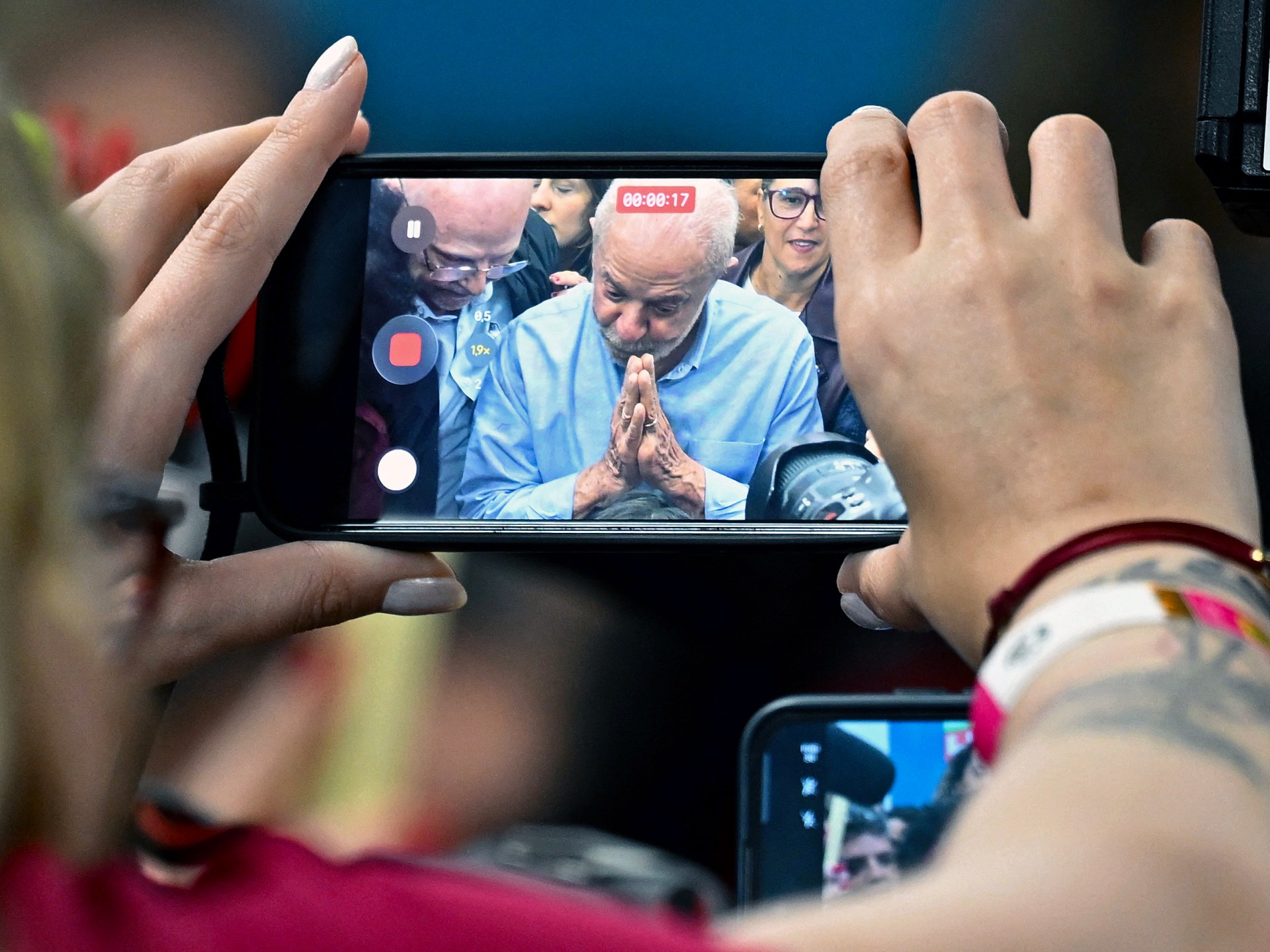
Introduction & Key Takeaways
The integrity of digital democratic processes is under intense scrutiny as Meta faces serious allegations of algorithmic bias during the high stakes Brazilian presidential election. Internal communications recently surfaced, suggesting that Meta employees acknowledged restrictions impacting the reach of President Luiz Inacio Lula da Silva on Instagram, while simultaneously promoting the profile and WhatsApp channels of his challenger, Senator Flavio Bolsonaro. As the nation approaches a critical runoff on October 25, these revelations have ignited a firestorm regarding the role of Big Tech in shaping political discourse and electoral outcomes.
- Internal Meta communications appear to confirm disparities in content visibility between the two presidential candidates.
- A Brazilian electoral court has ordered Meta to ensure equal treatment of candidates, imposing heavy daily fines for non compliance.
- The company maintains that these issues were purely technical rather than political, rejecting claims of deliberate interference.
Background & Context
What just happened involves a collision between Brazilian electoral law and the opaque algorithms of global social media platforms. President Lula da Silva, a left wing incumbent seeking to secure his position, filed a formal complaint with the country’s top electoral court. The complaint alleged that Meta intentionally disadvantaged his campaign while providing preferential treatment to the opposition candidate. This dispute reached a boiling point when the Brazilian daily, Folha de S Paulo, reported on leaked internal messages where Meta employees discussed technical limitations that disproportionately hampered the visibility and engagement of the president’s content.
Root Cause & Deep Dive Analysis
The core of the controversy lies in how social media giants manage algorithmic bias and content moderation during volatile periods. Modern platforms rely on complex machine learning models to maximize user engagement. When these models prioritize specific types of content, they inadvertently tilt the playing field. In this instance, the absence of share buttons and the reduction of reach on official presidential posts led to suspicions of structural bias. While Meta asserts these errors were technical, critics argue that the differential treatment, specifically the algorithmic recommendation of a challenger’s profile, points to a deeper systemic issue. The oversight of digital spaces during protests and political campaigns remains a contentious issue that demands greater transparency from private corporations holding significant influence over public opinion.
Strategic Implications & Future Impact
The implications of this situation are global. As nations across the world attempt to regulate the influence of AI and platform architecture on democracy, Brazil has set a formidable precedent. By mandating that Meta apply identical criteria to both candidacies and threatening a daily fine of 500,000 reais (nearly 100,000 dollars), the judiciary is signaling that platforms are no longer passive hosts. They are now considered active participants in the information ecosystem. This tension mirrors broader global anxieties, such as those seen in the evolving debate over content moderation laws. Future impacts may include stricter oversight mechanisms, mandatory third party audits of electoral algorithms, and a potential shift in how platforms deploy artificial intelligence in developing economies during election cycles.
Conclusion & What to Watch Next
As the clock ticks toward the October 25 runoff, all eyes are on Meta’s compliance with the court order. The primary concern is whether these technical glitches can truly be isolated from political intent. Citizens and regulators alike must monitor if the visibility metrics between the two candidates normalize in the final days of the campaign. The case serves as a stern reminder that as digital infrastructure becomes indistinguishable from democratic infrastructure, the transparency of the code running our elections is a matter of national security. Whether this leads to a permanent change in how Meta manages political discourse or remains a singular case of judicial intervention remains the central question for observers.