
Rahul Gandhi’s ‘Debate Dare’ To PM Modi Gets Nirmala Sitharaman’s ‘Parliament-Sized’ Reply
Introduction & Key Takeaways
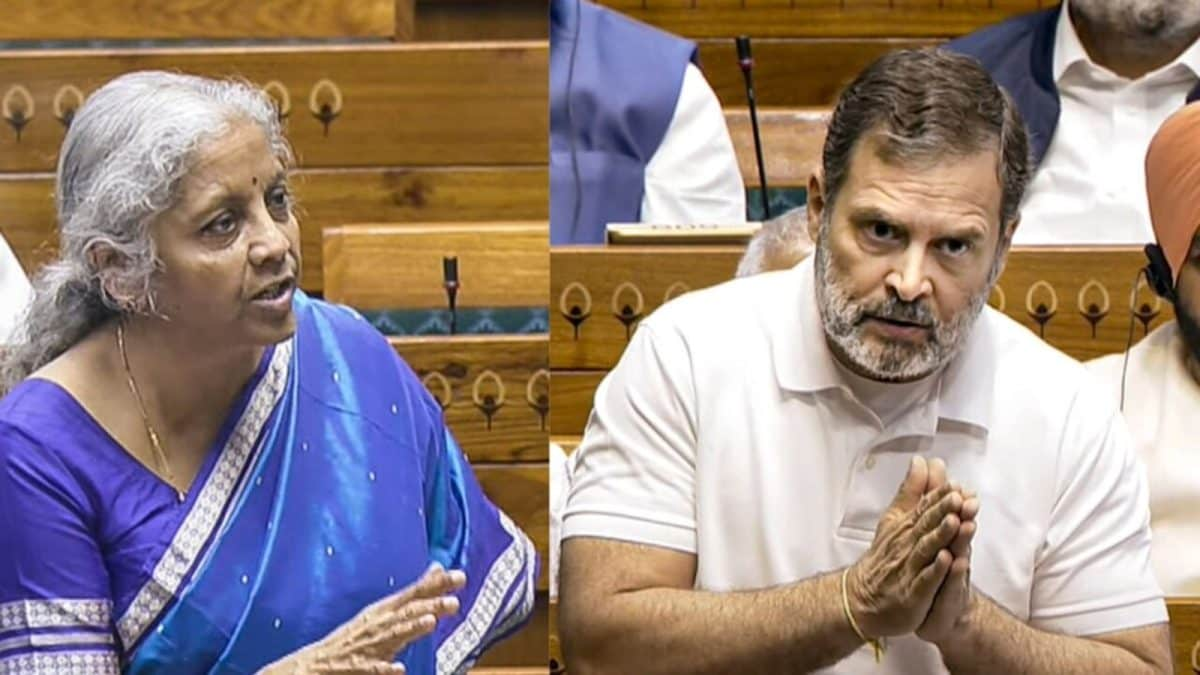
The landscape of Indian politics has witnessed a sharp escalation in hostilities as Leader of the Opposition Rahul Gandhi recently issued a bold, public challenge to Prime Minister Narendra Modi. This request for a live, open debate on key national issues highlights the widening chasm between the ruling government and the opposition. The move follows months of tense rhetoric surrounding economic policy, corporate governance, and electoral integrity. Union Finance Minister Nirmala Sitharaman quickly rejected the notion of an informal debate, framing the demand as mere theatrics and insisting that the floor of Parliament remains the sole legitimate venue for such discourse.
Key Takeaways:
- Rahul Gandhi has called for a direct verbal duel with PM Modi, claiming the government lacks the courage to face scrutiny.
- Nirmala Sitharaman dismissed the proposal, emphasizing that constitutional norms dictate Parliament as the proper forum.
- The conflict is rooted in broader accusations regarding the influence of external entities and alleged favoritism toward corporate conglomerates.
- The government accuses the opposition of favoring social media grandstanding over genuine legislative participation.
Background & Context
To understand the current friction, one must look at the recurring cycle of parliamentary disruptions that have defined recent sessions. Gandhi’s recent demand for a debate is not an isolated event, but rather part of a sustained strategy to pressure the Prime Minister on matters he claims are shielded from public view. The tension is compounded by historical grievances, including international policy questions and domestic economic management. While the opposition accuses the administration of dismantling institutional autonomy, the ruling party maintains that these charges are fabricated to garner political favor among disillusioned demographics.
Root Cause & Deep Dive Analysis
At the heart of the political debate dare lies a fundamental disagreement over where accountability resides. Rahul Gandhi argues that the Prime Minister’s perceived silence on major corporate affairs and external financial influence necessitates a platform outside the restricted environment of the legislature. He contends that an open, public, and live debate would expose the administration’s internal contradictions. Conversely, the government, through representatives like Nirmala Sitharaman, views this as a breach of democratic protocol. The Finance Minister’s retort is designed to paint the Congress party as unserious, citing frequent walkouts and their participation in informal settings like a mock parliament as evidence of a lack of commitment to democratic duty. This highlights a critical, systemic issue where the mechanisms of debate have effectively broken down.
Strategic Implications & Future Impact
The geopolitical and economic implications of this standoff are significant. Markets and international observers keep a close watch on Indian domestic stability as it influences investor confidence. The constant accusation of corporate targeting can create uncertainty in the business environment, which the government is desperate to minimize. Furthermore, as the nation approaches future cycles of governance, these rhetorical battles shape public perception. The parliamentary system, traditionally designed for consensus, is increasingly being used as an arena for purely adversarial confrontation. If the current trajectory continues, both sides risk alienating voters who are looking for substantive policy solutions rather than constant public spectacles.
Conclusion & What to Watch Next
Looking ahead, it is highly unlikely that a live, open debate between the Prime Minister and the Leader of the Opposition will materialize in the form Gandhi envisions. The government’s stance suggests a hardening of resolve to avoid any platform that grants the opposition equal footing outside of traditional parliamentary structures. Observers should watch for upcoming parliamentary sessions to see if there is any movement toward a compromise, or if the electoral reform debates mentioned by Home Minister Amit Shah provide a path forward for genuine engagement. The battle for the public narrative will surely intensify as political parties jockey for position in the lead up to next season’s legislative agenda.