
‘Not Just Impeached, You’ll Be Jailed’: Neha Bora Warns CEC Gyanesh Kumar At INDIA Bloc Event
Introduction & Key Takeaways
The political landscape in New Delhi has reached a boiling point as the opposition INDIA bloc intensifies its pressure on the electoral administration. During a high-profile mock impeachment event held at the residence of Congress President Mallikarjun Kharge, the central focus remained on Chief Election Commissioner Gyanesh Kumar. The session featured fiery rhetoric from student leaders and senior politicians alike, signaling a dangerous breakdown in the dialogue between the governing establishment and its detractors.
- All India Students Association (AISA) president Neha Bora accused the Chief Election Commissioner of systemic manipulation.
- The opposition alliance is demanding the immediate resignation of the poll chief and the suspension of the Special Intensive Revision (SIR) process.
- Allegations focus on the modification of Form-6 and the use of algorithmic tools to target specific voter demographics.
- A nationwide escalation, including a ‘Delhi Chalo’ protest march, is scheduled to follow these symbolic proceedings.
Background & Context (What Just Happened?)
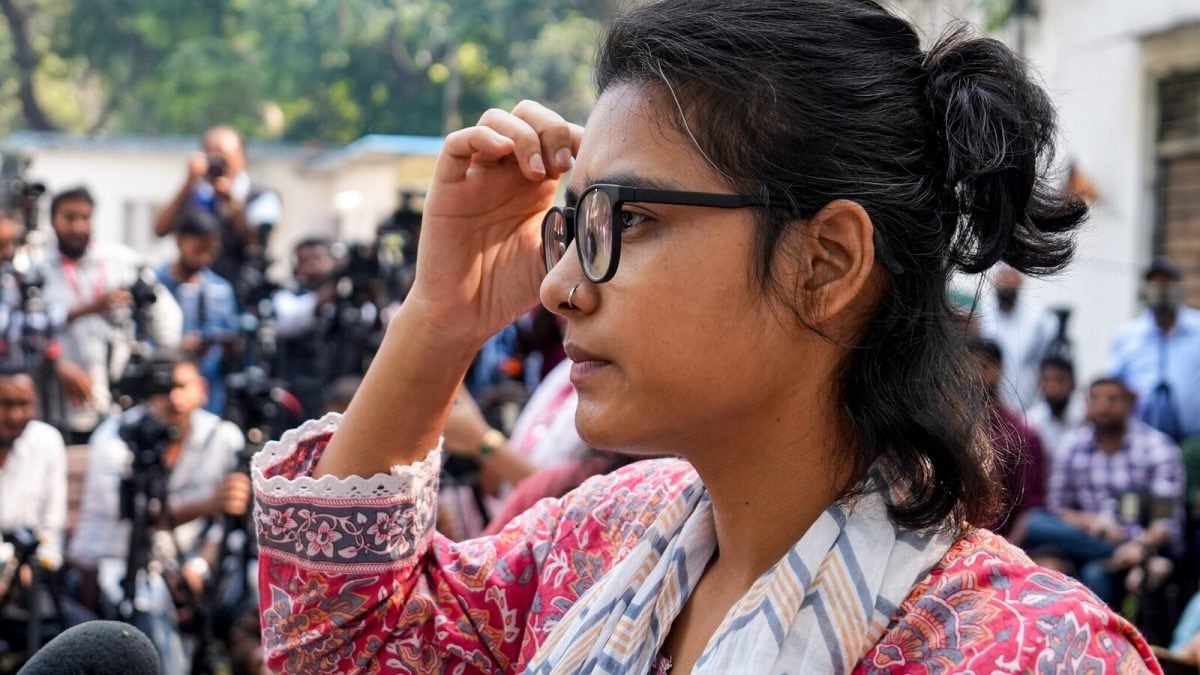
The public impeachment proceedings were convened to address growing concerns regarding the integrity of Indian electoral processes. The event served as a stage for the opposition, represented by 21 political parties, to air grievances that they claim were systematically ignored in official channels. Former Lok Sabha Speaker Meira Kumar presided over the meeting, providing a sense of legislative gravity to an otherwise unconventional event. Neha Bora, representing the youth wing of the opposition movement, delivered a sharp warning, stating that those who compromise constitutional duties will eventually be held accountable through the formal judiciary.
Root Cause & Deep Dive Analysis (Why Did This Happen?)
The tension stems from allegations that the Election Commission has drifted from its neutral mandate. Critics claim that the recent updates to Form-6 are designed to create barriers for new voters, effectively suppressing participation from younger demographics. Furthermore, the opposition asserts that the Special Intensive Revision (SIR) exercise is being utilized to perform a digital purge of electoral rolls. By deploying sophisticated data algorithms, critics argue, the authorities can selectively prune voter lists in regions where the opposition historically maintains strongholds. This debate highlights the fundamental tension in a democracy where the perceived impartiality of the electoral referee is as vital as the vote itself. The reliance on administrative software has become a flashpoint for accusations of technological gerrymandering, where technical changes are interpreted as political maneuvering.
Strategic Implications & Future Impact (What Does This Mean Globally?)
The aggressive stance taken by the INDIA bloc toward Gyanesh Kumar marks a shift in opposition strategy. Moving beyond parliamentary debate, they are now engaging in direct street mobilization and symbolic public trials to capture the public imagination. Globally, this reflects a growing trend where institutional trust is being tested, and opposition groups are using international platforms to highlight perceived democratic backsliding. If the opposition successfully rallies the youth vote through these protests, it could create significant legislative gridlock, forcing the ruling party to reconsider its electoral software policies. However, the risk remains that such confrontational tactics may polarize the electorate further, complicating future attempts at policy-based consensus.
Conclusion & What to Watch Next
As the INDIA bloc prepares for its nationwide ‘Delhi Chalo’ protest, all eyes are on the government’s response to these escalating demands. The political future of Gyanesh Kumar and the legitimacy of the upcoming electoral revisions hang in the balance. Observers should watch for shifts in the government’s rhetoric regarding voter registration protocols, as well as the police and judicial response to the upcoming demonstrations at Ramlila Maidan. Will the government offer a compromise to cool the unrest, or will it remain firm in its administrative stance? The coming weeks will determine whether this is merely political theater or a turning point for Indian democratic oversight.