
PM Modi Congratulates ‘Dear Friend’ Lula On Re-Election, Vows To Deepen India-Brazil Ties
Introduction & Key Takeaways
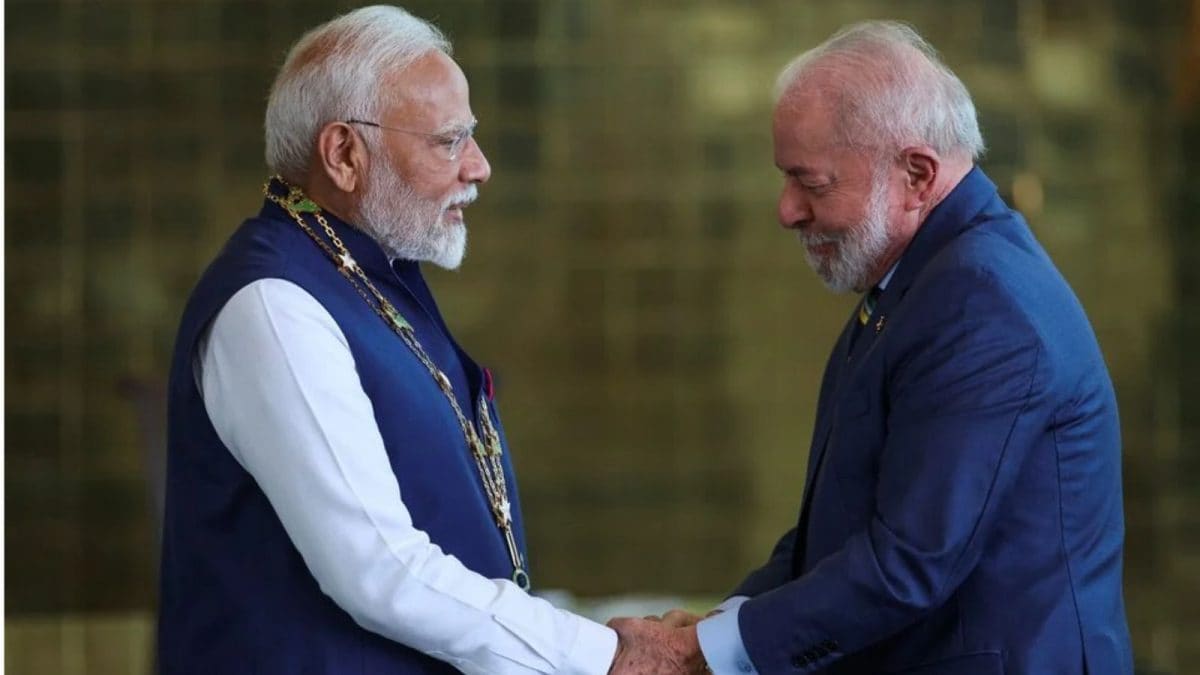
Prime Minister Narendra Modi has officially extended his congratulations to Brazilian President Luiz Inácio Lula da Silva following his decisive, and somewhat unexpected, re-election victory. This diplomatic outreach highlights the growing importance of the India-Brazil Strategic Partnership as both nations navigate a complex global landscape. By securing a fourth term, President Lula has solidified his position, setting the stage for continued cooperation between these two major emerging economies.
- President Lula defeated Senator Flavio Bolsonaro in a hard-fought presidential runoff, defying previous polling data.
- PM Modi has emphasized a commitment to expanding bilateral cooperation in energy, trade, and technology.
- The partnership between these nations is crucial for promoting the shared interests of the Global South within international forums.
- Economic challenges, including high interest rates and internal political opposition, remain key hurdles for the incoming administration.
Background & Context
The recent election in Brazil represents a significant political milestone. President Lula, a seasoned veteran of left-wing politics, managed to overcome a resilient challenge from Senator Flavio Bolsonaro, who aimed to preserve the legacy of his father, Jair Bolsonaro. This victory is noteworthy for its defiance of initial polling trends, suggesting a shifting electoral base that prioritized specific social and economic recovery goals. Historically, bilateral relations between New Delhi and Brasília have remained robust, rooted in shared developmental challenges and a mutual desire for greater representation in multilateral organizations.
Root Cause & Deep Dive Analysis
The success of the India-Brazil Strategic Partnership is no accident. Both countries have strategically aligned their foreign policy objectives to address common systemic issues, such as the need for reform in global financial architectures and climate change mitigation. However, Lula’s fourth term will not be without friction. He faces a deeply divided electorate and a conservative legislature that may impede his ambitious legislative agenda. Much like the political dynamics discussed in our report on leadership shifts and protest movements, the Brazilian president must balance the demands of his base with the harsh realities of mounting public debt and domestic household borrowing.
Strategic Implications & Future Impact
What does this mean globally? As two major pillars of the Global South, the alignment of India and Brazil acts as a counterweight in international diplomacy. By coordinating their positions, they exert more influence than they might individually. Their cooperation is expected to deepen in areas of high strategic value, including defense technology and agricultural sustainable development. The personal rapport between PM Modi and President Lula serves as a catalyst, ensuring that bureaucratic hurdles are minimized in favor of high-level policy synchronization. This alliance serves as a bellwether for emerging market cooperation in the coming decade, signaling that despite internal pressures, these nations remain committed to a multipolar world order.
Conclusion & What to Watch Next
As President Lula begins his new term, international observers will be closely monitoring his administration’s ability to manage domestic economic pressures while maintaining a proactive foreign policy. For India, the focus will remain on sustaining the momentum of this partnership to achieve specific milestones in trade and energy security. The coming months will be critical, as both governments move from congratulatory rhetoric to substantive policy implementation, ensuring that their collective vision for an equitable global order is realized.