
Qatar, France call for opening of Hormuz and Gaza ceasefire implementation
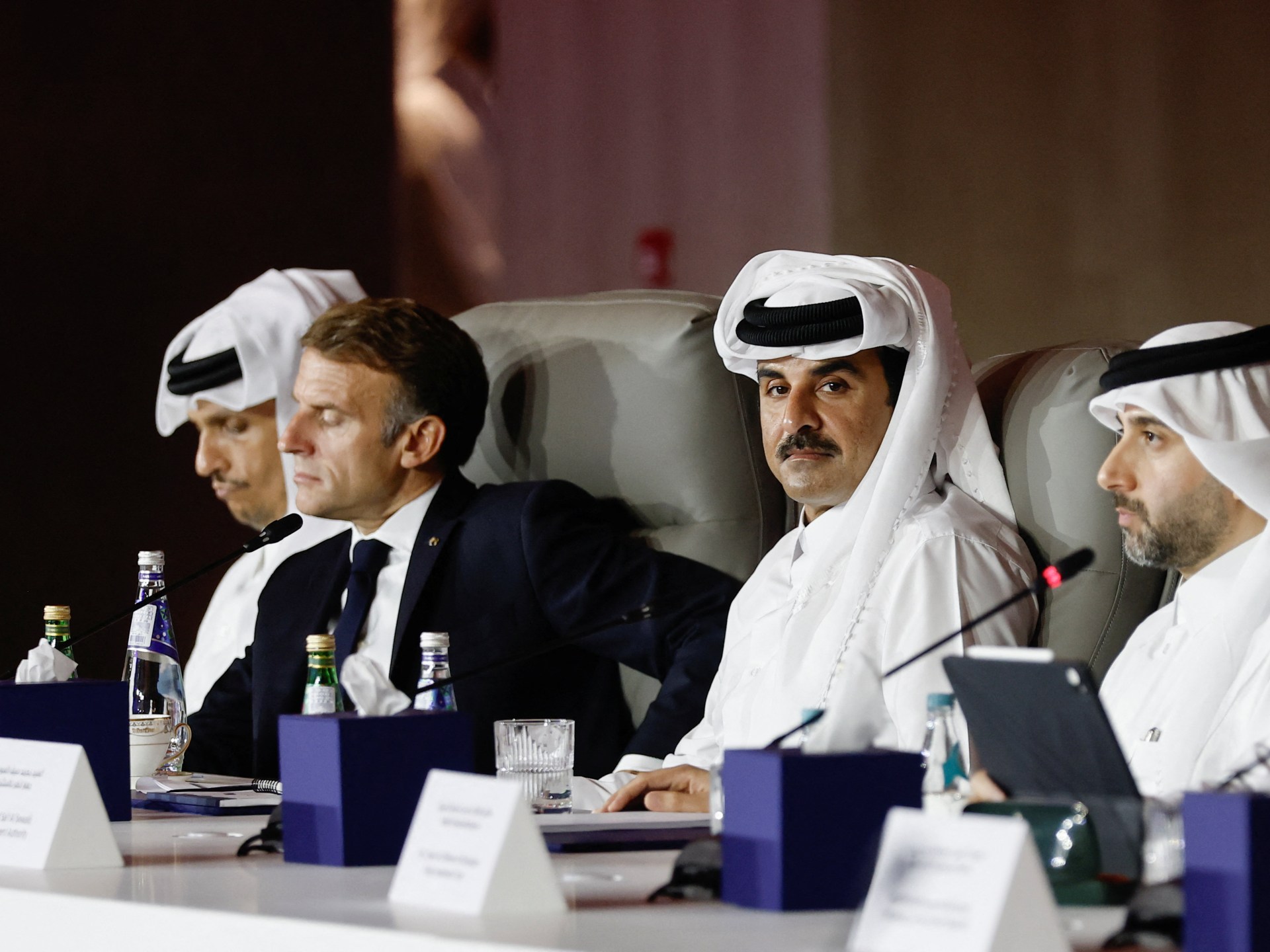
In a significant diplomatic maneuver, Qatar and France have officially called for the immediate restoration of freedom of navigation in the Strait of Hormuz and the rigorous enforcement of a ceasefire in Gaza. This joint stance, articulated following a high level meeting between the Emir of Qatar, Sheikh Tamim bin Hamad Al Thani, and French President Emmanuel Macron in Doha, signals a concerted international effort to de-escalate rising tensions in the Middle East. The Strait of Hormuz, a critical maritime chokepoint, has become a flashpoint for global energy security, and this new diplomatic push seeks to prevent further economic disruption while simultaneously addressing the dire humanitarian crisis within Gaza.
Understanding the Strait of Hormuz Crisis
The Strait of Hormuz is not merely a body of water, it is a global economic artery. With a significant portion of the world’s daily oil production passing through this narrow channel, any threat to navigation represents a systemic risk to the global economy. The joint statement released by Qatar and France emphasizes that navigation must be free from constraints or fees, a direct response to recent military escalations and maritime harassment that have threatened international shipping lanes. This call for stability is particularly relevant given recent shifts in regional power dynamics and energy-for-security models, which are explored in broader context at reports on evolving global energy alliances. The diplomatic engagement between Doha and Paris suggests a growing urgency to mitigate risks before they metastasize into full scale conflict.
Root Causes and Strategic Implications
The urgency behind this call for a ceasefire in Gaza and regional stability stems from a multifaceted security landscape. The humanitarian catastrophe is profound, with the United Nations World Food Programme reporting that nearly 1.4 million people in Gaza suffer from acute food insecurity. By linking the Gaza ceasefire to the broader regional stability agenda, Qatar and France are attempting to leverage their respective influence to force a move away from the current status quo.
- Humanitarian Imperative: Both nations demand the safe and unhindered delivery of aid, highlighting that the current restrictions are unsustainable.
- Sovereignty and Security: The leaders addressed the complex situation in Lebanon, calling for the implementation of the Trilateral Framework Agreement to restore national sovereignty and ensure a complete withdrawal of Israeli forces.
- Geopolitical Balancing: The condemnation of Iranian military strikes against regional neighbors, paired with the acknowledgement that Tehran might be open to renewed diplomacy, reflects a sophisticated strategy of applying pressure while keeping doors open for dialogue.
For further perspective on how international instability impacts local populations, one might compare these regional dynamics with other ongoing struggles, such as the global cost of living protests that highlight the interconnected nature of modern economic distress.
Strategic Outlook and Future Impact
President Macron’s tour, which included stops in Kuwait, the United Arab Emirates, Bahrain, and Saudi Arabia, underscores France’s intent to deepen its strategic footprint in the Gulf. By partnering with Qatar, a key mediator in regional conflicts, France is positioning itself as a primary broker in Middle Eastern security affairs. The long term success of these initiatives depends heavily on the willingness of regional actors to respect established international norms and the ability of global powers to provide consistent, coherent pressure. If these diplomatic efforts succeed, we may see a transition from localized conflict to a more stabilized security architecture in the Levant and the Persian Gulf. However, the path remains fraught with volatility, as entrenched interests and long standing historical grievances continue to complicate the prospects for durable peace.
Conclusion and What to Watch Next
The coming weeks will be decisive. As diplomats maneuver to reopen the Strait of Hormuz and push for actual compliance with the Gaza ceasefire terms, global markets and regional observers should monitor the following: 1) The operational success of aid corridors, 2) Any shift in the intensity of maritime harassment near the Hormuz passage, and 3) The potential for follow up meetings involving larger coalitions of regional stakeholders. The partnership between Qatar and France serves as a critical, if fragile, bulwark against further chaos, and its success remains a vital bellwether for the future of international relations in the region.