
Sudhakar Dalela To Succeed Naveen Srivastava As India’s Ambassador To Nepal
Introduction & Key Takeaways
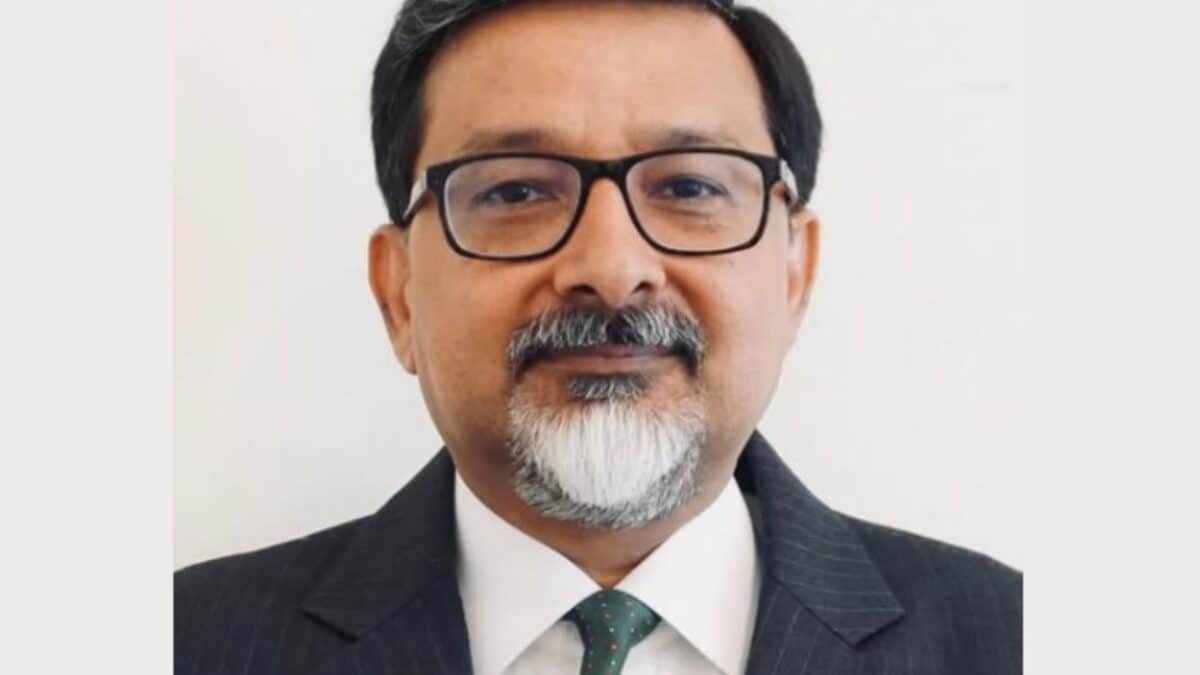
The Ministry of External Affairs has officially announced that Sudhakar Dalela will assume the mantle as India’s next Ambassador to Nepal. This strategic appointment marks a significant transition in the diplomatic relationship between New Delhi and Kathmandu, occurring just weeks before a high-stakes bilateral visit by Nepal Prime Minister Balen Shah. As Sudhakar Dalela prepares to take over from outgoing envoy Naveen Srivastava, observers are closely monitoring how his background in economic diplomacy will shape the future of cross-border cooperation.
Key takeaways regarding this diplomatic shift include:
- Sudhakar Dalela, a veteran Indian Foreign Service (IFS) officer, brings deep experience in managing relations with the Himalayan region.
- The appointment is timed specifically to precede the upcoming visit of Prime Minister Balen Shah to India, signaling a desire for continuity and high-level engagement.
- Nepal has simultaneously confirmed the appointment of Nischal Nath Pandey as its own representative to India, suggesting a synchronized diplomatic reset.
Background & Context (What Just Happened?)
Diplomacy is often a game of timing, and the shift in leadership at the Indian Embassy in Kathmandu is no exception. Naveen Srivastava has concluded a three-year tenure marked by complex negotiations regarding regional connectivity and infrastructure development. The transition to Sudhakar Dalela is designed to ensure that India remains proactive in its “Neighborhood First” policy, a cornerstone of its regional strategy. The incoming ambassador, who currently serves as Secretary in the Ministry of External Affairs, is no stranger to the nuances of the region, having previously held positions that oversaw India’s interactions with both Nepal and Bhutan.
This appointment occurs at a moment of transition for regional foreign policy priorities in South Asia, where infrastructure and trade logistics are taking center stage. For more context on the evolving nature of political protests and governmental responses in the region, refer to our analysis on how protests have shaped India.
Root Cause & Deep Dive Analysis (Why Did This Happen?)
The appointment of Sudhakar Dalela is largely viewed as a calculated move to prioritize economic integration. In his most recent role as Secretary for Economic Relations, Dalela was instrumental in navigating multilateral forums such as BRICS and the I2U2 group. By placing a career diplomat with extensive experience in economic diplomacy at the helm of the Kathmandu mission, New Delhi is signaling that the next phase of its relationship with Nepal will be focused on tangible outcomes, such as energy corridors, trade facilitation, and seamless transport links.
Historically, India-Nepal relations have faced intermittent friction, ranging from boundary disagreements to concerns over geopolitical alignment. The appointment of an expert like Dalela serves as a stabilizer, providing a familiar hand to guide the upcoming discussions with Prime Minister Balen Shah. Furthermore, the reciprocal appointment of Nischal Nath Pandey by Kathmandu indicates a mutual desire to clear the slate and focus on constructive bilateralism.
Strategic Implications & Future Impact (What Does This Mean Globally?)
The global positioning of South Asia is currently in flux, with nations balancing their relationships between regional giants and international stakeholders. India’s strategic interest in Nepal is not limited to bilateral trade but extends to the broader stability of the Indo-Pacific region. By appointing a seasoned diplomat who has previously handled North Division affairs, India is hedging against potential regional volatility. The success of this new diplomatic chapter will depend on the ability of both nations to resolve longstanding boundary disputes while simultaneously accelerating projects that promise economic prosperity for citizens on both sides of the border.
Conclusion & What to Watch Next
As November approaches, all eyes will be on the bilateral summit between New Delhi and Kathmandu. The success of this meeting will serve as a litmus test for the new diplomatic team. Will they be able to move beyond rhetoric to finalize concrete agreements on air routes and regional infrastructure? The arrival of Sudhakar Dalela in Kathmandu represents a vote of confidence in experienced, quiet diplomacy. Observers should keep a close watch on the joint statements emerging from the November visit, as they will likely set the tone for the next three years of this critical partnership.