
US envoy to meet Putin in Russia as Zelensky says intelligence sharing ‘works now’
Introduction & Key Takeaways
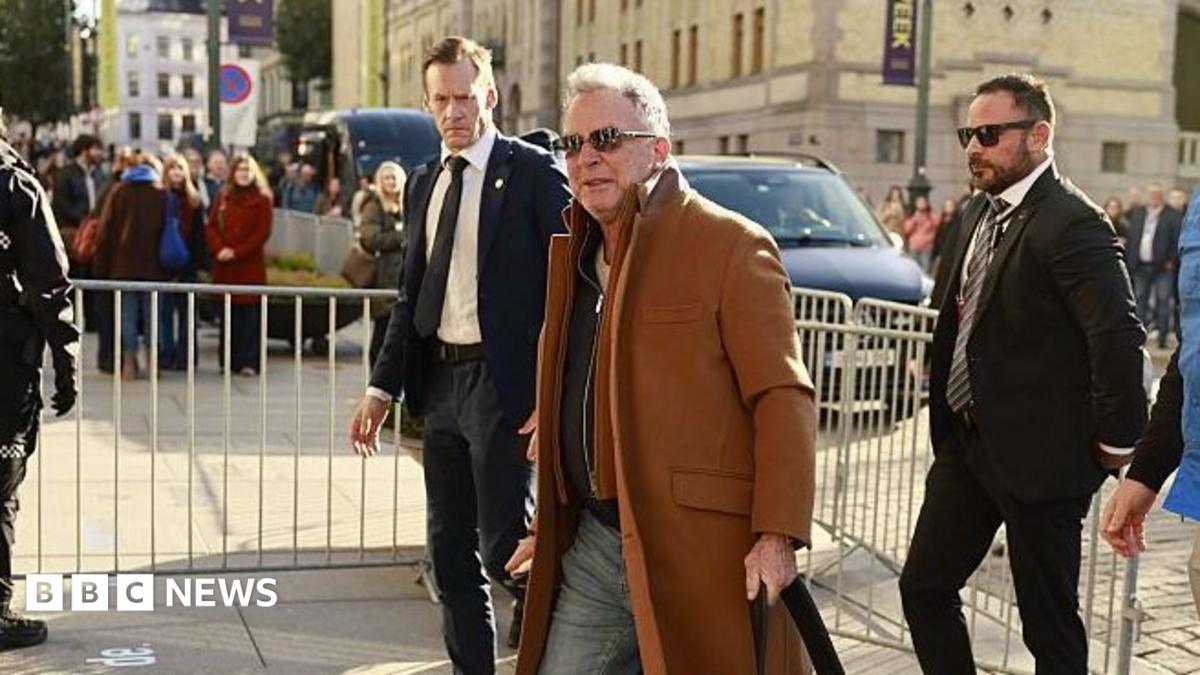
The geopolitical landscape of the Russia-Ukraine conflict has entered a critical new phase as US special envoy Steve Witkoff prepares for high-stakes discussions with Russian President Vladimir Putin in St. Petersburg. This pivotal diplomatic maneuver follows a constructive session in Oslo between Witkoff and Ukrainian President Volodymyr Zelensky. The focus is now on US Ukraine peace talks, which seek to reconcile the growing divergence between Washington’s desire for a swift resolution and Kyiv’s need for sustained defensive capabilities. Key developments include:
- Restored intelligence sharing between Washington and Kyiv, which President Zelensky has explicitly confirmed as functional.
- The active mediation role of US envoys, including Jared Kushner, to coordinate next steps toward a potential ceasefire.
- The emerging friction within the Western alliance regarding US strategy versus European security commitments.
- The ongoing challenges surrounding technology access, specifically the critical role of Starlink satellite services in active military theaters.
Background & Context
What just happened marks a significant shift in the administration of aid and diplomatic pressure. For weeks, reports of restricted intelligence sharing had caused immense strain on the partnership between the White House and the Zelensky administration. Tensions reached a boiling point as Kyiv faced intensified Russian missile barrages while feeling abandoned by the very intelligence stream that once provided early warnings. The atmosphere in Oslo was initially tense, though it concluded with a public expression of relief from the Ukrainian side. As noted in previous reporting on diplomatic relations, the current state of communication is essential for the survival of frontline operations. The dialogue in Norway involving Finnish President Alexander Stubb represents a collective effort to institutionalize peace proposals, moving away from fragmented bilateral agreements toward a more structured negotiation framework.
Root Cause & Deep Dive Analysis
Why did this happen? The primary catalyst is the looming US midterm elections, which have forced the Trump administration to view the conflict through the lens of domestic economic stability. High fuel prices, exacerbated by the global fallout from the US-led war on Iran, have put immense political pressure on the White House. The administration has explicitly linked fuel inflation to Ukrainian strikes on Russian energy infrastructure. This creates a strategic paradox: while Ukraine requires aggressive military actions to weaken Russian logistics, the US views such tactics as detrimental to global energy markets and electoral success at home. Furthermore, the dynamics of the ongoing war demonstrate that control of roughly 20 percent of Ukrainian territory remains a rigid baseline for Russian negotiation posture, leaving little room for immediate concessions.
Strategic Implications & Future Impact
What does this mean globally? The US Ukraine peace talks represent a shift toward transactional geopolitics. If the US pushes for a deal that forces a compromise on territory or military capacity, it could signal a broader decoupling from the security architecture of the Atlantic alliance. European leaders are increasingly concerned that the divergence in interests, as articulated by Vice-President JD Vance, may lead to a future where Europe is left to shoulder the burden of Ukrainian security without full American backing. This creates a vacuum that other global powers may look to fill, potentially destabilizing the regional security order further.
Conclusion & What to Watch Next
The coming days will be defined by the outcome of Witkoff’s meeting in St. Petersburg. Will the Kremlin offer meaningful concessions, or is this merely a tactical pause? We must watch for the status of Patriot interceptor deliveries, the stability of satellite communication networks for the Ukrainian military, and any shifts in the Kremlin’s rhetoric regarding the proposed energy ceasefire. The fragility of this current peace push cannot be overstated; the world watches as negotiators attempt to balance local security needs with the complex, often competing, political agendas of world leaders.