
Zelensky says US intelligence sharing ‘works now’ after talks with Trump envoy in Oslo
Introduction & Key Takeaways
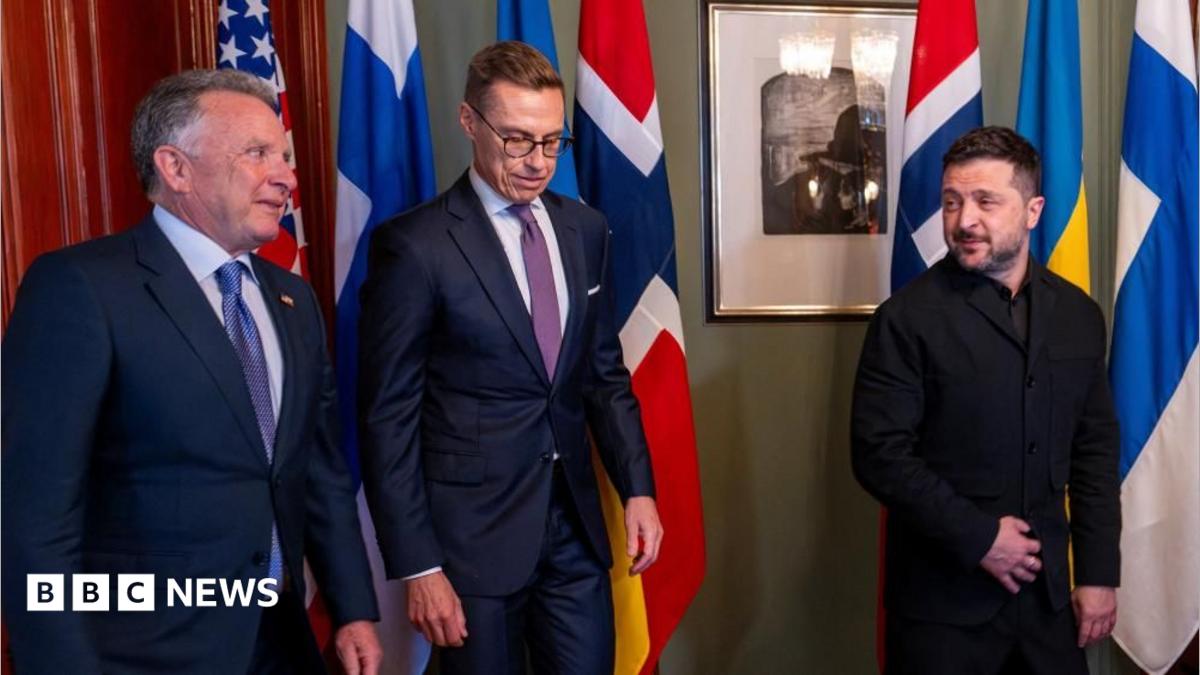
President Volodymyr Zelensky recently announced that the flow of critical US intelligence sharing has been restored following high-stakes negotiations in Oslo. This development follows a period of mounting tension regarding the support provided to Kyiv as the regional conflict continues. The Oslo meetings, which included US special envoy Steve Witkoff and Finnish President Alexander Stubb, aimed to align strategic priorities ahead of significant diplomatic moves. Key takeaways include:
- Intelligence sharing regarding ballistic missile threats is now operational.
- US envoy Steve Witkoff is scheduled for high-level discussions in Russia to present peace proposals.
- Tensions persist regarding US-provided hardware and long-term security commitments.
- European leaders are pushing for a joint approach to resolution as the winter period approaches.
Background & Context
The geopolitical landscape of the conflict in Ukraine has grown increasingly complex. In recent weeks, the relationship between Kyiv and Washington experienced a noticeable strain, characterized by public criticism and accusations that vital intelligence was being withheld. This, coupled with comments from President Donald Trump suggesting a leadership change in Ukraine, created a sense of uncertainty. The Oslo summit served as a critical platform to address these frictions, with European allies emphasizing that a unified front is essential for regional stability.
Root Cause & Deep Dive Analysis
The core of the recent friction lies in differing perceptions of strategic objectives. While Ukraine has been focused on defensive capabilities and reclaiming territory, some segments of the US administration have prioritized de-escalation and energy market stability. For instance, concerns were raised regarding the impact of targeting energy infrastructure on global fuel prices. This divergence led to temporary restrictions on satellite communication tools and a perceived slowdown in data flow. The restoration of intelligence sharing signifies a return to a more pragmatic framework, acknowledging that early warning systems are non-negotiable for civilian protection. These developments reflect a broader pattern of political maneuvering, as seen in recent high-level discussions that aimed to stabilize the partnership.
Strategic Implications & Future Impact
The shift in Washington’s stance carries significant weight for the upcoming midterms and beyond. By engaging in direct talks with Russian officials, the US envoy is attempting to manage a delicate balance. The efficacy of these peace proposals remains speculative, as the Kremlin maintains a firm position against political concessions. Furthermore, the role of European partners like Finland highlights the necessity of continental integration in security matters. If the current momentum is maintained, we may see a transition from purely military-focused support toward a more structured negotiation phase. However, the lack of definitive approval for additional defensive assets, such as specific interceptor missiles, remains a critical point of vulnerability for Ukraine. The geopolitical strategy is shifting, and observers are now focused on how Moscow interprets the new proposals during the upcoming diplomatic interactions.
Conclusion & What to Watch Next
The recent progress in Oslo provides a momentary reprieve from the diplomatic friction that threatened to undermine the alliance. While the reinstatement of intelligence sharing is a welcome relief for Ukrainian authorities, the long-term path to a resolution remains fraught with obstacles. Moving forward, stakeholders should monitor the outcomes of the meetings in St Petersburg. Additionally, the broader international community will be watching for signs of stability in communication channels between the US and its partners. As the political landscape in Washington continues to evolve, the continuity of foreign policy, especially regarding sensitive intelligence, will remain a bellwether for the future of the regional security architecture.