
What we know so far after Krakow gun attack
Introduction & Key Takeaways
A horrific and chilling event recently gripped the heart of Poland, as a coordinated Krakow gun attack unfolded in one of Europe’s most historic and busy public spaces. This sudden outburst of violence resulted in at least six deaths, excluding additional bodies discovered at the perpetrator’s residence. The event has sent shockwaves through the continent, forcing European security services to re-evaluate internal radicalization threats. Key takeaways include:
- The perpetrator, a 25-year-old Polish national, appears linked to far-right extremist ideologies.
- The incident left at least six people dead, with sixteen others sustaining injuries, including international citizens.
- Government officials have classified the event as an act of domestic terrorism.
- The rapid response of law enforcement prevented a significantly higher death toll.
Background & Context (What Just Happened?)
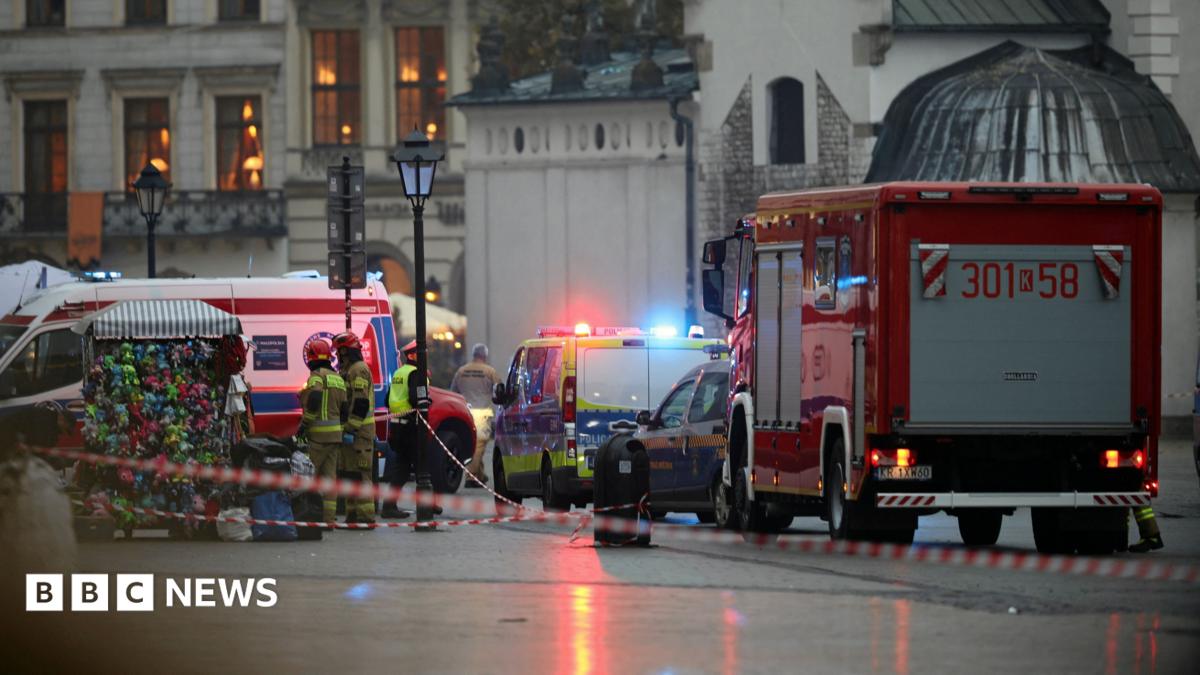
The tragedy began at approximately 15:00 local time in Krakow’s Main Market Square. A gunman, dressed in military-style attire, utilized his vehicle as a mobile platform to fire at random passersby. The immediate chaos triggered a massive emergency response. Much like the tension reported in other European cities, such as recent civil unrest instances, the security apparatus in Poland was stretched to its limit to neutralize the shooter within three minutes. Subsequent investigation of the suspect’s home revealed three additional bodies, suggesting a pre-planned sequence of violence that began well before the public shooting.
Root Cause & Deep Dive Analysis (Why Did This Happen?)
Authorities have characterized the attacker as an ultra-nationalist inspired by extreme ideologies. This Krakow gun attack highlights the persistent danger of radicalized individuals acting outside of organized groups, often referred to as lone-wolf threats. While the attacker was not a soldier, his possession of military-grade hardware raises urgent questions regarding the accessibility of lethal weapons for civilians holding permits. Experts suggest that the rise of online echo chambers, which propagate radical ideologies, is increasingly contributing to such outbursts. The discovery of weapons at his family home indicates a domestic environment potentially conducive to, or unaware of, his descent into radicalization.
Strategic Implications & Future Impact (What Does This Mean Globally?)
Globally, security analysts are viewing the incident as a litmus test for European border and internal safety protocols. The presence of foreign nationals among the victims underscores the international footprint of modern tragedy. In the context of global stability, incidents of this nature often lead to rapid policy shifts regarding gun control, intelligence monitoring, and the surveillance of extremist online communities. As noted in international security reports, intelligence agencies are currently prioritizing the identification of individuals with similar psychological profiles before they escalate to physical action. The event serves as a grim reminder that even historic, tourist-friendly hubs are susceptible to modern asymmetrical threats.
Conclusion & What to Watch Next
Poland now enters a period of national mourning as the investigation continues into the Krakow gun attack. The immediate focus will remain on the recovery of the sixteen injured individuals and the legal proceedings against the arrested suspect. Citizens and international observers should monitor upcoming government announcements regarding potential legislative changes to firearm regulations. Moving forward, the Polish administration, led by Prime Minister Donald Tusk, faces the monumental task of reconciling the public’s need for safety with the preservation of the open, vibrant culture that defines cities like Krakow.