
Kanpur Man Out To Buy Saree For Wife Killed By Woman Learner Driver 500m From Home
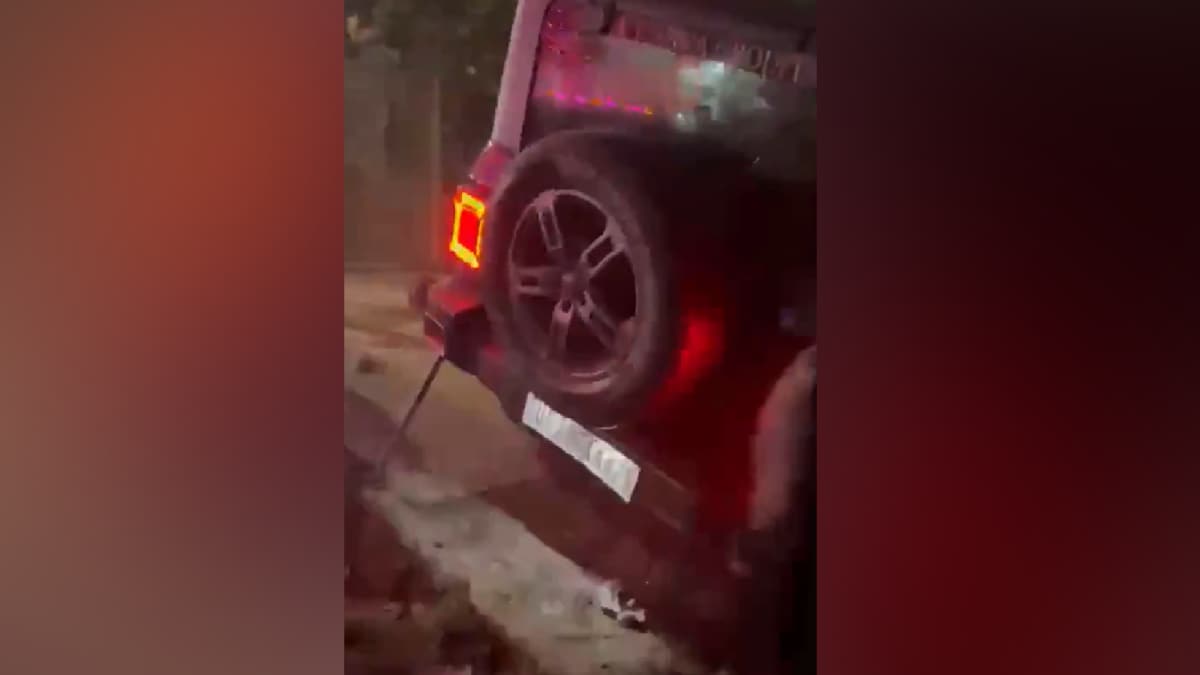
Introduction & Key Takeaways
The recent tragic death of Santosh Singh Chauhan in Kanpur, occurring just 500 meters from his residence while he was simply returning home with a gift for his wife, has sparked a fresh debate on road safety and the regulation of learner drivers. This incident involving a high-powered SUV highlights a growing concern in urban India, where reckless driving and accountability in hit-and-run cases remain significant challenges. A road accident of this nature, characterized by the abandonment of the vehicle and the fleeing of occupants, raises critical questions regarding the enforcement of traffic laws and the moral responsibility of those operating powerful machinery in residential zones.
- The victim was struck by a speeding Mahindra Thar allegedly operated by an individual learning to drive.
- The perpetrators abandoned the vehicle and fled the scene in a separate car, hindering immediate apprehension.
- Law enforcement authorities are currently utilizing CCTV footage and registration details to track the suspects.
- This event underscores the necessity for stricter protocols during driver training in high-density areas.
Background & Context (What Just Happened?)
On a quiet Saturday evening in Kanpur, the routine life of a local resident was shattered by a violent collision. Santosh Singh Chauhan, a 55-year-old, was commuting on his scooter when a Mahindra Thar lost control, rammed into him, and subsequently demolished the boundary walls of two private properties. The speed and weight of the SUV, a vehicle often associated with rugged off-road capability, proved fatal for the scooter rider upon impact. For a deeper understanding of urban safety, it is useful to review the global standards for vehicle operation and pedestrian protection.
Root Cause & Deep Dive Analysis (Why Did This Happen?)
The core of this tragedy lies in the intersection of inadequate training protocols and the proliferation of high-performance vehicles. While the primary cause of this specific road accident is alleged to be the incompetence of a learner driver, systemic issues contribute to such occurrences. Many individuals seek to learn driving in high-traffic or residential areas rather than controlled, sanctioned environments. The decision to allow an inexperienced driver behind the wheel of a heavy SUV, which has significant torque and weight, is inherently risky. Furthermore, the act of fleeing the scene indicates a profound failure in civil conduct, often fueled by the fear of legal consequences or social repercussions, leaving victims without immediate aid and authorities with a cold trail.
Strategic Implications & Future Impact (What Does This Mean Globally?)
This incident is not an isolated event but a symptom of broader urban growth challenges across India. As metropolitan landscapes expand and vehicle ownership, particularly of larger SUVs, surges, the margin for human error on public roads narrows. Authorities must look toward smarter urban planning, including the installation of better traffic calming measures in residential neighborhoods. Additionally, there is a clear demand for more stringent licensing examinations that mandate proficiency in handling large vehicles before they are allowed on public thoroughfares. We have previously observed similar challenges with societal instability in other regions, as noted in reports on civil unrest, which often highlight the fragility of community order when institutional trust is compromised.
Conclusion & What to Watch Next
As the investigation in Kanpur continues, the focus remains on the identification and arrest of the individuals who fled the scene. The recovery of the vehicle provides a crucial lead for the police, who are now tasked with cross-referencing witness accounts with surveillance data. Moving forward, citizens and policymakers alike should advocate for zero-tolerance policies regarding hit-and-run incidents. Ensuring that learners are adequately supervised and restricted from high-traffic zones during their early stages of instruction is a vital step in preventing such future tragedies. Public awareness, combined with a swift judicial process, remains the only viable path toward safer streets.