
‘Misleading Post’: MEA Fact-Checks Report On India’s US Lobbying Arrangement
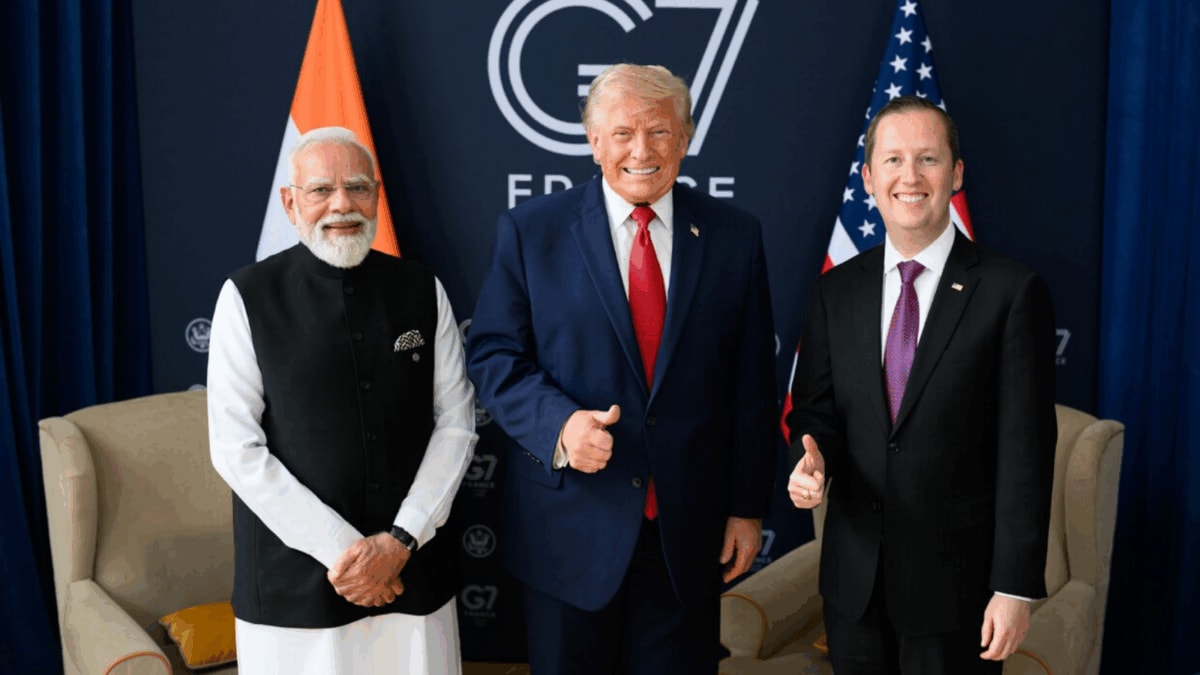
Introduction & Key Takeaways
The Ministry of External Affairs (MEA) has issued a swift and authoritative clarification regarding recent media reports concerning India’s lobbying arrangement within the United States. As global diplomacy becomes increasingly complex, nations often employ professional firms to navigate the intricate political landscape of Washington. This report explores the recent scrutiny surrounding the India US lobbying framework, the facts behind the disclosure filings, and why such practices are standard operating procedures for sovereign nations.
- The MEA maintains that engaging lobbying firms is a established practice for the Indian Embassy, dating back to 1948.
- The report of suspicious activities, specifically regarding SHW Partners LLC, has been dismissed as misleading by government officials.
- Public records indicate these arrangements are transparently filed under the US Foreign Agents Registration Act (FARA).
- The diplomatic discourse remains focused on long-term strategic interests rather than individual service contracts.
Background & Context (What Just Happened?)
The controversy emerged following a series of reports suggesting that the Indian government had utilized specific lobbying entities to orchestrate direct lines of communication with senior White House officials. These claims centered on a disclosed filing by SHW Partners LLC, a firm led by associates of the current administration. The reports alleged that the firm facilitated eight distinct phone calls between Indian representatives and top-tier US officials during the summer of 2026. Given the high stakes of current international relations, these revelations were initially portrayed by some outlets as a deviation from diplomatic norms.
Root Cause & Deep Dive Analysis (Why Did This Happen?)
To understand the mechanics of India US lobbying, one must look at the legal framework governing foreign interests in Washington. The Foreign Agents Registration Act requires any entity representing a foreign government to declare its activities publicly. The MEA clarified that the specific work performed by Mercury Public Affairs LLC was confined to the dissemination of information on social media platforms, rather than clandestine policy influence. The existence of these contracts is not indicative of secrecy but rather an adherence to the legal requirements of the host nation. Whether it is domestic political shifts or external international policy, the ability to communicate directly through established channels is a standard requirement for maintaining robust bilateral ties.
Strategic Implications & Future Impact (What Does This Mean Globally?)
The strategic partnership between New Delhi and Washington is multifaceted. As both nations continue to navigate an evolving global order, the reliance on specialized consultants becomes a tool for efficiency. The MEA’s prompt response serves to reassure the public that these mechanisms are for strategic facilitation rather than illicit influence. By ensuring that details of these contracts remain accessible in the public domain, India demonstrates its commitment to transparency. This situation echoes historical instances where foreign diplomatic missions sought professional expertise to bridge the gap between complex bureaucratic systems. For further analysis on international standards, one can consult the official FARA database regarding registration guidelines.
Conclusion & What to Watch Next
The narrative surrounding India US lobbying has been effectively course-corrected by the Ministry of External Affairs. As the geopolitical landscape shifts, it is essential to distinguish between professional diplomatic advocacy and sensationalized reporting. Looking ahead, observers should focus on the continued evolution of India-US relations, particularly as both nations seek to deepen economic and security cooperation in the coming years. While individual firms may change their service agreements, the underlying necessity for a clear, professional dialogue between these two global powers remains a constant pillar of modern statecraft.