
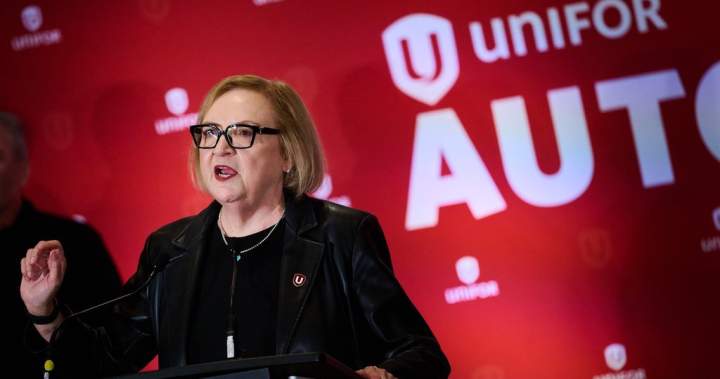
Unifor says it believes Stellantis sold its Brampton plant
Introduction & Key Takeaways
The automotive landscape in Canada faces significant turbulence as Unifor, the union representing Stellantis workers, signaled its belief that the company has finalized the sale of its Brampton assembly plant. This development serves as a focal point for the broader Stellantis Brampton sale crisis, highlighting the precarious nature of domestic manufacturing in an era of rapid industry transition. As uncertainty deepens, the standoff between organized labor and multinational corporate strategy has reached a boiling point, potentially impacting thousands of livelihoods.
- Unifor suspects the Brampton facility has been sold, despite a lack of official confirmation from Stellantis.
- The facility, previously a cornerstone of local production, has been dormant for over two years, impacting over 2,000 workers.
- Negotiations remain at an impasse, with a 97.3 percent strike mandate now looming over the company.
- The situation mirrors broader global shifts in the automotive sector, as multinational corporations reallocate capital away from legacy assets.
Background & Context
What just happened marks a culmination of months of speculative tension. In September, a memorandum of understanding (MOU) was signed between Stellantis and Roshel, an armoured vehicle manufacturer, regarding the future of the Brampton site. Since then, silence from corporate leadership has fueled anxiety among local stakeholders. The plant, which ceased operations in 2023, represents a significant loss to Ontario’s industrial backbone. When companies operate in such opaque manners, the breakdown in trust becomes inevitable, particularly when public trust and institutional stability are already being tested in various sectors across the nation.
Root Cause & Deep Dive Analysis
The Stellantis Brampton sale underscores the friction between the shift toward electric vehicles and the preservation of traditional assembly line jobs. Stellantis is under intense pressure to optimize its global footprint, often at the expense of regional facilities. For labor unions, the primary concern is not just the sale, but the lack of transparency regarding redeployment or severance packages for those caught in the shuffle. The high strike mandate, reaching over 97 percent of the membership, demonstrates a unified labor force that feels sidelined by boardroom decisions. This reflects a recurring pattern in the global economy where the speed of technological adoption frequently outpaces the social safety nets necessary to protect the workforce.
Strategic Implications & Future Impact
The implications of this potential sale extend far beyond one factory. If the facility moves into the hands of a niche manufacturer like Roshel, the specialized skills of thousands of veteran autoworkers might be permanently lost to the wider industry. Furthermore, this move forces a wider discussion regarding the role of government subsidies in the automotive sector. Should multinational firms be allowed to receive tax incentives only to abandon local sites once they no longer serve short term fiscal goals? The Stellantis Brampton sale serves as a case study for future labor negotiations, signaling that unions will increasingly demand ironclad job security guarantees in exchange for productivity gains.
Conclusion & What to Watch Next
The coming weeks will be decisive. If Unifor moves to initiate strike action, it will likely cripple remaining operations, forcing Stellantis to finally address the accusations of opacity. Observers should monitor whether the Ministry of Industry steps in to mediate the dispute. The fate of these 2,000 workers is not merely a regional labor issue, but a litmus test for the viability of industrial labor relations in a changing world. We will continue to track whether this leads to a resolution or a prolonged, damaging labor conflict that redefines the future of Ontario’s automotive manufacturing landscape.