
What we know so far after Polish gunman in military clothing opens fire in Krakow
Introduction & Key Takeaways
The recent act of violence in central Krakow, where a gunman in military attire opened fire, has shocked the European nation and prompted an immediate international response. This Krakow shooting event serves as a stark reminder of the persistent threats posed by radicalization and the volatility of urban spaces. As authorities piece together the motive behind the attack that claimed six lives, the incident forces a difficult conversation regarding public safety, the availability of military-grade weaponry, and the rising influence of extremist ideologies. Key takeaways from this tragedy include:
- Six fatalities confirmed, including a foreign national, with many others injured.
- The 25-year-old suspect is currently in custody after being neutralized by police.
- Preliminary reports link the attacker to far-right extremist ideologies.
- A period of mourning has been declared in Krakow through November 11.
Background & Context (What Just Happened?)
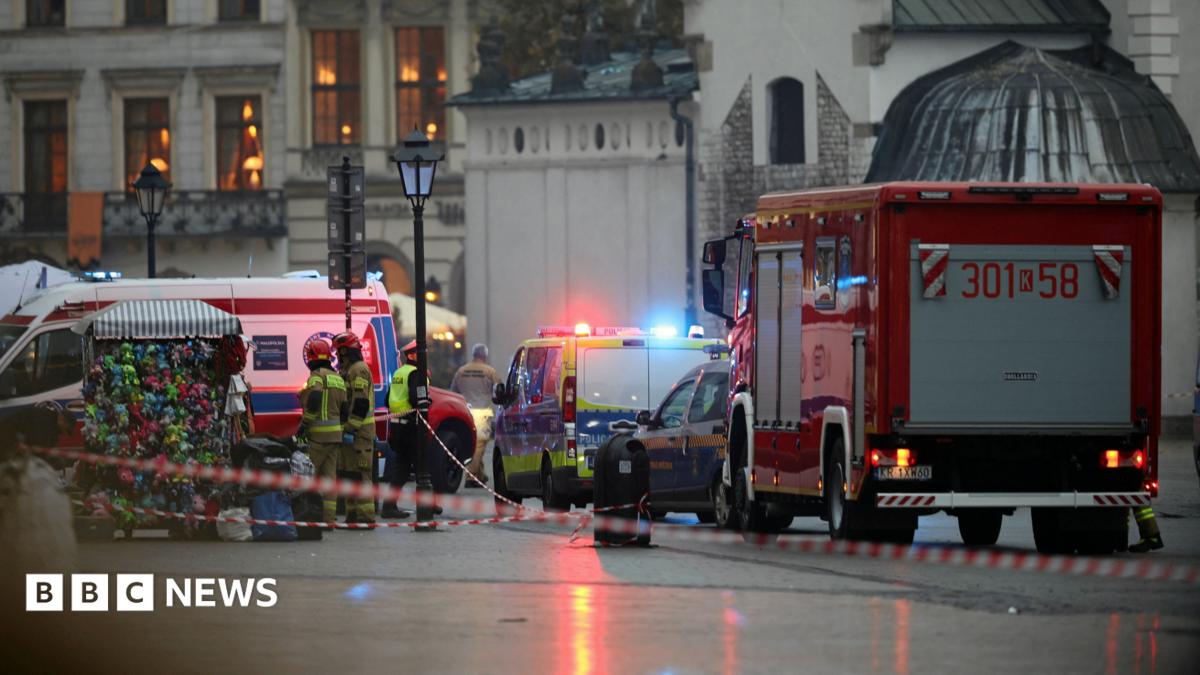
On November 7, 2026, the historic Main Market Square of Krakow was transformed into a site of terror. Shortly before 15:00 local time, a lone individual in military-style clothing initiated a drive-by shooting in one of Europe’s most frequented medieval centers. The swift intervention of Polish law enforcement, who engaged the suspect within three minutes, likely prevented further loss of life. Despite the rapid police response, the damage was profound. Sixteen people, including two police officers, were hospitalized. The scale of this violence has deeply shaken the local community and raised questions about security preparedness in iconic cultural hubs, much like the broader societal concerns discussed in reports about police accountability and public trust.
Root Cause & Deep Dive Analysis (Why Did This Happen?)
While the investigation remains active, initial assessments point toward the dangerous intersection of mental health, access to firearms, and radicalization. The suspect, a 25-year-old local, utilized high-caliber weaponry allegedly sourced from a family home. The government’s characterization of the suspect as an ultra-nationalist suggests a potential alignment with extremist networks. Radicalization experts note that individuals isolated by modern digital silos often find validation for their violent impulses within the dark corners of the internet. This case underscores the challenges for intelligence agencies, such as those discussed on official national security platforms, in detecting low-signal threats from individuals who do not fit traditional terrorist profiles but possess the capability to inflict mass casualties.
Strategic Implications & Future Impact (What Does This Mean Globally?)
The Krakow shooting has immediate geopolitical and social ramifications. Prime Minister Donald Tusk has moved quickly to address the nation, balancing the need for security with the preservation of civil liberties. Internationally, the event serves as a bellwether for European stability as nations grapple with political polarization. The involvement of a foreign national among the victims emphasizes the global nature of urban risk, potentially impacting tourism, international policy, and the tightening of local arms control regulations. Moreover, this event will likely accelerate conversations regarding the surveillance of far-right movements across the European Union, as the bloc attempts to reconcile democratic freedom with the necessity of mitigating domestic extremism.
Conclusion & What to Watch Next
As the city of Krakow enters its period of mourning, the focus will shift toward the legal proceedings and the broader inquiry into how such a violent act could be planned in plain sight. Future developments will likely center on the origins of the perpetrator’s radicalization, potential accomplices, and the effectiveness of current Polish legislation regarding private weapon ownership. Observers should continue to monitor the status of the critically injured police officers and the findings of the counter-terrorism investigation. Stability in the region depends on how effectively authorities can isolate the roots of this extremism without fueling the very divisions the perpetrators seek to exploit.