
Saudi-Houthi fighting in Yemen escalates: What happened, and what’s next?
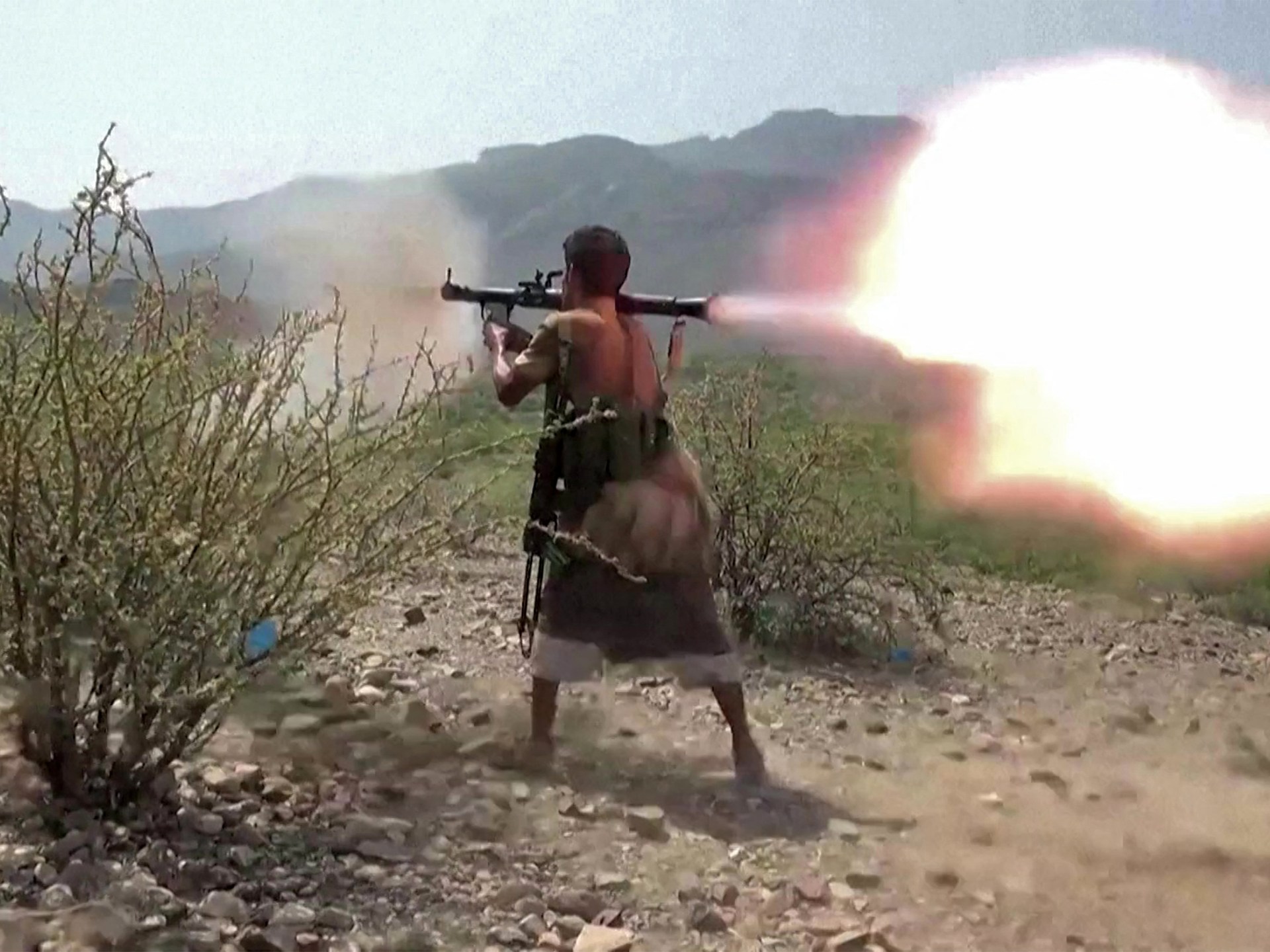
Yemen, a nation perpetually on the precipice of deeper catastrophe, finds itself once again engulfed in a renewed surge of violence as Saudi-Houthi fighting dramatically escalates. This latest chapter in the protracted conflict sees Yemen’s Iran-aligned Houthi movement launching a series of audacious attacks deep within Saudi Arabian territory, prompting Riyadh to vow a firm and unequivocal retaliation. The exchanges have wounded dozens and significantly disrupted vital energy infrastructure in southern Saudi cities, underscoring the conflict’s far-reaching implications beyond Yemen’s borders.
On Tuesday, the Houthis claimed responsibility for targeting Saudi energy sites, including installations belonging to the oil behemoth Aramco, describing it as a "broad operation." This followed earlier Saudi-led coalition strikes on Houthi-held areas. Saudi authorities quickly confirmed the attacks on critical energy sector facilities in the kingdom’s southern provinces, reporting at least 73 casualties, among them women and children. This tit-for-tat violence, the most severe since a UN-brokered truce in 2022 briefly quieted the guns after eight years of full-blown conflict, now threatens to plunge an already suffering nation into an even deeper abyss of humanitarian despair.
The Strategic Chessboard of Saudi-Houthi Fighting
The timing of this renewed vital maritime artery and geopolitical maneuvering is hardly coincidental. A critical element underpinning this current escalation is the strategic significance of the Bab al-Mandeb Strait, a narrow waterway connecting the Red Sea to the Gulf of Aden. This choke point has gained amplified importance amid persistent tensions in the Strait of Hormuz, another crucial passageway for global oil and gas supplies. With perceived threats of Iranian restrictions on Hormuz, Saudi Arabia has increasingly relied on its Red Sea export routes, transforming Bab al-Mandeb into an even more prized geopolitical asset.
Indeed, between March and mid-July of the previous year, Saudi seaborne crude exports through Bab al-Mandeb surged eightfold compared to the same period in 2025. In 2024, approximately 4.1 million barrels of crude oil and petroleum products traversed the strait daily, accounting for roughly 5 percent of the global total. The Houthis, keenly aware of this leverage, have openly declared blockades against Saudi shipping and consistently sought to advance towards government-held areas near al-Makha (Mocha) and other territories bordering this vital strait. As Ahmed Nagi, a senior analyst at the International Crisis Group, aptly observes, the Houthi movement toward the western coast isn’t merely about territorial gains; it possesses a potent maritime dimension, aiming to sustain pressure on Red Sea traffic. This intricate dance of ground offensives and maritime ambitions highlights the complex motivations behind the escalating Saudi-Houthi fighting.
Unfolding Battlefield and Humanitarian Calamity
The ground situation remains highly volatile and difficult to independently verify amidst the fog of war. Yemen’s internationally recognized government, backed by Riyadh, launched significant counteroffensives across several provinces. Reports from government-aligned forces speak of pushes towards al-Labanat mountains in al-Jawf and advances in Dhi Na’im district in al-Bayda, with deputy defence minister Major-General Samir al-Sabri unequivocally stating the government’s resolve to "retake Sanaa." Conversely, the Houthis claim to have repelled these advances, inflicting casualties and utilizing ballistic missiles against reinforcements.
The human cost of this renewed hostilities is nothing short of catastrophic. The World Health Organization reported that at least 728 people were killed or wounded in Yemen since late August, with the majority concentrated in Taiz and along the western coast. A staggering 21,000 people, roughly 3,000 families, have been displaced from Taiz alone in a matter of days. As Al Jazeera’s Yousef Mawry warned from Sanaa, the casualty count is anticipated to rise dramatically. This mass displacement, coupled with already critical levels of food insecurity and a collapsed healthcare system, heralds a "significant deterioration in what is already a catastrophic situation," as put by Nagi. The reverberations of such conflict often lead to increased oil prices globally, as demonstrated by past events where oil prices surge when regional tensions, particularly those impacting the Strait of Hormuz or Bab al-Mandeb, reach boiling point, further exacerbating humanitarian logistics.
What Lies Ahead?
The prevailing sentiment among analysts suggests that the conflict has long transcended purely domestic Yemeni dynamics. Hisham al-Omeisy, a senior Yemen adviser at the European Institute of Peace, emphasizes that the Houthis’ push to control Bab al-Mandeb and the western coast signifies a "chokehold on the other side of the Arabian Peninsula," intrinsically linked to Iranian influence over the Strait of Hormuz. This regional entanglement means "this is definitely not domestic," especially with the Houthis increasingly targeting Saudi Arabia.
While the situation on the ground remains "very fluid," Nagi notes that the government appears to be in a stronger position than before, viewing this round of Saudi-Houthi fighting as an opportunity to consolidate gains. However, this does not imply Houthi weakness. A decisive military victory for any side seems elusive. Most experts anticipate an eventual negotiated settlement, echoing Yemen’s historical trajectory of reaching deals rather than outright winner-takes-all scenarios. Saudi political analyst Khaled Batarfi believes Riyadh will respond to these provocations with an "eye for an eye," but he doesn’t foresee a prolonged war with either Iran or the Houthis. Yet, until a robust political solution emerges, the people of Yemen will continue to bear the heaviest burden of this relentless conflict.