
India Condemns Pakistan’s Airstrikes, Reiterates Support Of Afghanistan’s Sovereignty
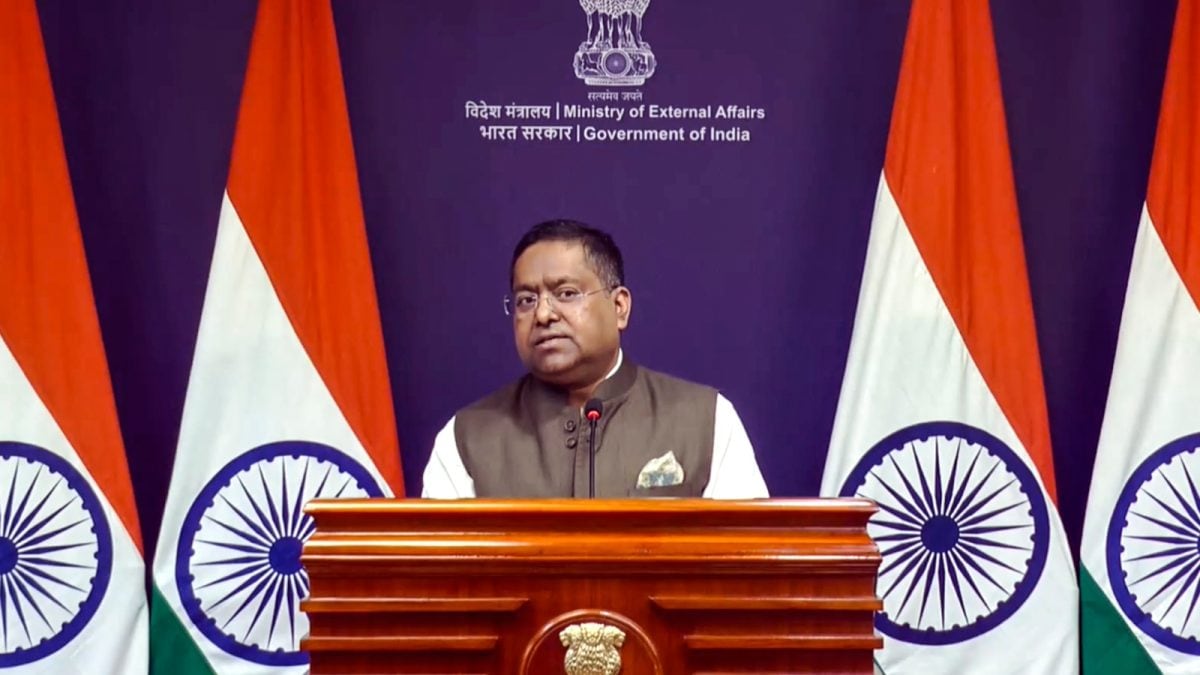
New Delhi, unwavering in its commitment to regional stability, today vehemently denounced Pakistan’s recent airstrikes against Afghanistan. India emphatically reiterated its steadfast support for Afghanistan sovereignty and territorial integrity, simultaneously pledging continued humanitarian and developmental assistance to the beleaguered Afghan populace. This firm stance comes amidst a volatile period of escalating cross-border skirmishes.
Upholding Afghanistan Sovereignty: A Diplomatic Imperative
During a routine Ministry of External Affairs (MEA) media briefing, spokesperson Randhir Jaiswal articulated India’s unequivocal condemnation of the Pakistani actions. He expressed profound sorrow over the tragic loss of numerous civilian lives, including innocent women and children, offering heartfelt condolences to the victims’ families. “We stand resolute in our conviction regarding the territorial integrity and Afghanistan sovereignty,” Jaiswal declared, underscoring the gravity of the situation. He further elaborated on India’s enduring dedication to the Afghan people, detailing ongoing humanitarian aid initiatives, including critical medicine supplies, alongside robust development cooperation projects designed to uplift local communities. This unwavering assistance, he assured, remains a cornerstone of India’s foreign policy in the region.
The current friction represents a significant exacerbation of tensions between Pakistan and Afghanistan, marked by a series of contentious military exchanges across their shared, often porous, border. Washington, through its State Department, recently voiced support for Pakistan’s right to self-defense against terrorist threats, acknowledging the immense suffering of the Pakistani people due to extremism. However, the human toll of these latest hostilities is stark: the international humanitarian concerns reported a devastating count of at least 28 civilians killed and 49 injured during the Pakistani airstrikes along the frontier. In a defiant response, the Taliban government in Afghanistan claimed to have launched retaliatory strikes deep within Pakistani territory, allegations Islamabad countered by stating its forces intercepted and downed four rudimentary drones over Balochistan.
Pakistan consistently accuses Afghanistan of harboring militants responsible for attacks on its soil. Conversely, the Taliban administration vehemently rejects these accusations, asserting that Pakistan’s militant challenge is an internal matter and accusing Islamabad of deflecting blame for its own entrenched security dilemmas. While Pakistan, a nuclear-armed power, undeniably possesses a superior conventional military, the Taliban, having returned to power in Kabul following the 2021 US withdrawal, commands decades of invaluable guerrilla warfare experience. These renewed hostilities unfold against a backdrop of improving US-Islamabad relations, notably since former President Donald Trump’s return to the White House. Furthermore, Pakistan has been actively engaged in diplomatic efforts aimed at de-escalating the broader regional tensions stemming from the US-Israel conflict with Iran, adding another layer of complexity to its regional posturing.