
Jerusalem Daily: Israel’s lockdown of Hebron comes to an end
Introduction and Key Takeaways
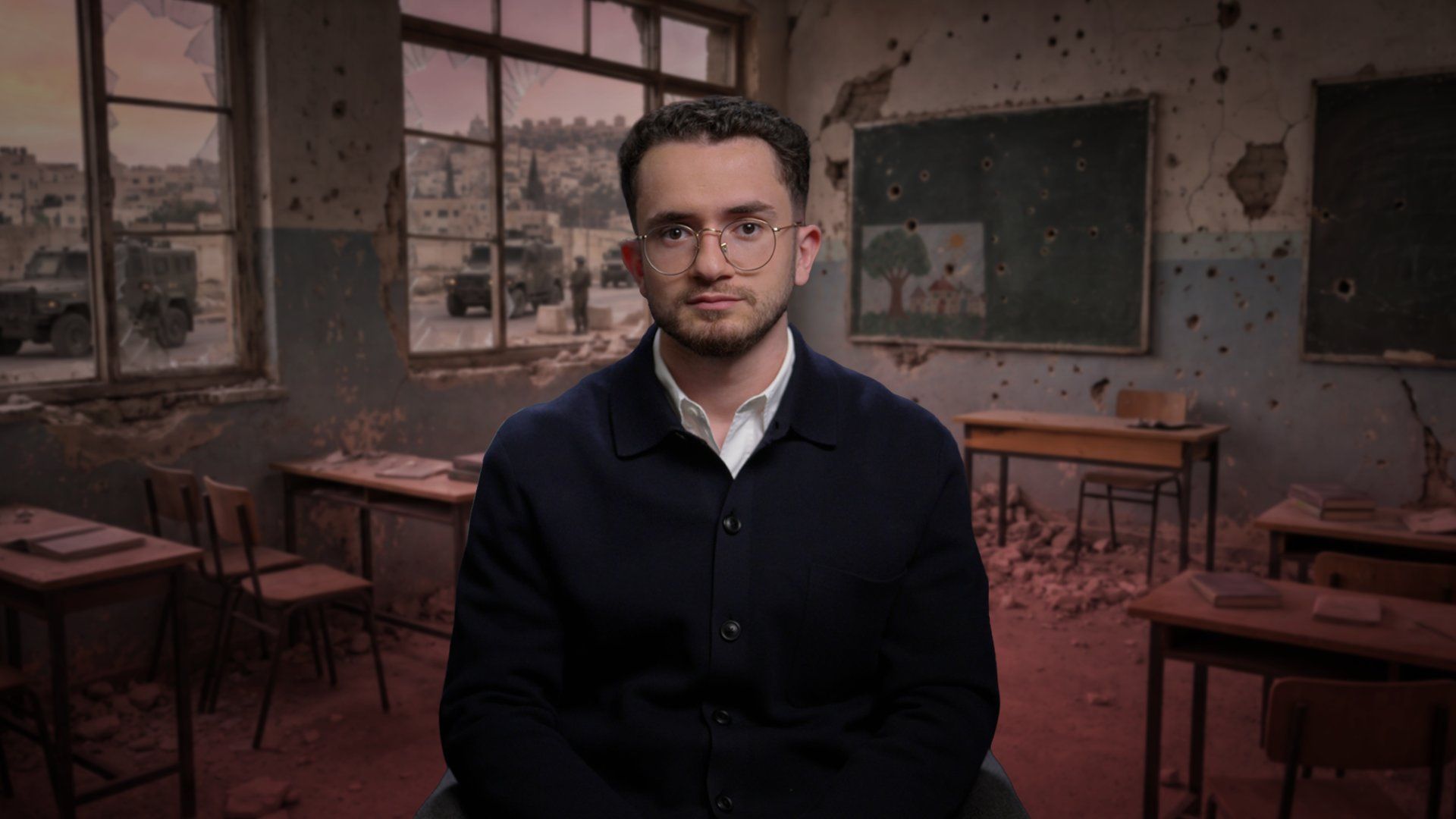
The recent conclusion of the Israeli military’s ten-day lockdown of Hebron in the occupied West Bank marks a significant shift in regional security protocols, yet it offers little relief to the broader climate of instability. While the specific movement restrictions have been lifted, the operational realities on the ground remain volatile. As the Hebron lockdown ends, international observers are shifting their focus to the persistent cycle of military actions elsewhere in the region, most notably the continued operations directed at academic institutions in al-Mughayyir.
- The ten-day closure of Hebron resulted in substantial economic disruption for local businesses and residents.
- Military operations have shifted focus, with reports of school-centered incidents in neighboring villages persisting.
- The inconsistency in de-escalation strategies raises concerns regarding long-term regional stability.
- International humanitarian organizations continue to call for an investigation into the impacts of these lockdowns on civilian infrastructure.
Background and Context
The city of Hebron occupies a unique and highly contentious position within the West Bank. Its demographic makeup, divided between a large Palestinian population and a small but entrenched Israeli settler community, makes it a frequent flashpoint for violence. The recent ten-day siege was initiated following security concerns cited by Israeli authorities. Such measures, commonly referred to as collective punishment by critics, serve to isolate communities by severing supply lines, obstructing medical access, and stalling the local economy. Similar to tensions observed in other regions where civil unrest periodically flares, the impact on schools and daily life is profound.
Root Cause and Deep Dive Analysis
Why did this specific lockdown occur, and why does it feel part of an endless cycle? The root cause involves a strategic effort by Israeli forces to neutralize perceived threats within the Old City and surrounding areas of Hebron. However, experts argue that such kinetic military responses often exacerbate the very radicalization they intend to quell. When the Hebron lockdown ends, the infrastructure of the city is often left in a state of exhaustion, with businesses having lost critical revenue and students facing significant educational gaps. Furthermore, the persistent attacks on schools in places like al-Mughayyir suggest that the security apparatus is broadening its target scope, viewing civilian institutions as potential arenas for dissent or resistance.
Strategic Implications and Future Impact
The geopolitical ramifications are stark. As regional actors navigate these micro-conflicts, the ability for diplomatic channels to function effectively remains severely compromised. The United Nations has consistently monitored these developments, highlighting how the prolonged restriction of movement prevents the normal functioning of civil society. For Israel, these tactics may appear as necessary security measures, but they incur a heavy cost in international public opinion. The recurring pattern of lockdowns followed by localized skirmishes suggests a strategy of attrition rather than one aimed at achieving sustainable peace. Future impacts will likely include increased international scrutiny, potential sanctions on specific military units, and a hardening of attitudes among the Palestinian youth, which could lead to a new generation of militant engagement.
Conclusion and What to Watch Next
As the Hebron lockdown ends, the focus must now turn to the sustainability of this cessation. Is it a genuine step toward de-escalation, or simply a tactical pause before the next cycle begins? Watchers should monitor the frequency of incursions in neighboring villages and the status of local school safety. If the military continues to prioritize infrastructure-heavy responses over diplomatic engagement, the cycle of violence will almost certainly persist. The international community is watching closely, waiting to see if leadership will pivot toward a solution that respects both the security needs of Israel and the fundamental rights of the Palestinian people living in these contested territories.