
Third Ebola case in Kenya highlights US failures amid Trump cuts to key services
Introduction & Key Takeaways
The emergence of a new Ebola cluster in Kenya marks a sobering development in global health security. As a third case is confirmed, the situation serves as a stark indicator of how significantly the landscape of international cooperation has eroded. This Ebola crisis highlights a dangerous intersection of geopolitical shifts, the withdrawal of traditional American leadership, and a rising tide of public distrust in international health interventions. Critical takeaways include:
- The confirmation of a localized cluster in Kenya, marking the first such occurrence in the nation’s history.
- Heightened tensions stemming from the establishment of a controversial, US-led quarantine facility on Kenyan soil.
- The long-term impact of defunding major health agencies, such as the Centers for Disease Control and Prevention, on our collective ability to contain viral outbreaks.
- The destabilizing effect of US withdrawal from multilateral organizations like the World Health Organization.
Background & Context (What Just Happened?)
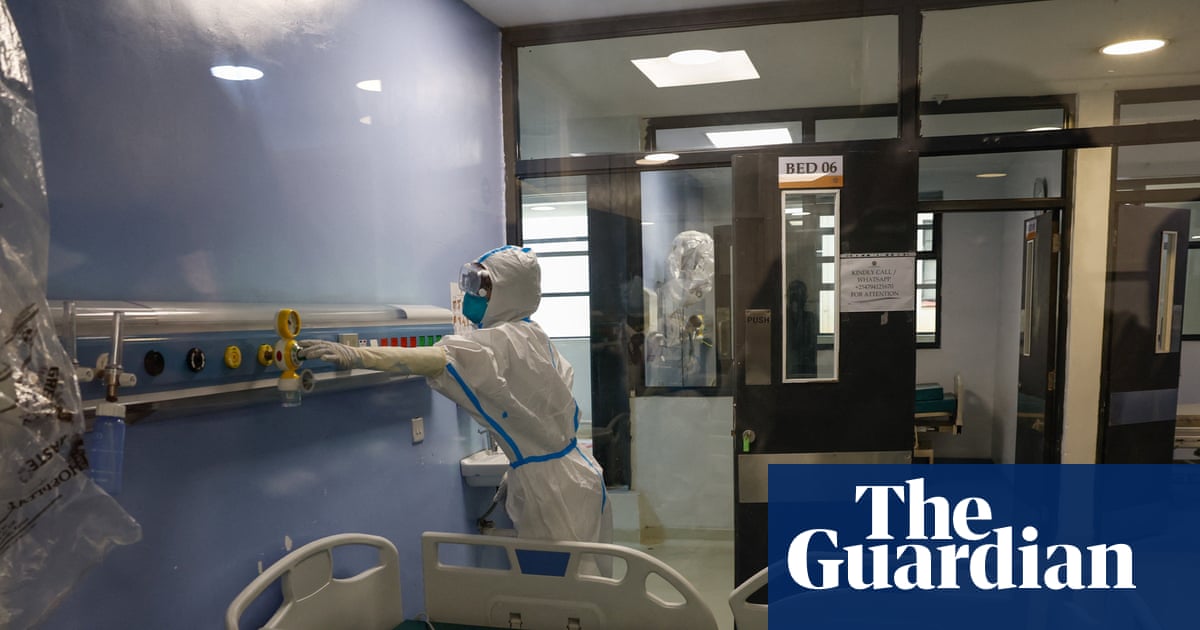
The current situation began when a Kenyan national, who had fallen ill while in the Democratic Republic of the Congo, traveled through regional borders and eventually succumbed to the virus in a Nairobi hospital. Since that initial tragedy, two additional family members have tested positive. While Kenyan authorities have implemented contact tracing, the public response has been defined by extreme skepticism. This anxiety is amplified by the presence of a US-run quarantine center at the Laikipia air base, a site that has become the focal point of local protests and legal challenges. This development is not occurring in a vacuum; it follows years of shifting US foreign policy, which has seen the active dismantling of the US Agency for International Development and a general cooling of overseas health commitments.
Root Cause & Deep Dive Analysis (Why Did This Happen?)
To understand the depth of this failure, one must look at the systematic erosion of global disease-monitoring infrastructure. For decades, the US operated as a backbone for international health initiatives, often utilizing existing programs (such as HIV prevention clinics) to maintain a persistent watch over potential health threats. When funding for these programs was slashed, the local capacity to detect and respond to initial cases vanished almost overnight. As many experts have noted, these clinical structures were dual-purpose, providing both routine care and the essential eyes and ears needed to spot an evolving crisis. By pulling back, the United States left itself and its partners blind to early warning signs, ultimately forcing a reactive stance rather than a proactive one.
Strategic Implications & Future Impact (What Does This Mean Globally?)
The strategic consequences of this isolationist approach are profound. When nations operate in silos, the virus naturally finds the gaps between them. The decision to bypass multilateral frameworks in favor of opaque, bilateral agreements has created a void of information. This lack of transparency has fueled civil unrest and local protests, as citizens in affected regions rightly fear that foreign-led medical interventions serve geopolitical agendas rather than public health outcomes. Furthermore, if the US continues to prioritize the isolation of its own citizens over collaborative containment strategies, it risks creating a future where pandemic threats reach domestic shores far more easily because the front-line defenses in other nations have been allowed to wither.
Conclusion & What to Watch Next
The unfolding Ebola crisis is a test of international resolve. The legal battles currently playing out in Kenyan courts regarding the status of the quarantine center will be a bellwether for future health interventions. As we look ahead, the global community must observe whether the US chooses to re-engage with established scientific bodies or remains committed to a fragmented approach. The lesson remains clear: infectious diseases do not respect borders or political ideologies, and when the primary architects of global health security abandon their posts, the entire world pays the price.