
Skull fractures suggest servants of Egypt’s ancient kings were sacrificed
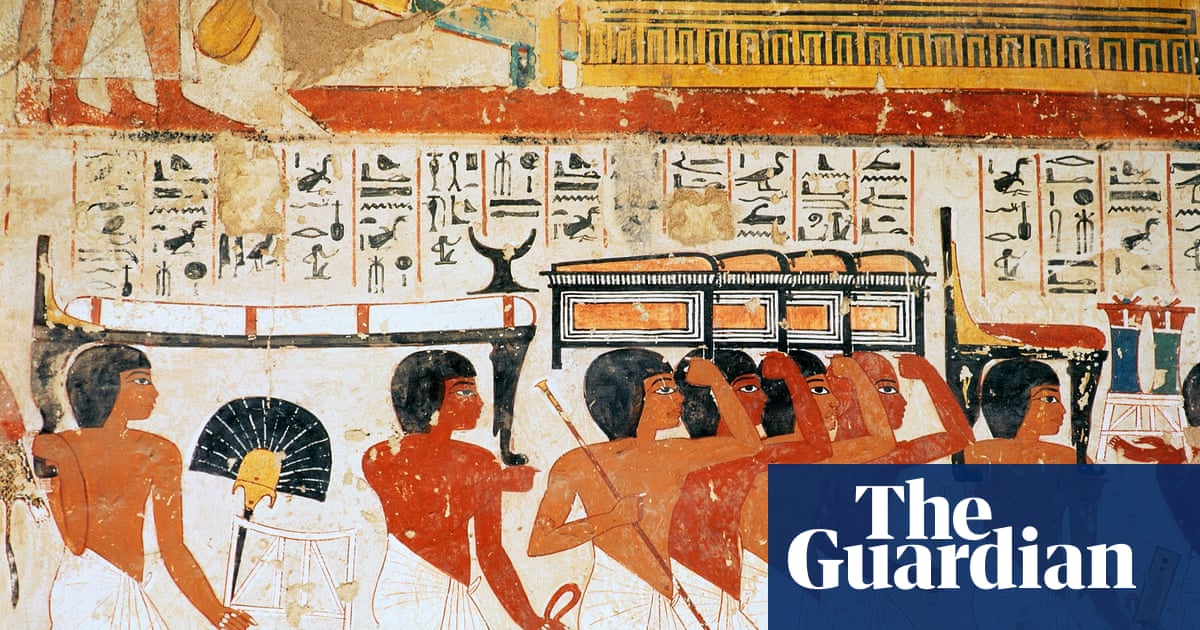
For over a century, the debate surrounding the burial practices of Egypt’s First Dynasty has lingered in the halls of academia, often caught between romanticized notions of loyal servitude and the grim reality of state-sanctioned violence. Now, a groundbreaking study offers a chilling resolution to this historical mystery. New forensic evidence suggests that ancient Egyptian sacrifice was not merely a scholarly theory, but a horrific, practiced reality for the servants and craftsmen surrounding the tombs of early god-kings.
Located near the holy site of Abydos, the cemetery at Umm el-Qa’ab holds the resting places of Egypt’s earliest rulers. Dating back to 3,000 BC, this sprawling necropolis is defined by a central royal tomb surrounded by hundreds of subsidiary graves. These smaller plots, originally identified in the 1920s by the legendary Egyptologist Flinders Petrie, were always suspected of holding the remains of retainers who followed their sovereign into the afterlife. Yet, because Petrie failed to find obvious signs of trauma on the bones, generations of historians remained skeptical, often suggesting the individuals had passed away from natural causes before being reinterred near their master.
The Scientific Evidence of Ancient Egyptian Sacrifice
Dr. Roselyn Campbell of Purdue University has finally challenged this status quo. By applying modern forensic methodologies to the Duckworth Collections at the University of Cambridge, Campbell performed a granular examination of 46 skulls belonging to these mysterious retainers. The results were stark. Among the remains recovered from the enclosures of King Djer, King Djet, and Queen Merneith, 18 skulls displayed clear, potentially lethal trauma. These injuries, ranging from blunt force fractures to a severe chopping wound in the eye socket, bear the unmistakable hallmarks of peri-mortem violence.
This re-evaluation suggests that the violent ends of these servants were likely obscured by the passage of time. Petrie, while a titan of his field, lacked the advanced imaging and forensic tools available today. He likely viewed these skull fractures as post-mortem degradation, failing to recognize that they represented the final, desperate moments of a life ended by human hands. Campbell posits that these injuries were not inflicted by the ceremonial maces often seen in royal iconography, but rather by common, flat objects made of wood or antler. This points to a more industrial, brutal method of execution rather than a stylized, ritualistic smiting.
The Short Life of a Ritualistic Practice
The practice of ancient Egyptian sacrifice did not last long in the grand timeline of the civilization. Records indicate that by the advent of the Second Dynasty, these human sacrifices vanished, replaced by the inclusion of shabti figures, or small statues meant to serve the deceased in the next world. This transition hints at a changing social consciousness or, perhaps, a growing resistance to the physical toll of such funerary rites. The sheer cruelty involved in these burials brings to mind the gravity found in other historical tragedies, such as when researchers investigate the unresolved mysteries of the dead, forcing us to reconcile with the darker impulses of early societies.
Experts like Salima Ikram, a professor at the American University in Cairo, view this as a pivotal development in our understanding of early Egyptian power structures. The potential for coercion cannot be ignored. While some might have believed their service in the afterlife was a spiritual promotion, others were likely terrified of the fate that awaited them. As Dr. Dawn McCormack notes, the reality of these events would have been profoundly gruesome. It forces us to confront the fact that, in the earliest days of Egyptian monarchy, the majesty of the god-king was constructed upon a foundation of blood and, likely, unwilling participation.
This discovery underscores the fragility of historical interpretation. Every artifact and bone carries a story, but it takes the fusion of rigorous scientific inquiry and archival research to strip away the assumptions of the past. As we move forward, the tomb-side stories of these forgotten laborers remind us that, even in the cradle of civilization, the cost of greatness was often paid by those who had the least to say about their own destiny.