
Trump says ‘threat’ led US to pull bombers from RAF Fairford
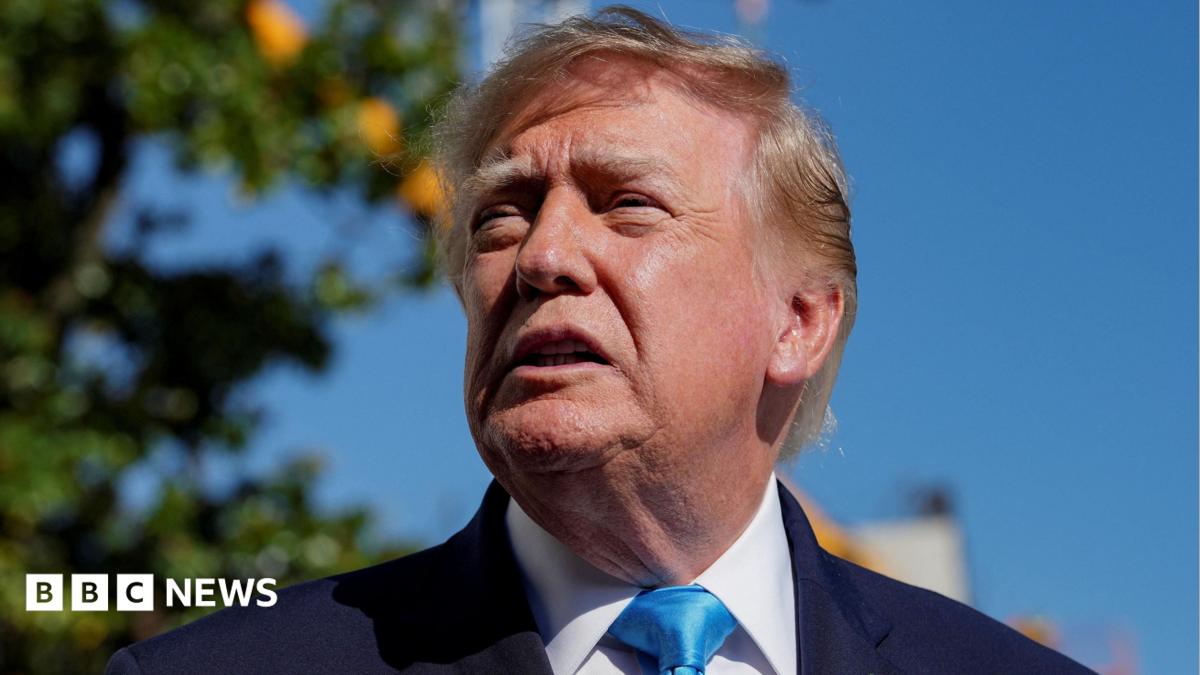
President Donald Trump has officially confirmed that the recent withdrawal of American bombers from RAF Fairford was prompted by intelligence regarding a specific threat against the installation. This decision to pull back the fleet, which reportedly included about a dozen B-1 strategic bombers, marks a significant shift in the operational landscape of the Cotswolds airbase. While the Pentagon originally framed the move as a routine redeployment, the President’s candid remarks have added a layer of gravity to the situation, confirming that an external RAF Fairford threat necessitated immediate defensive action.
The Nature of the RAF Fairford Threat
The movement of these high-value military assets followed a tense incident on September 27, when local police authorities were alerted to the presence of three suspicious vehicles maneuvering in the vicinity of the airbase. Although initial counter-terror investigations resulted in the arrest and subsequent bail of several individuals, the broader geopolitical implications remain under intense scrutiny. Security analysts suggest that the primary concern likely involved potential sabotage or asymmetric strikes, echoing the sophisticated drone tactics seen in conflicts such as modern aerial warfare strategies.
While official sources in London have previously insisted that the site remains secure, citing full confidence in local law enforcement, the discord between American and British narratives is palpable. President Trump notably dismissed the notion that the departure was a standard rotation, stating, "They didn’t fly out by accident. There were some threats." This contrasts sharply with the measured, diplomatic language of Secretary of State Marco Rubio, who preferred to emphasize the routine nature of global military asset repositioning.
The incident at the base serves as a stark reminder of the complexities involved in hosting international military operations. As the official stance remains focused on stability, the underlying tension regarding Iranian involvement continues to simmer. Tehran has vehemently denied any connection to the activities near the Gloucestershire facility, yet the rhetoric from Washington suggests a firm belief that foreign actors are actively seeking to undermine US strategic capabilities.
Operational Impact and Future Outlook
The relocation of the bombers from their forward operating position in the UK naturally impacts the speed at which the US can conduct sorties in the Middle East. Defense experts at the Royal United Services Institute note that while this move reduces the immediate threat level to the aircraft, it forces a shift toward alternative logistics. Potential deployments to Diego Garcia or bases within the Gulf region are currently under evaluation, though such shifts depend heavily on capacity, host-nation negotiations, and persistent security assessments. The current strategic withdrawal signifies that the era of relying solely on traditional forward bases in Europe for Middle Eastern power projection is facing renewed operational challenges.
Ultimately, the saga surrounding the base underscores the volatile nature of global security. Whether the specific intelligence involved a localized attempt at sabotage or a larger, state-sponsored effort to disrupt aerial surveillance and strike capabilities, the decision to clear the tarmac at RAF Fairford is a testament to the heightened state of caution maintained by the current administration. As investigations continue and the geopolitical temperature rises, both nations must reconcile their public messaging to manage the public perception of this significant, albeit temporary, tactical retreat.