
No10 insists UK military base RAF Fairford is safe after US withdraws bombers
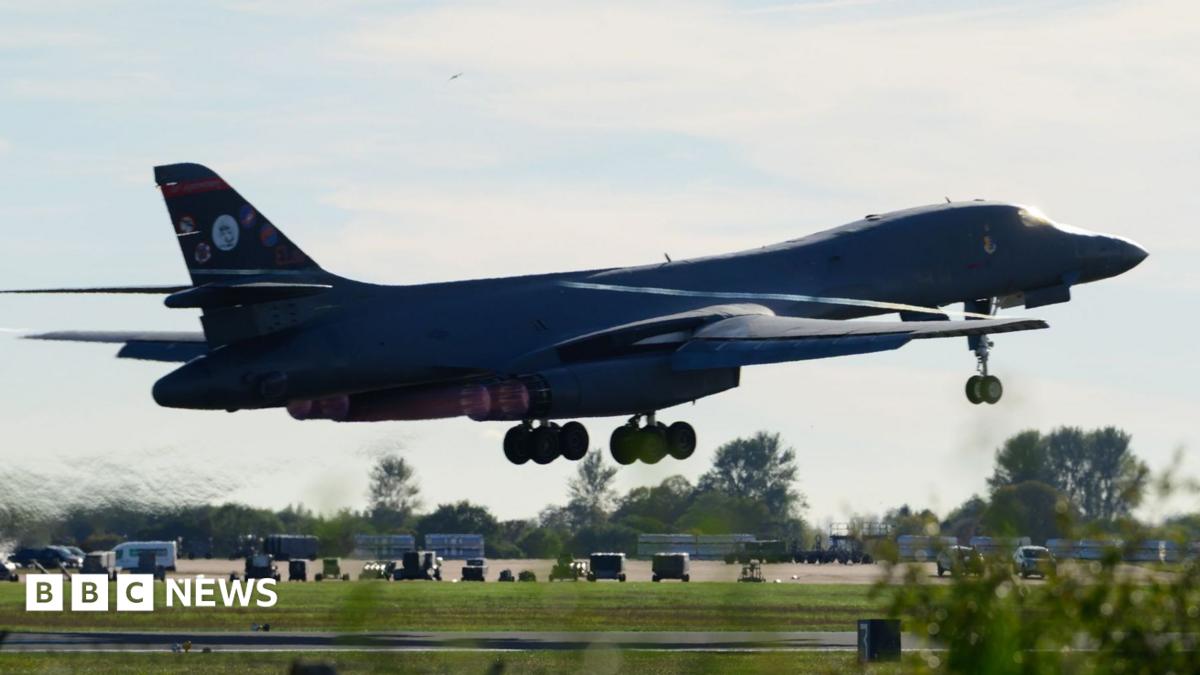
Downing Street is facing mounting pressure as a significant shift in military positioning occurs within the heart of the Cotswolds. The US has officially withdrawn its entire fleet of strategic bombers from RAF Fairford, an action that follows weeks of heightened security concerns and a direct, localized investigation into potential sabotage attempts. While the Pentagon maintains that this redeployment back to stateside stations is part of standard global asset management, the timing has sparked a wave of public unease and political scrutiny.
The Security Implications for RAF Fairford
The situation at the Gloucestershire airbase became dire on September 27 when local authorities were alerted to three suspicious vehicles loitering near the perimeter. This prompted a swift counter-terror police operation, resulting in the arrest of several individuals on suspicion of terror-related offenses. The Royal Air Force base, a critical forward-operating site for the US Air Force, has long been a linchpin in transatlantic defense. However, reports from the New York Times suggest that American commanders received specific intelligence regarding an Iran-backed plot, forcing an immediate, defensive recalibration of their operational footprint.
Despite the official stance of calm from Number 10, the shadow of espionage concerns has become difficult to ignore. Prime Minister Andy Burnham previously alluded to clear foreign involvement, yet the government remains cautious about escalating diplomatic tensions. The departure of the bombers, which local residents described as a constant parade of aircraft taking off one after another, marks a strategic retreat from a forward position that had been instrumental in recent strikes in the Middle East.
The Strategic Trade-Off
Defense experts note that while the US possesses the capability to conduct precision strikes from mainland America, the loss of an advanced base like RAF Fairford creates a significant vacuum. The B-1 Lancer bombers are not merely aircraft; they are finite, strategic assets that represent decades of engineering. Protecting them from asymmetric threats has become a priority that outweighs the convenience of a European foothold. As Ezra Cohen, a former defense official, aptly noted, the move is a prudent measure to preserve a fleet that is increasingly difficult to replace.
For the residents of Whelford and the surrounding Cotswolds, the mood is one of profound relief mixed with lingering anxiety. For months, the base operated at a frantic pace, serving as a launchpad for missions that kept the local community on edge. While some are thrilled by the return of silence to their skies, others feel that the departure of such a massive defensive presence highlights a growing vulnerability in regional security. The government must now reconcile these local fears with the broader, colder reality of global military posturing. Whether this withdrawal is a temporary pause or a permanent shift in how Western forces manage their exposure to external threats remains the central question on the lips of both politicians and the public alike.
As the investigation into the original security breach continues, the silence at the airbase serves as a stark reminder that even the most fortified positions are not immune to the evolving nature of international conflict. The government faces a difficult path ahead in proving that its defensive strategies remain robust enough to deter those who seek to undermine national and global stability.