
SC Quashes HC’s Rs 5 Lakh Compensation Order Against Maharashtra FDA In Pune Sweet Shop Case
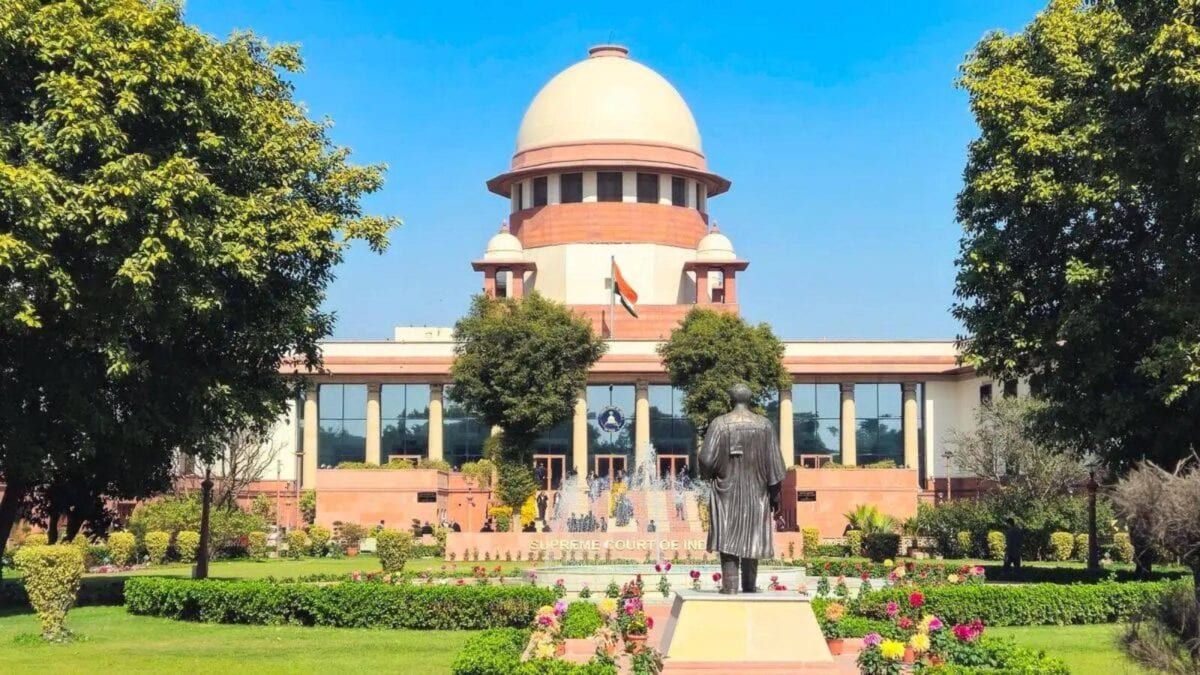
In a significant legal development that reinforces the authority of state regulatory bodies, the Supreme Court has officially set aside a Bombay High Court order that previously required the Maharashtra Food and Drug Administration (FDA) to pay ₹5 lakh in compensation. This high-stakes legal battle centered on a dispute involving a Pune-based establishment, Gurunanak Dairy & Sweets, and has now concluded with the top court affirming that the state’s food safety action was entirely lawful and conducted within the appropriate statutory framework. By nullifying the compensation, the apex court has underscored the necessity of prioritizing public health over individual commercial grievances in regulatory enforcement.
The controversy emerged following a series of inspections in June 2026. Health authorities were alerted by a formal complaint regarding a potential case of food poisoning linked to the dairy. Upon conducting a thorough site visit, FDA officials documented several critical lapses, ranging from poor hygiene standards and inadequate record-keeping to failures in employee sanitation protocols. Furthermore, a specific sample of Malai Pedha was tested and subsequently flagged as unsafe for human consumption, triggering an immediate suspension of the establishment’s license to operate. For more context on the rigors of legal accountability in India, one might look toward the legal precedents set by the Supreme Court in various high-profile regulatory and civil matters.
The Scope of Food Safety Action
The proprietor of the dairy did not take the license suspension lightly. Following the initial enforcement action, the establishment filed a statutory appeal with the FDA Commissioner on June 15, 2026. While the business attempted to rectify the issues, submitting a compliance report by early July, the wheels of justice were already turning in the court system. When the case reached the Bombay High Court, the court initially favored the business owner, revoking the license suspension and awarding the ₹5 lakh compensation, citing business losses. This ruling, however, faced immediate scrutiny from the state government, which maintained that its officers had acted in good faith to protect the public.
During the appeal process at the Supreme Court, the state government presented a compelling defense. Officials argued that the administrative process, while time-consuming, was a necessary component of due process under the Food Safety and Standards Act, 2006. They emphasized that there was no evidence of malice or arbitrary conduct by the inspectors. To understand how such regulatory bodies manage these complex responsibilities, researchers often refer to information provided by official governmental food safety portals for standardized compliance guidelines.
Why the Ruling Matters for Consumers
This decision serves as a pivotal reminder for food businesses regarding the gravity of their obligations. Ensuring food safety is not merely a bureaucratic requirement, but a fundamental public duty. When an establishment is found to have unsafe products, the immediate intervention of an authority like the FDA is not a punishment, but a preventative health measure. The fact that the court rejected the notion that the government should be penalized for executing its mandate is a victory for administrative efficiency. For more insights on regional accountability and civic oversight, you can explore reports on civic issues and police conduct.
Ultimately, the Supreme Court’s decision creates a clear precedent. Future disputes involving regulatory shutdowns will now likely face higher hurdles if the business owner seeks financial damages, especially when the state can prove that public health risks were legitimate. By removing the financial penalty on the FDA, the court has signaled that regulators must be empowered to act swiftly, even if such actions cause temporary financial disruptions to the businesses under scrutiny. The balance between corporate survival and public safety has once again tilted toward the latter, ensuring that citizens remain the primary beneficiaries of rigorous food inspection regimes.