
‘Your Place Is In Jail’: Supreme Court Rebukes Rajpal Yadav In Rs 5 Crore Cheque Bounce Case
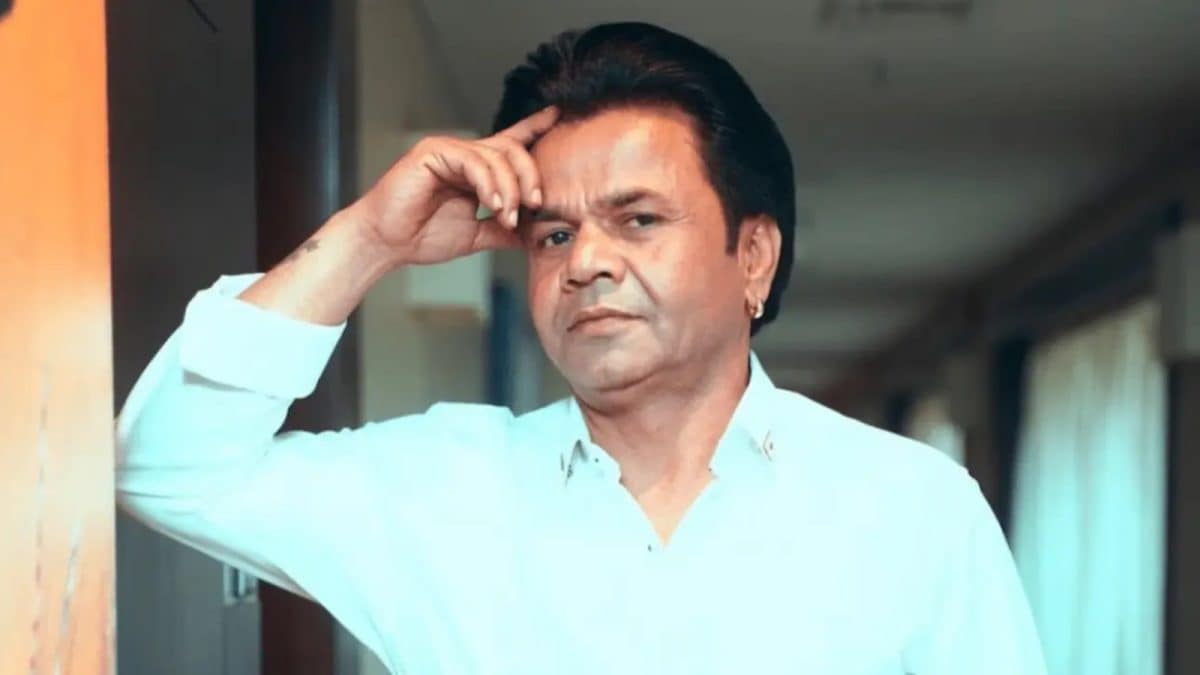
In a stern warning reflecting the gravity of financial non-compliance, the Supreme Court of India recently directed a scathing rebuke toward Bollywood actor Rajpal Yadav. The actor, currently embroiled in a prolonged and contentious legal battle, faced intense scrutiny from the bench for failing to meet a critical court-ordered deadline regarding a Rajpal Yadav cheque bounce case involving Murli Projects.
A bench led by Chief Justice of India Surya Kant, alongside Justices Joymalya Bagchi and V Mohana, expressed deep dissatisfaction after the actor failed to deposit Rs 5 crore as per a previous undertaking. The atmosphere in the courtroom turned tense as the bench questioned the validity of a Rs 50 lakh demand draft presented by the actor’s legal team, leaving the judges to wonder aloud about the authenticity of the claims being made before them.
The Legal Storm Surrounding Rajpal Yadav
The genesis of this legal saga traces back to a failed film production venture that soured between the actor and the private entity, Murli Projects. As detailed in earlier reports, such as those documenting how the political landscape can shift unexpectedly, legal disputes often spiral into complex webs of litigation. In this instance, what started as a simple investment in a creative project devolved into multiple agreements, missed timelines, and eventually, criminal complaints filed under Section 138 of the Negotiable Instruments Act. For a broader context on legal standards, one may consult official legal resources that govern such commercial transactions.
By May 2024, the situation had escalated significantly. A sessions court convicted the actor and handed down a six-month jail sentence. Although the Delhi High Court initially suspended the sentence upon assurances of a settlement, the persistent failure to adhere to court-mandated payment schedules saw the actor return to the legal spotlight. The court noted that multiple extensions were granted, yet the financial obligations remained unfulfilled.
During the recent hearing, Justice Bagchi did not mince words. Addressing the perceived arrogance displayed during the proceedings, the bench remarked that while the complainant might possess greater wealth, they had been left impoverished by the actor’s actions. The court clearly stated, “This arrogance needs to be put in its right place. Your place is in jail.” The judicial frustration stems from a pattern of behavior where the actor provided repeated undertakings to the court but failed to act upon them, testing the patience of the judiciary.
Despite the severe nature of the reprimand, the Supreme Court opted against an immediate dismissal of the appeal. The bench explained that a dismissal might leave the complainant without any path to recover their dues. Consequently, the court balanced the equities, granting one final opportunity for the actor to rectify the situation by ensuring the payment is completed by the upcoming Tuesday.
As this case continues, it serves as a stark reminder of the sanctity of legal undertakings. Similar to the complexities of modern legal challenges, the resolution of this matter hinges on whether the actor can prioritize his obligations over further litigation delays. The legal community and the public alike remain observant, as the Supreme Court has made it abundantly clear that the judicial process is not to be trifled with, and the consequences for failing to honor such commitments will be severe.