
Report of Republicans working with Alberta separatists is ‘concerning,’ says Tory MP
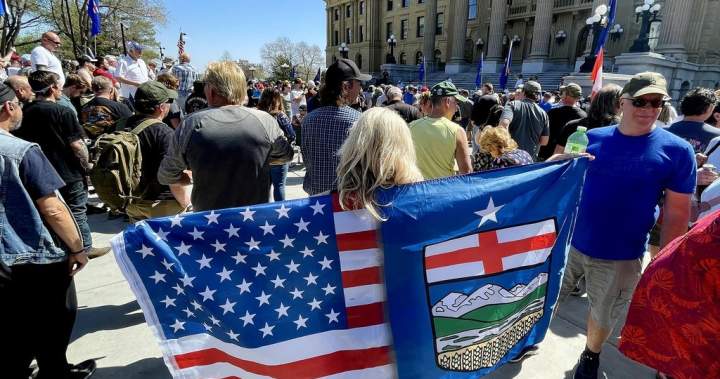
As Alberta approaches a critical juncture in its political history, fresh allegations regarding foreign meddling have sent shockwaves through the nation. The core of the controversy centers on the growing influence of Alberta separatism, which has reportedly drawn the attention of American political operatives. With a binding referendum on legal separation from Canada scheduled for October 19, the stakes could not be higher for the province or the country at large.
The Growing Concern Over Alberta Separatism
Conservative MP Dane Lloyd, who represents the Parkland riding west of Edmonton, has voiced significant alarm regarding reports that local separatist advocates are seeking alliances in Washington. Allegations suggest that these figures have been actively courting American support by offering up Alberta’s natural resources, specifically fresh water and oil, as bargaining chips. For many, this represents an unprecedented betrayal of provincial interests.
Lloyd stated clearly that no individual possesses the authority to trade away the province’s natural wealth. He emphasized that these resources belong to the people, not to any group seeking to undermine the national fabric. This situation is reminiscent of other global political shifts where movements seek external validation to bypass domestic consensus, as seen in complex geopolitical climates like those discussed in recent analyses of international refugee rights. When local political movements trade sovereign assets for foreign backing, the integrity of the democratic process is inevitably brought into question.
The Globe and Mail recently published investigations confirming that Republican political operatives were present in Alberta earlier this year. Their alleged objective was to bolster the separatist cause, providing strategic guidance to those pushing for a departure from the Canadian federation. While officials remain cautious about labeling these interactions as formal foreign interference, the implications for national stability are undeniable.
The Response from Political Leadership
Public Safety Minister Gary Anandasangaree has maintained a measured tone, deferring specific inquiries to CSIS. He reinforced the government’s commitment to protecting democratic events from external manipulation. Ensuring that elections remain free from the influence of foreign actors is a pillar of Canadian sovereignty that remains under intense pressure as the referendum date nears.
Meanwhile, Alberta Premier Danielle Smith continues to face intense criticism. Although she has publicly declared her intention to vote against separation, opponents argue that her administration has not done enough to stem the tide of separatist fervor. This delicate balancing act has left many residents feeling uncertain about the future of their province.
Calgary Mayor Jeromy Farkas has been particularly vocal, condemning the separatist movement for its contradictory approach. He noted the irony in leaders claiming they want to ‘take back control’ while simultaneously begging Washington for aid. According to Farkas, this is not an act of sovereignty but a calculated move to carve up the province for foreign interests. As noted in other international studies on political structures, the loss of domestic control is often a precursor to broader instability.
What Is at Stake?
The upcoming October 19 vote is not merely a regional matter. It threatens to fundamentally alter the relationship between Alberta and the rest of Canada. As the campaign intensifies, the primary question for voters remains whether they are truly seeking autonomy or if they are becoming pawns in a much larger geopolitical game. The involvement of foreign actors serves as a stark reminder that even local issues can become entangled in global ideological battles.
The rhetoric surrounding this movement has become increasingly polarized. Supporters of separation argue that Alberta’s interests are consistently sidelined in Ottawa, whereas critics argue that secession would lead to economic catastrophe and the loss of the protections provided by the federal government. With the revelation of potential ‘deals’ involving oil and water, the debate has shifted from purely economic grievances to questions of national security and betrayal.
Ultimately, the citizens of Alberta will be the ones to decide their fate. However, the presence of foreign political operatives casts a long shadow over the proceedings. Whether this influence will sway the final vote remains to be seen, but the fallout will undoubtedly be felt for generations to come. As the political temperature rises, all eyes remain on the province to see if it will prioritize its position within the federation or pursue a risky, uncharted path supported by foreign allies.