
Guardian readers fund life-changing surgery for Somali boy injured in US airstrike
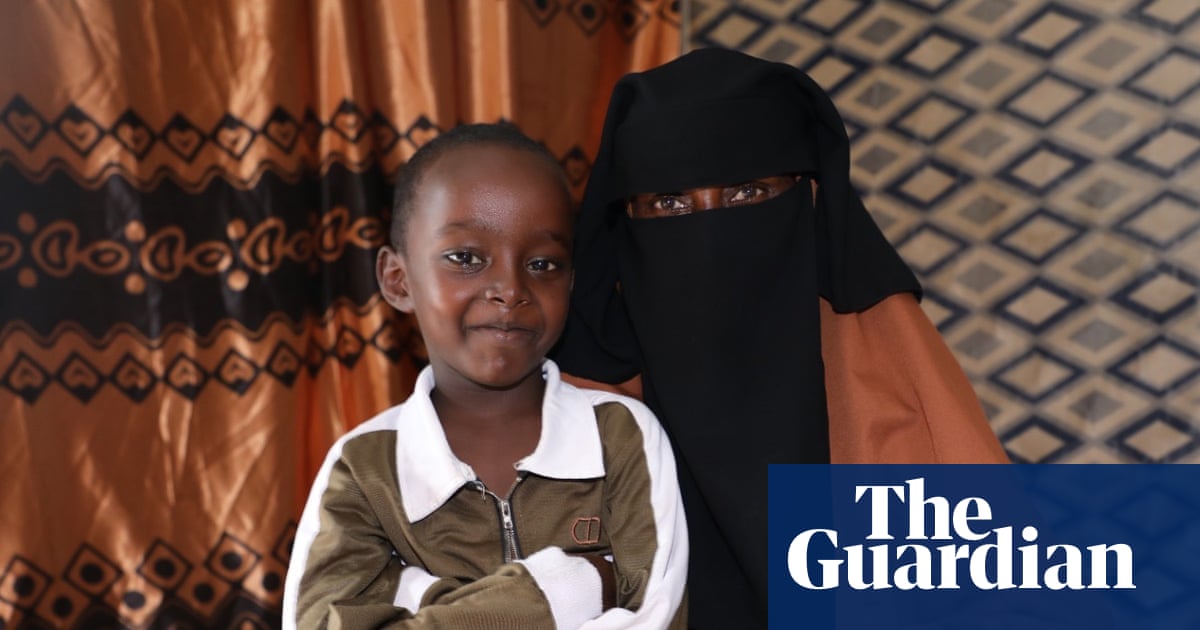
In a powerful display of international solidarity, a Somali boy named Abdiqadir Salah has finally received life-changing surgery, thanks to the generosity of global citizens who stepped up to fund his recovery after he was injured in a US airstrike. The seven-year-old had been suffering for nearly a year with shrapnel lodged in his back after a military drone attack in the village of Jamaame claimed the lives of twelve civilians, including eight children. This act of global aid highlights the real-world impact of investigative reporting on vulnerable populations caught in conflict.
For nearly ten months, the young boy’s family lived in limbo in Mogadishu. His mother, Marian Haji Abdi Guled, faced the heartbreaking reality of having a son in desperate need of medical intervention but lacking the financial resources to provide it. The injuries were not just physical; they were a constant reminder of the day their lives were permanently altered. Doctors warned that without surgical removal of the metallic fragments, Abdiqadir faced the terrifying prospect of losing his ability to walk.
The Impact of Global Aid
The turning point for the family came when an investigative piece brought international attention to the plight of victims like Abdiqadir. Readers from around the world responded immediately to the call for help. Within a matter of hours, a crowdfunding initiative raised enough capital not only for the delicate surgery required to remove two pieces of shrapnel but also to cover the ongoing rehabilitation and medical costs for his siblings. This influx of global aid effectively saved the child from permanent disability, providing a rare beacon of hope in a region plagued by instability.
The surgery itself was fraught with complexity. During the procedure at Kaafi Hospital, Guled endured hours of agonizing uncertainty. She described the harrowing experience of hearing other patients recover while she waited for word on her son. Eventually, doctors emerged with news that while two shards had been successfully extracted, a third piece remained near a sensitive nerve. They determined that removing it was too dangerous, as it carried a high risk of causing paralysis. Fortunately, Abdiqadir is now pain-free and showing remarkable signs of recovery.
Despite the medical success, the geopolitical implications of the strike remain unresolved. Research documented by New America indicates that drone strikes in the region have continued unabated throughout 2026. This persistent military presence keeps families like Guled’s in a state of constant fear. The lack of accountability from the US military regarding target selection continues to frustrate survivors. For Guled, the goal now is safety and justice. She plans to relocate her family to Kismayo, a city that has remained outside the direct path of these airstrikes, while continuing to call for transparency from those who authorized the attack on her home.
The story of Abdiqadir serves as a stark reminder that behind every statistic in a report on drone warfare, there is a human face. While the medical intervention provided by strangers has secured the boy’s future mobility, the scars of the conflict run deep. As the international community watches, the family continues to demand answers, hoping that their story will prevent other children from facing the same devastating fate.