
Growing outrage in Japan after US Marine arrested in woman’s killing
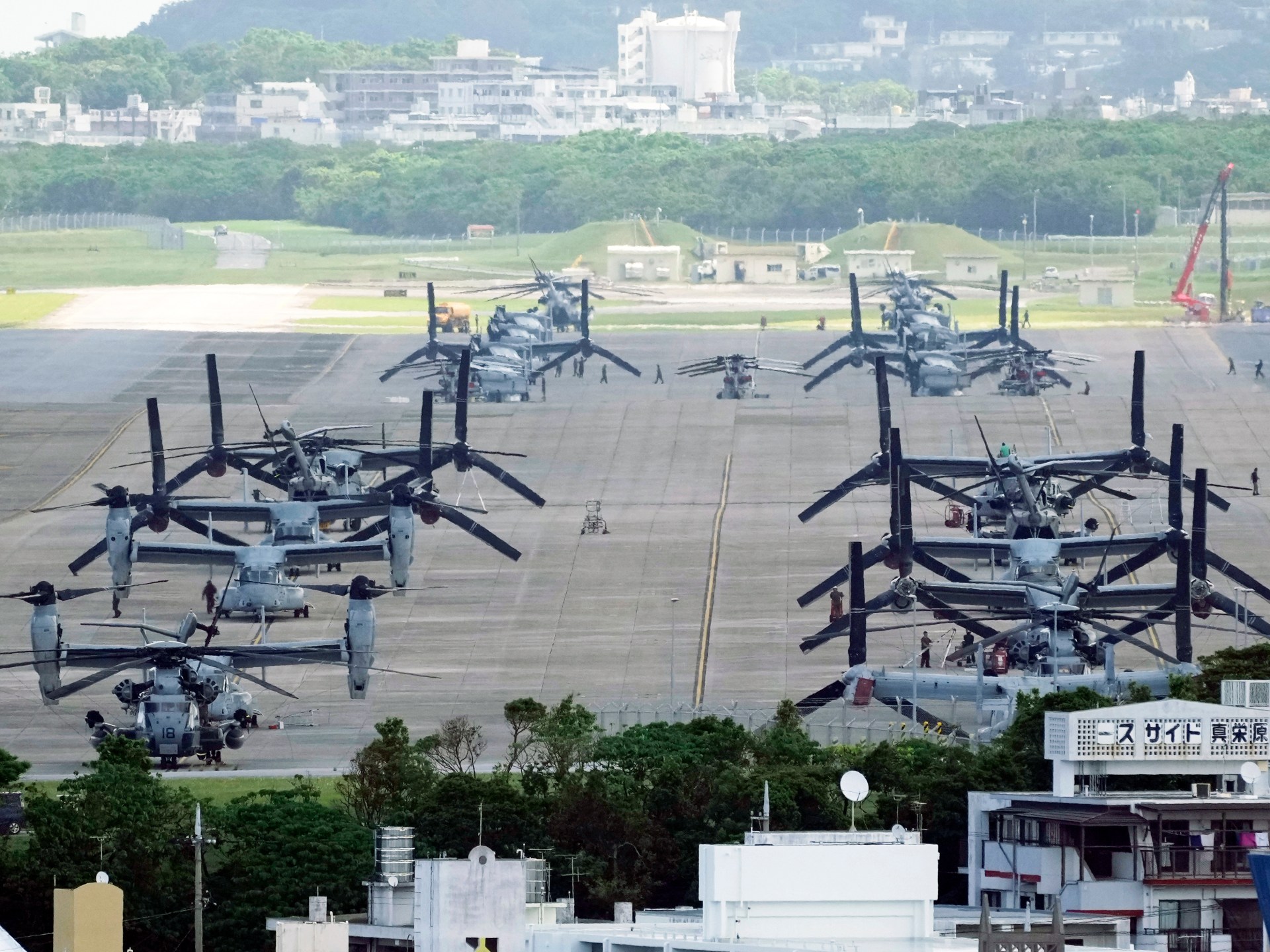
A wave of profound indignation is surging across Japan following the arrest of a US Marine in connection with the tragic killing of a 39-year-old woman in Naha. This latest incident of a US Marine arrested has reignited long-standing tensions surrounding the presence of American military personnel on the island of Okinawa. Japanese Prime Minister Sanae Takaichi has publicly condemned the event as a heinous crime, demanding that the United States government take immediate and decisive action to enforce stricter discipline among its troops.
The suspect, a 20-year-old service member, is currently facing serious allegations regarding the death of the woman, whose body was discovered in a local hotel room. Police reports suggest the victim was strangled, and the suspect is also accused of stealing her wallet. While the individual in custody has officially denied the charges, the gravity of the accusations has prompted an immediate diplomatic response. The Japanese government has wasted no time, summoning the US ambassador and the top commander of American forces in Japan to express their unequivocal dissatisfaction with the persistent behavioral issues linked to foreign military personnel.
The Long History of the US Marine Arrested Crisis
For decades, Okinawa has hosted the bulk of the 54,000 US military personnel stationed within Japanese borders. Since the island reverted to Japanese control in 1972 after the conclusion of World War II, the local populace has grappled with the complex reality of hosting such a massive foreign footprint. Incidents ranging from traffic offenses to violent crimes have unfortunately become a recurring flashpoint, leading many residents to question the necessity of such a heavy military concentration. According to the Yomiuri Shimbun, approximately 6,000 US military personnel have faced arrest in Japan since the island’s return, a statistic that underscores the scale of this systemic friction.
The public sentiment on the ground is reaching a boiling point. In cities like Naha and even in the capital, Tokyo, citizens have gathered in protest to voice their collective grief and anger. One demonstrator, 24-year-old university student Sorane Sakihama, expressed the feeling of helplessness felt by many locals who believe their safety is being compromised. She questioned the very purpose of the military presence, asking how a mission intended to protect lives can be reconciled with the loss of a local resident at the hands of a soldier. This disconnect between diplomatic security objectives and the daily realities of Okinawan residents remains a major point of contention.
Chief Cabinet Secretary Minoru Kihara, who is tasked with navigating the impact of the US base presence, emphasized that Tokyo is maintaining pressure on American authorities at every possible level. While the US military often cites the need for strategic stability in the region, the recurring nature of these incidents complicates the bilateral relationship. As the legal proceedings move forward, the case serves as another stark reminder of the social costs associated with hosting overseas bases. In recent times, other high-profile legal issues involving foreign military or public figures, such as the US Marine arrested in Japan for alleged murder of a woman, have only added fuel to the fire, highlighting a desperate need for reform and accountability.
Ultimately, the cries from protesters demanding to know how much longer they must endure these circumstances resonate throughout the island. Whether through increased oversight, more rigorous military training, or a fundamental reassessment of personnel policy, the status quo is increasingly becoming untenable for the Japanese public. The government faces a delicate balancing act, attempting to honor its security alliances while simultaneously fulfilling its primary duty to protect its own citizens from harm. With the investigation ongoing, the world watches to see if this incident marks a turning point for military discipline in Japan.