
Beluga rescued from closed Ontario park dies in California
Introduction & Key Takeaways
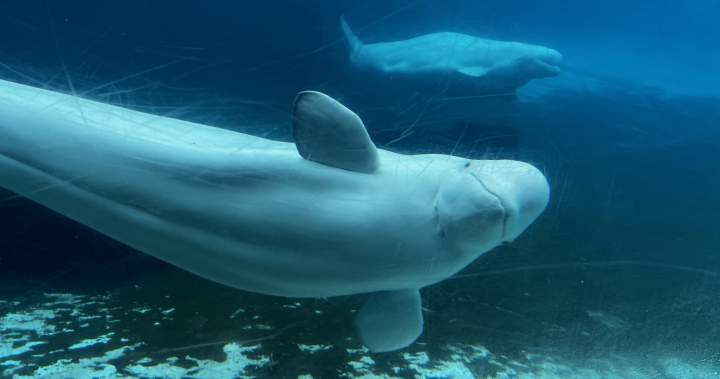
The tragic death of Cyprus, a nine-year-old male beluga whale at SeaWorld San Diego, marks yet another somber development following the mass relocation of marine mammals from Canada. The recent death of a beluga death, a trend that is unfortunately becoming common, has sparked international concern regarding the long-term viability of relocating aging or captive-born animals. This explainer examines the logistical, biological, and ethical complexities surrounding these transfers.
- Cyprus is the latest in a series of deaths following the closure of the Marineland facility in Ontario.
- Biological experts note that cetaceans are highly susceptible to stress, which can mask pre-existing health conditions until they become critical.
- The relocation involved dozens of animals, highlighting the massive logistical burden on international marine parks.
Background & Context (What Just Happened?)
Following the closure of Marineland in Niagara Falls, Ontario, due to mounting financial insolvency, a desperate effort was launched to rehome 30 beluga whales and four dolphins. These animals were moved to various high-profile marine parks globally, including facilities in the United States and Spain. The transfer was marketed as a humanitarian necessity, aiming to provide better care than what the struggling Canadian facility could offer. However, the subsequent weeks have been marked by a cluster of fatalities that have drawn sharp scrutiny from animal welfare advocates and marine biologists alike.
Root Cause & Deep Dive Analysis (Why Did This Happen?)
The primary challenge in moving these animals is the inherent sensitivity of belugas. According to the National Oceanic and Atmospheric Administration, cetaceans require highly specialized environments. When animals are moved, even under professional supervision, the change in water chemistry, social dynamics, and the physical stress of transport can exacerbate chronic issues. In the case of Cyprus, despite initial signs of health, ultrasound scans revealed digestive system failure. This follows a tragic pattern observed in other specimens, where pre-existing, non-visible conditions were only uncovered during post-mortem investigations. This situation is reminiscent of other complex organizational crises that often leave stakeholders searching for accountability, much like the broader questions surrounding public safety and institutional failure discussed in recent analyses on failed health protocols.
Strategic Implications & Future Impact (What Does This Mean Globally?)
The beluga death crisis is forcing marine parks to reconsider the ethics of large-scale relocations. There is a growing consensus that the “rescue” model faces significant hurdles when applied to captive-born populations. These animals often lack the survival skills for the wild, yet the stress of moving between urban aquariums proves fatal. The global industry is now at a crossroads, needing to balance the desire to close failing facilities with the moral imperative to ensure the survival of the animals left behind. Without standardized, international protocols for the transportation of marine mammals, similar tragedies are likely to continue as other aging facilities face closure.
Conclusion & What to Watch Next
As necropsy results for Cyprus are finalized and shared with regulatory bodies, the scientific community expects a deeper dive into whether these deaths are coincidental or symptomatic of a systemic failure in the relocation process. Observers must watch for future reports regarding the remaining belugas currently under monitoring. The incident serves as a stark reminder that animal management, especially concerning endangered or sensitive species, requires more than just logistical movement. It requires a long-term investment in physiological stability, which, in the case of a recent beluga death, proved tragically insufficient.