
Gold falls amid rising oil prices and higher US dollar
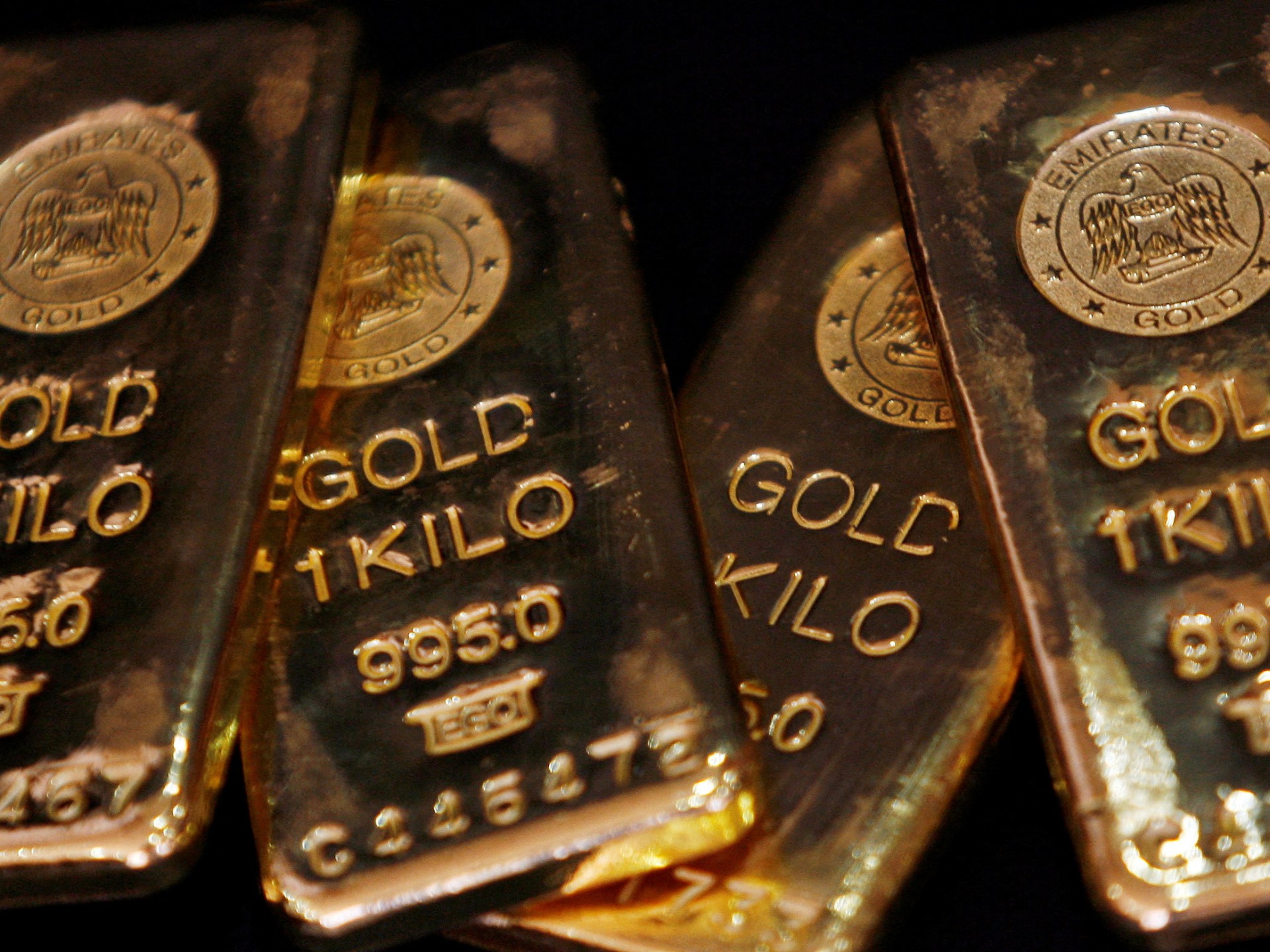
Financial markets are currently facing a turbulent landscape as Gold Prices experience a significant downturn, reaching a seven-week low. As geopolitical tensions escalate, particularly regarding the ongoing conflict between the United States and Iran, investors are recalibrating their portfolios. The precious metal, long considered a safe haven, has struggled to maintain its value in the face of a strengthening US dollar and climbing treasury yields.
On Monday, spot gold prices plummeted by 3.3 percent, settling at $4,146.51 per ounce. This marks a concerning milestone, as it represents the lowest valuation since early August. The ripple effect was immediate, with silver, platinum, and palladium also recording substantial losses. Silver specifically saw a sharp decline of nearly 5 percent, leaving market analysts to question the immediate future of precious metals as inflationary pressures continue to grip the global economy.
Understanding the Volatility in Gold Prices
The core of this market shift lies in the inverse relationship between interest rates and non-yielding assets like gold. While traditional economic theory suggests that gold acts as a hedge against inflation, the current reality of rising interest rates has significantly dampened its appeal. When government bonds and other treasury instruments offer higher yields, the opportunity cost of holding gold becomes too great for many institutional investors.
Sherif Othman, CEO of the Maryland-based Poise Investment Advisors, highlighted the nuance of this situation. While the average consumer may not feel the direct impact of these fluctuating Gold Prices in their daily grocery bill, the shift is devastating for those who viewed the metal as a primary stabilizer during times of economic uncertainty. The Federal Reserve’s recent decision to hike benchmark interest rates, coupled with the potential for further increases, has effectively created a challenging environment for bullion.
The macroeconomic picture is further complicated by oil prices, which have spiked roughly 3 percent. This increase follows the rejection of an Iranian diplomatic overture intended to reopen the Strait of Hormuz. As energy costs climb, the threat of sustained inflation becomes more pronounced, forcing central bank officials to reconsider their monetary trajectory. Cleveland Fed President Beth Hammack has been among those vocalizing the necessity of maintaining higher rates to combat these persistent risks.
A Perfect Storm for Investors
Market analysts are currently describing the confluence of these events as a perfect storm. The strengthening US dollar—often viewed as the primary rival to gold—has remained steady near a two-month high. When the greenback gains strength, commodities priced in dollars become more expensive for international buyers, which suppresses demand and puts downward pressure on valuations. This is a common phenomenon in global trade, which you can learn more about by reviewing international market reporting.
The outlook remains uncertain as long as the geopolitical situation in the Middle East continues to impact fuel supply chains. If the volatility in energy markets persists, it will likely continue to stoke inflation, further influencing Gold Prices in the coming quarter. Investors are now watching the Federal Reserve closely, as every signal from policymakers regarding future rate hikes serves as a barometer for how much further these metals might fall.
In the broader context of the current administration’s foreign policy, the rejection of the Iran deal serves as a reminder of how quickly political decisions can translate into financial volatility. As world leaders weigh the risks of economic isolation against diplomatic compromise, the financial markets—and specifically the commodities sector—remain on edge, waiting for any sign of stabilization in the months ahead.