
US air force removes all bombers from British military base RAF Fairford
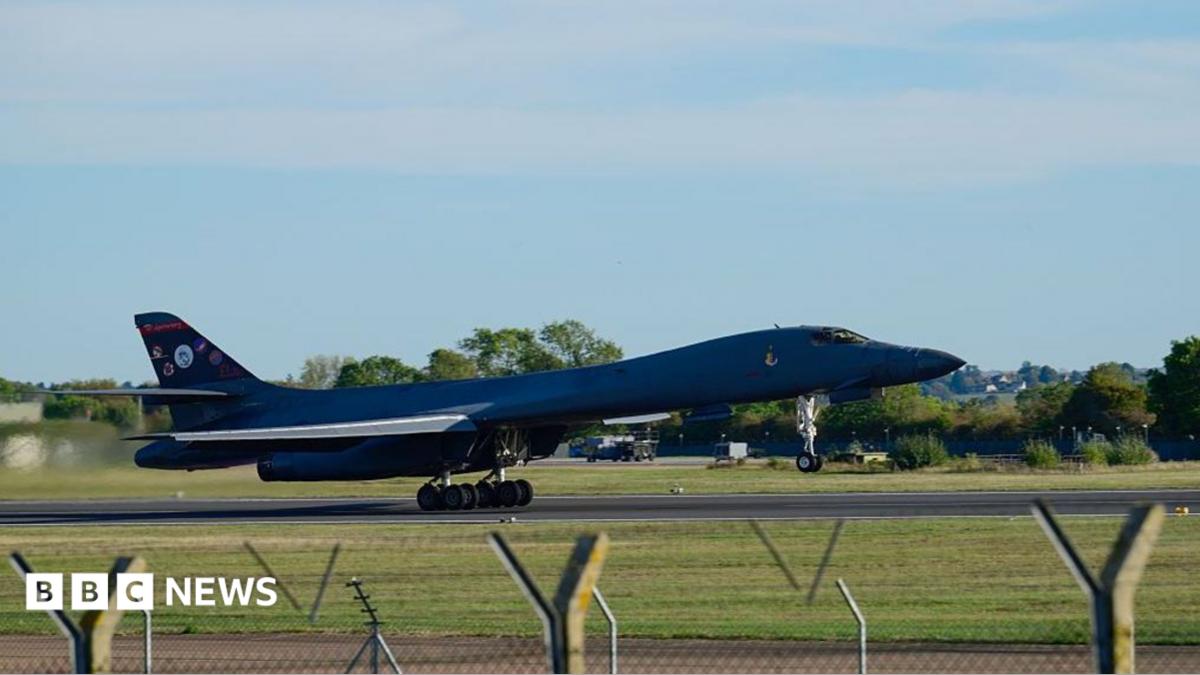
In a move that has sent shockwaves through the international security community, the United States has officially withdrawn all of its heavy bomber fleet from RAF Fairford. This strategic retreat from the historic UK base comes in the wake of a highly sensitive and ongoing counter terror investigation, casting a long shadow over military operations in the region. The sudden departure of these assets, primarily the formidable B-1 Lancer fleet, marks a significant shift in operational posturing, as detailed in recent global defense reporting.
The Strategic Impact of the RAF Fairford Departure
The withdrawal was confirmed on Sunday, with approximately a dozen B-1 Lancers returning to their home stations across the United States. While Pentagon officials have been tight-lipped regarding the specific catalyst for this redeployment, industry analysts suggest the decision is directly linked to a security breach involving three suspicious vehicles detected near the perimeter of the Gloucestershire facility on September 27. The incident triggered an immediate, high-priority investigation, leading to the apprehension of six individuals linked to various suspected terror offences.
The suspects, who remain under investigation, were initially released on bail, a decision that drew intense scrutiny from high-ranking officials. President Donald Trump expressed palpable frustration regarding the release of these individuals, stating that American intelligence possessed comprehensive data on the group. This development has further complicated the diplomatic landscape, especially given the involvement of a UK-Iranian national in the proceedings. The unfolding investigative complexity has forced a reevaluation of security protocols for foreign assets stationed on British soil.
Operational Realignment and Global Security
RAF Fairford has historically served as a critical forward operating base, facilitating long-range reach for the US Air Force. In recent months, the facility played a pivotal role in housing bombers tasked with potential defensive operations concerning Iran. Following the geopolitical friction of the summer months, the base became a central node for aircraft armed with advanced, precision-guided munitions, including bunker-busting bombs capable of neutralizing heavily fortified targets. The logistical coordination required for these missions often spanned 15 hours of flight time, supported by extensive mid-air refueling.
Despite the physical withdrawal, the Pentagon remains adamant that its air superiority is not compromised. A military spokesperson confirmed that the USAF maintains the capability to conduct missions anywhere and at any time, emphasizing that current and future operations can be launched directly from the continental United States. This declaration aims to mitigate fears that the departure from the UK signifies a reduction in combat readiness or a change in policy toward key geopolitical adversaries.
As the investigation continues to unfold, the absence of the bombers from RAF Fairford serves as a stark reminder of the fragile balance between global force projection and local security mandates. The UK Ministry of Defence has remained remarkably quiet, opting not to issue formal comments on the specific logistics of the US withdrawal. Meanwhile, the international community continues to monitor the situation, as the intersection of localized terrorism threats and large-scale military strategy remains a topic of intense debate among security experts and political leaders alike. The coming weeks will likely reveal more about the long-term impact on the US-UK defense partnership.