
Right-wing Flávio Bolsonaro wins first round of Brazil election
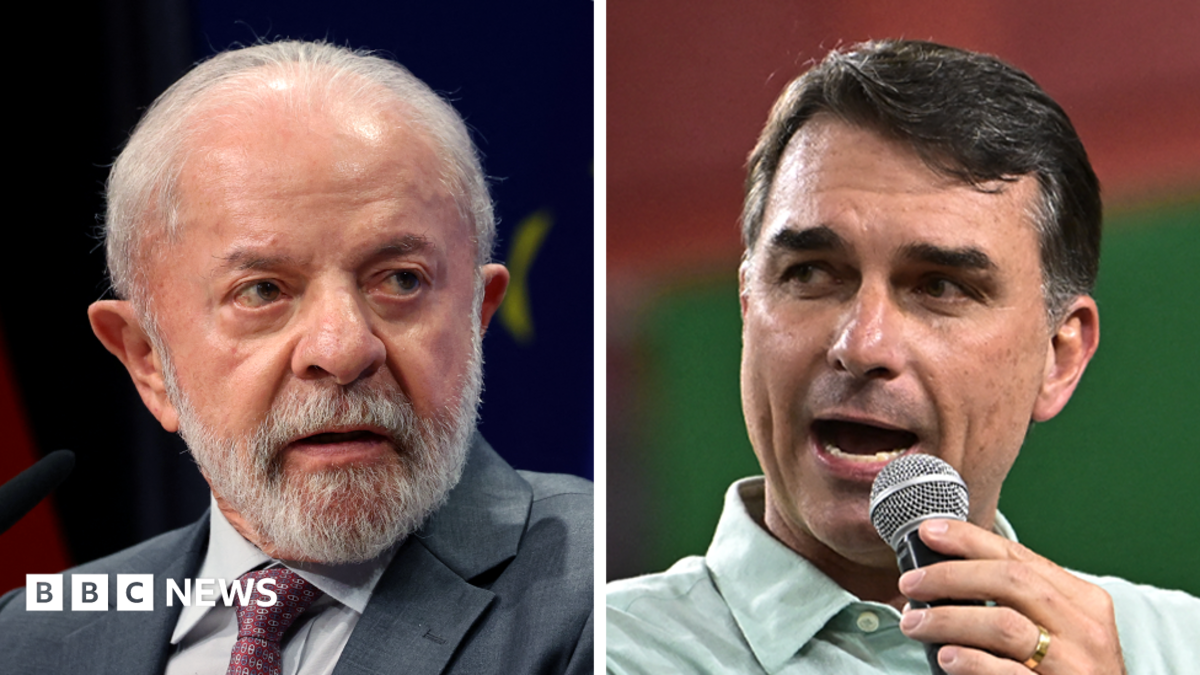
In a political development that has stunned observers across the globe, the recent presidential contest in South America’s largest nation has entered a high-stakes second phase. Flávio Bolsonaro, the son of the imprisoned former president, has emerged as the frontrunner after a decisive first round. The current results indicate that the Brazil election is now a dead heat, setting the stage for a dramatic run-off scheduled for October 25. While incumbent President Luiz Inácio Lula da Silva remains a formidable political heavyweight, the momentum currently rests with the right-wing challenger.
The electoral landscape in Brazil has become intensely polarized. Candidates are clashing over fundamental visions for the future, ranging from economic policy to national security. With nearly all votes tallied, Flávio Bolsonaro secured 47 percent against Lula’s 45 percent. This outcome surpassed the predictions of most pollsters, who had expected a much tighter race or an outright victory for the veteran left-wing leader. Analysts suggest that the consolidation of right-wing votes has provided the Bolsonaro campaign with significant leverage heading into the final weeks of the campaign season.
The Stakes of the Brazil Election
The broader implications of this Brazil election extend far beyond domestic borders. Many neighboring nations have recently shifted toward right-wing administrations that maintain close ties with the Trump administration. Observers at the BBC are closely monitoring whether Brasília will align itself with this emerging regional coalition. For Lula, the contest represents a fight to preserve his legacy, while for Flávio, it is an opportunity to grant amnesty to his father and the supporters linked to the historic unrest that followed the 2022 defeat of the Bolsonaro family.
The campaign has been defined by deeply personal and systemic controversies. A massive financial fraud scandal involving a jailed banker has touched senior figures across the entire political spectrum, eroding public trust. Furthermore, security remains a top priority for the electorate. While official homicide rates have shown improvement in recent years, visible street crime and drug trafficking continue to distress urban populations. Bolsonaro has championed a security platform modeled after strict, maximum-security policies seen elsewhere in Latin America, pledging to designate gangs as terrorist organizations.
Economic Visions and Social Welfare
At the heart of the divide are two distinct economic philosophies. Lula has long relied on his signature social welfare programs to maintain his base among low-income voters and those in the impoverished northeast region. These initiatives, which prioritize education and basic health services, are credited with pulling millions of citizens out of extreme poverty. Conversely, the opposition has advocated for strict fiscal discipline. Flávio Bolsonaro’s economic platform emphasizes a public debt ceiling, substantial government spending cuts, and an overhaul of current social programs to favor a more liberalized, market-driven approach that includes developing the country’s critical minerals sector.
As both candidates pivot to the final stretch of the Brazil election, the rhetoric is expected to grow more heated. Lula has characterized the choice as a battle between democratic stability and what he describes as barbarism. Meanwhile, his opponent maintains that he is the candidate tasked with liberating the nation from corruption and economic stagnation. For many voters, this decision is not merely about choosing a president, but about determining the fundamental direction of the national soul.
The international community is watching with bated breath. Accusations of foreign interference, which both the government and independent electoral bodies have struggled to address, have injected a layer of suspicion into the process. Whether the final result leads to a shift in regional power dynamics or a continuation of existing social policies, the 25th of October will mark a definitive turning point for the nation. As the candidates enter this final period of intense campaigning, both have pledged to work tirelessly to secure the undecided voters who will ultimately determine who leads the largest economy in South America.