
The Church of England has taken a long-overdue step on Palestine
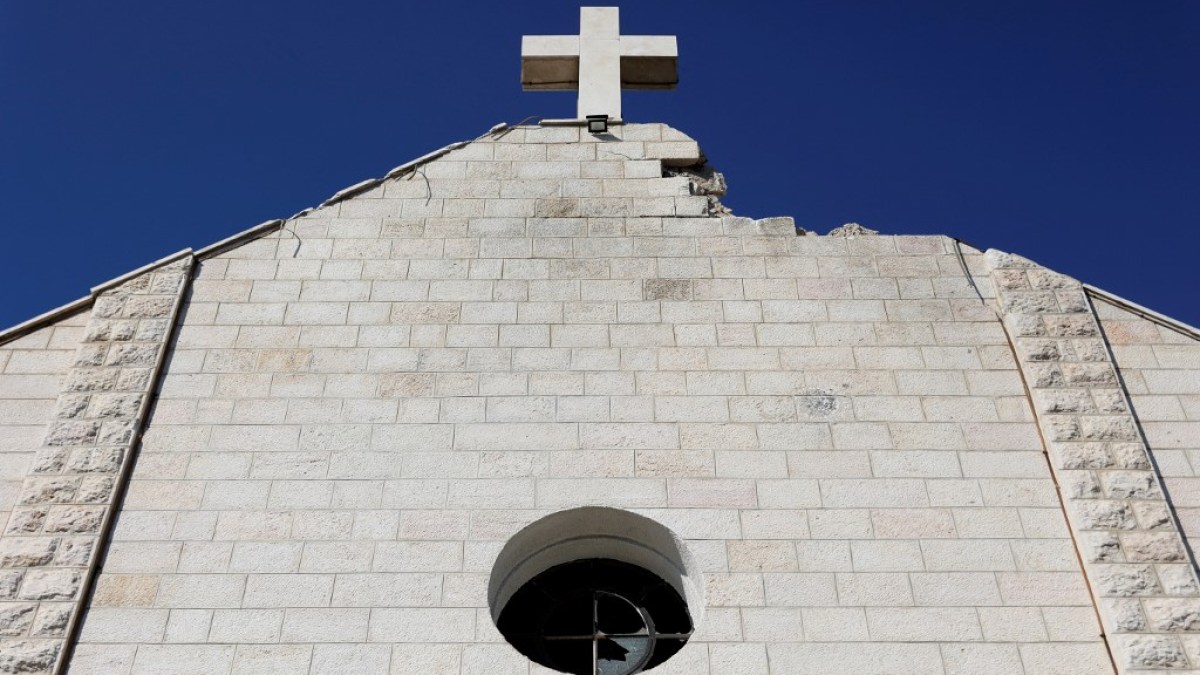
In a truly pivotal moment, the General Synod of the Church of England has declared its intent to engage profoundly with the impassioned appeals of Palestinian Christians. This significant development marks a long-overdue shift in the Church of England Palestine policy, signalling a newfound willingness to confront its historical responsibilities and the unfolding humanitarian catastrophe in the Holy Land. An overwhelming majority of bishops, clergy, and laity cast their votes, committing the Church to seriously consider major statements, including the impactful Kairos Palestine II document.
Beyond merely listening, the Synod also urged a thorough review of the Church’s investments in light of the International Court of Justice’s Advisory Opinion on the Occupied Palestinian Territory. This decisive step calls for renewed efforts towards a just and lasting peace for both Palestinians and Israelis, injecting a crucial moral voice into an increasingly complex international landscape. It represents a dramatic departure from previous engagements, embracing a more direct and candid language regarding the realities on the ground, especially in the wake of the devastating conflict in Gaza.
A New Chapter for Church of England Palestine Relations
Predictably, this resolution ignited a firestorm of criticism from several pro-Israel organizations and leaders, both within the United Kingdom and internationally. The Board of Deputies of British Jews, among others, swiftly accused the Church of enabling antisemitism or jeopardizing Christian-Jewish relations. Their objections largely mirrored familiar patterns, targeting the Church’s willingness to acknowledge documents that starkly critique Israeli policies.
Yet, these familiar tactics are rapidly losing their persuasive power. They demonstrably ignore the growing chorus of diverse opinions, even within Jewish communities worldwide, concerning the grim realities unfolding in Gaza. Such blanket accusations risk diluting genuine efforts to combat antisemitism across Britain and Europe by conflating legitimate critiques of state policies with animosity towards Jewish people. More troubling still, the Board’s immediate response seemed to betray greater outrage over the Church’s decision to listen to Palestinian Christians than over the unspeakable suffering consuming Gaza itself. The Synod, it must be stressed, did not endorse or adopt the Kairos documents; it simply resolved to engage with them seriously. That such a modest act could provoke such fierce opposition raises profound questions about moral priorities, suggesting a greater concern for policing ecclesiastical language than for confronting the undeniable tragedy of the conflict.
The patronizing dismissal of Palestinian Christian testimony as mere “pain” is equally disturbing. We are not merely expressing personal feelings; we are bearing witness to a meticulously documented reality. Reports from United Nations bodies, international legal experts, humanitarian organizations, journalists, medical professionals, and even Israeli Jewish scholars have painstakingly detailed the immense devastation and grave violations occurring daily. To reduce this vital testimony to an expression of “pain” cruelly diminishes both its substance and its urgent call for justice. It’s deeply disappointing that an organization so often championing dialogue appears unwilling to seriously engage with this overwhelming evidence or the direct accounts of Palestinian Christians. Authentic dialogue cannot commence by discrediting the lived experience of one of its participants.
The UK’s chief rabbi also weighed in, criticizing both the Kairos document and the Church. At a time when Gaza’s civilians endure unimaginable suffering, children continue to perish, and humanitarian aid remains tragically insufficient, one might hope such prominent moral authority would be directed towards ending the violence, securing unrestricted aid, and demanding accountability, rather than attempting to police the language of religious bodies. It is imperative to remember that neither the Board of Deputies nor the chief rabbi speaks for all Jewish people. Indeed, Jewish Voice for Liberation publicly welcomed the Synod’s decision, urging the Church to heed the Palestinian Christian plea, not dismiss it. This reflects a broader truth: a surging tide of Jewish voices, religious and secular, globally and within Israel, are actively opposing the destruction of Gaza and vocally criticizing Zionism and Israeli government policies. These voices, alongside those of Palestinian Christians, deserve our careful attention.
The Synod’s long-awaited commitment to hear Palestinian Christians, including Kairos Palestine II, did not emerge from a vacuum. For years, Palestinian Christians have steadfastly engaged with Church of England leaders. Successive Archbishops of Canterbury and other senior figures have visited the Holy Land, met with our communities, and witnessed firsthand the stark realities of military occupation and, more recently, the horrors in Gaza. Having seen these realities and heard our testimony directly, it would have been morally and pastorally indefensible to ignore our desperate cry. This decision also sits within a broader historical context; the Church of England, much like British society, cannot escape the lasting legacy of Britain’s role in Palestine. The Balfour Declaration, the British Mandate, and certain restorationist theological interpretations all contributed to an environment that facilitated the dispossession of the Palestinian people. Many within the Church historically viewed the Zionist project sympathetically, often neglecting the rights and experiences of the indigenous Palestinian population. Against this backdrop, the Synod’s vote represents an important, if overdue, willingness to hear Palestinian Christians and squarely reckon with a history in which the Church has at times been complicit through its theology, its silence, and its ingrained assumptions.
This vote courageously engages with one of the defining moral issues of our era. It’s not merely about responding to Palestinian Christians; it’s about answering profound questions resonating across British society. Hundreds of thousands have marched, debated, and wrestled with the unfolding events in Gaza. Palestine has become a pressing public, political, and moral concern. The Church cannot remain silent or detached if it genuinely seeks to speak meaningfully to the society it serves. Far from being controversial, this is precisely the Church’s calling: to confront difficult moral questions with unwavering honesty, profound humility, and unyielding courage. My fervent hope is that the Church of England will now meticulously study these vital documents, fully embrace the testimony of Palestinian Christians, and seriously engage with the escalating legal, theological, and humanitarian evidence emerging from Gaza.
Palestinian Christians are now articulating the urgent need for a “theology after Gaza.” Business as usual is simply not an option. Something fundamentally must change. In Kairos Palestine II, we have delineated precisely where this transformation must occur: within theology itself, in public witness, and through unwavering solidarity. This vote, I pray, marks the nascent stages of that essential journey – a pilgrimage towards a theology, a public witness, and a discipleship that remains steadfast and credible in the harrowing aftermath of Gaza. To understand the legal complexities underpinning this discussion, one might consult various international legal advice related to the occupied territories.