
Trump-GCC Summit in New York: What does each side want?
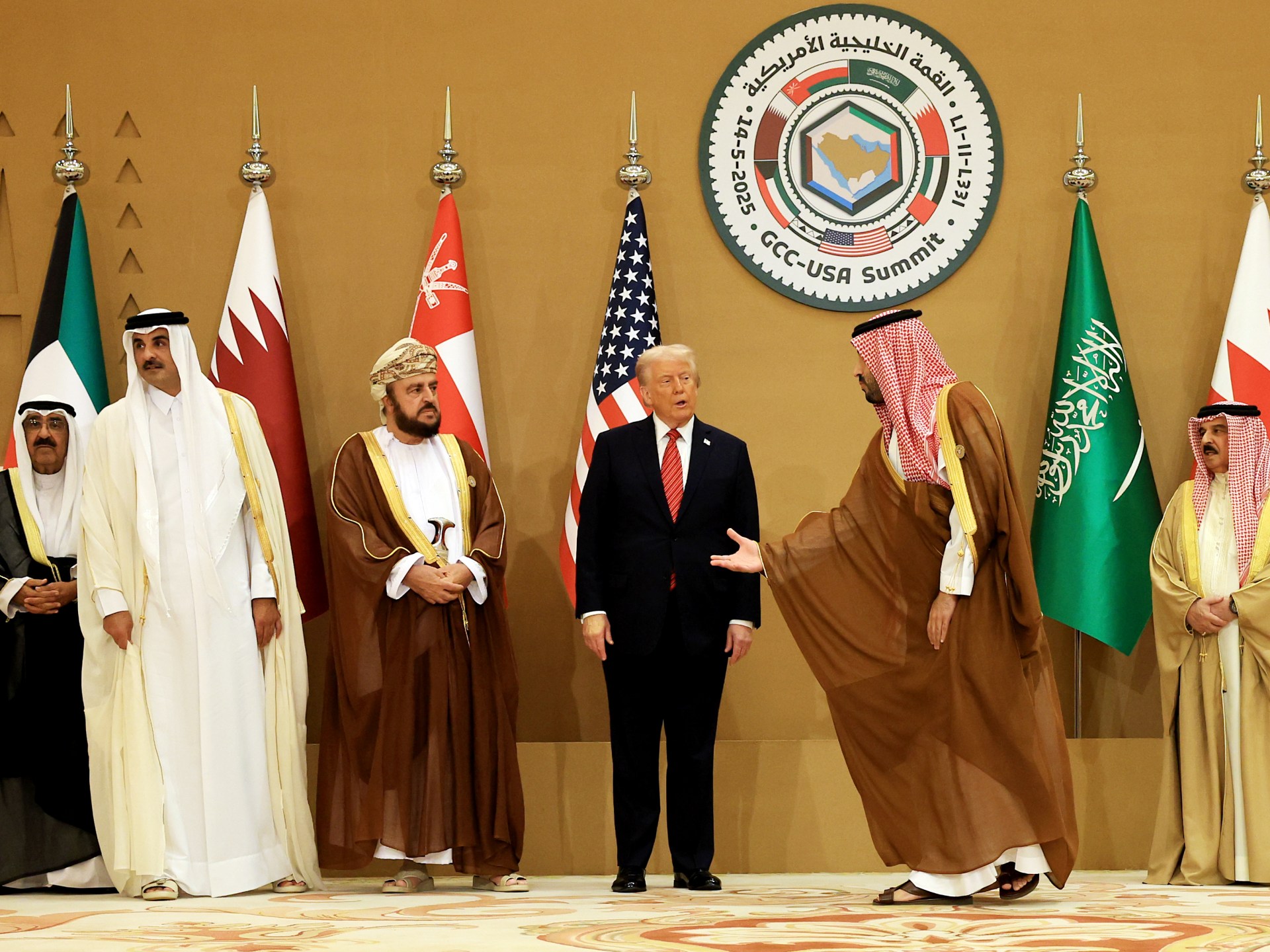
As the geopolitical tremors of the ongoing US-Israel war on Iran rattle the global economy, all eyes turn to New York. President Donald Trump is set to convene with leaders from the Gulf Cooperation Council (GCC) on the sidelines of the UN General Assembly. This Trump-GCC summit arrives at a critical juncture, with regional stability hanging in the balance after nearly seven months of intense conflict that has effectively choked critical shipping lanes and disrupted global energy markets.
Since the hostilities ignited on February 28, the Middle East has seen a series of unrelenting strikes targeting energy infrastructure, airports, and US installations. For the Gulf states—Saudi Arabia, the UAE, Qatar, Bahrain, Kuwait, and Oman—this is not merely a regional dispute; it is an existential economic crisis. The volatility has forced leaders to seek a unified front in their upcoming dialogue with Washington.
The Stakes of the Trump-GCC Summit
The primary concern for the GCC leaders is finding a de-escalation path that prevents further military entanglement. According to security experts, the coalition is expected to emphasize the grave vulnerabilities inherent in a sustained cycle of warfare. While individual nations face varying pressures—such as Qatar’s reliance on the Strait of Hormuz for LNG transit versus the UAE’s reliance on alternative pipelines—there is a collective desire to avoid a wider regional conflagration that would further spike energy prices.
Saudi Arabia finds itself particularly strained as it navigates the ongoing conflict in Yemen, where Houthi rebels have made significant territorial gains. Riyadh is actively lobbying for more decisive US support to counter these threats, adding a complex layer to the broader diplomatic agenda of the week.
Conversely, the administration in Washington is navigating a tightrope. With midterm elections on the horizon and domestic approval ratings under intense scrutiny, President Trump is facing internal pressure to stabilize petrol prices. Any aggressive military escalation could prove counterproductive for his political standing, yet the administration continues to weigh its options carefully.
Diplomatic Outlook and Potential Outcomes
What can be expected from these high-level discussions? While a comprehensive peace treaty is unlikely, the best-case scenario involves a renewed commitment to the memorandum of understanding that crumbled last month. Regional powers, including Qatar and potentially Pakistan, may serve as mediators to lower the temperature.
As the Trump-GCC summit unfolds, the international community remains watchful. The outcome of these talks could dictate whether the region slips further into chaos or finds a tentative, fragile path back toward a normalized status quo. With the Iranian leadership also present in New York, the potential for back-channel diplomacy remains a wild card in an increasingly unpredictable theater of war.