
Tkʼemlúps te Secwépemc chief says ‘white nationalist’ group protested on reserve
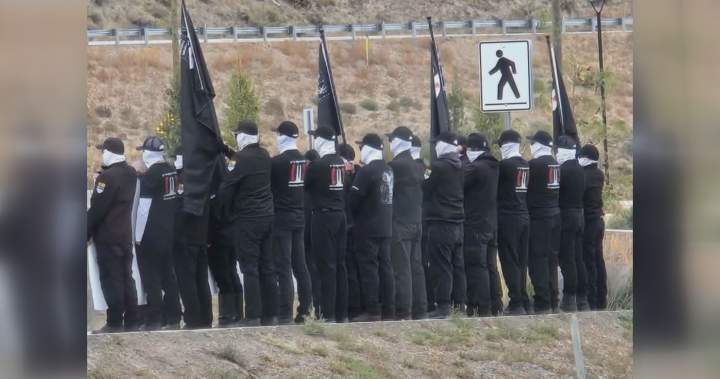
In an alarming display of intimidation, a group of masked individuals believed to be white nationalists recently staged a provocative demonstration on the Tk’emlúps te Secwépemc reserve. This unsettling event has sparked widespread condemnation across British Columbia as authorities grapple with the implications of such extremist activity encroaching upon First Nations land. The incident has cast a shadow over preparations for the upcoming National Day for Truth and Reconciliation, turning a time of solemn reflection into a moment of heightened anxiety for the community.
Kukpi7 Rosanne Casimir, the chief of the First Nation, expressed her deep shock upon encountering the group. The individuals, numbering between 20 and 30, were reportedly dressed in black clothing and wore face coverings to conceal their identities. This tactical display of anonymity, often utilized by hate-based organizations to bypass immediate legal consequences, left residents feeling vulnerable and fearful. According to local reports, the group carried flags and flags while patrolling the area, creating an atmosphere that many perceived as a direct threat.
Understanding the White Nationalist Threat
The presence of groups promoting white nationalist ideologies is not merely a localized nuisance but a broader systemic issue concerning public safety and social cohesion. These organizations often target vulnerable communities to generate headlines and instill fear, banking on the psychological impact of their presence. Experts often categorize such public displays of extremist ideology as a form of targeted harassment, which international human rights bodies frequently track as a precursor to more severe forms of social unrest.
Chief Casimir noted that the timing of this protest was particularly distressing. With September 30 approaching, a date meant to honor the survivors of residential schools and those who never returned, the intrusion felt like a calculated attempt to disrupt a significant cultural moment. For a community still healing from historical trauma, the arrival of masked agitators serves as a painful reminder of the persistent work required to foster genuine reconciliation in Canada. Many leaders have pointed out that such actions distract from the core meaning of Orange Shirt Day, shifting the focus from indigenous history to the vitriol of hate groups.
The response from leadership was swift. Premier David Eby condemned the protest, labeling the behavior as cowardly and dangerous, emphasizing that such actions have no place in a democratic society. Similar sentiments were echoed by political figures across the spectrum, including the Interim BC Conservative Leader, who denounced the event as a hateful act intended to intimidate the local population. As law enforcement continues to investigate, the community remains on high alert, relying on their internal security teams and support from the RCMP to maintain order.
Whether these individuals are affiliated with known hate groups like the Second Sons of Canada remains under scrutiny by investigators. In the meantime, the Tk’emlúps te Secwépemc have reaffirmed their commitment to safety, ensuring that their ancestral lands remain a place of pride and remembrance, free from the shadow of white nationalist intimidation. The resilience shown by the leadership in the face of this aggression underscores the vital importance of protecting indigenous communities from rising extremist threats in the modern political climate.