
‘Manifestly Erroneous’: Delhi Court Issues Notice To Brij Bhushan Sharan Singh As Women Wrestlers Challenge Acquittal
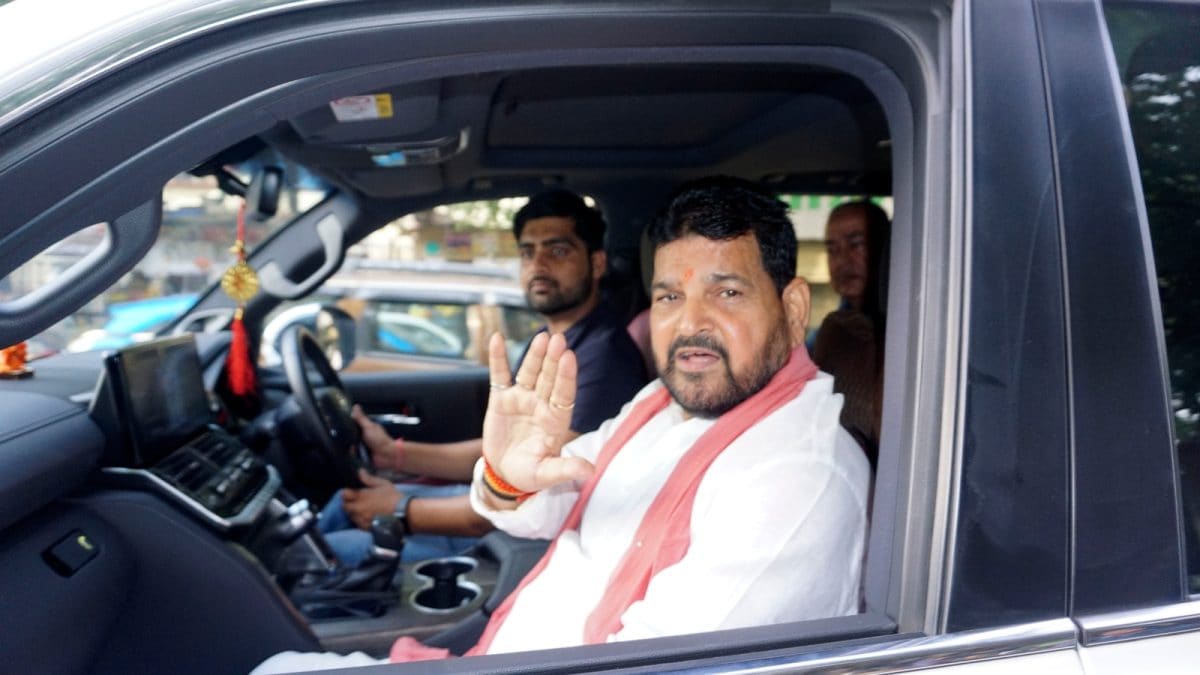
A high-stakes legal battle has returned to the forefront of the Indian judicial system as a Delhi sessions court has issued formal notices to former Wrestling Federation of India (WFI) president Brij Bhushan Sharan Singh and his associate, Vinod Tomar. This development marks a significant turn in the ongoing struggle for justice initiated by a group of prominent female athletes, who are collectively seeking to overturn a controversial trial court verdict that previously acquitted the duo in a high-profile sexual harassment case.
The Fight to Challenge Brij Bhushan Singh
The legal move comes after a magisterial court handed down an acquittal in August, citing what it described as a lack of proof beyond reasonable doubt. However, the four female wrestlers involved in the petition maintain that the original judgment was fundamentally flawed. Their legal team argues that the court’s decision was rooted in a Brij Bhushan Singh acquittal that was deemed manifesty erroneous. By failing to account for the complex power dynamics inherent in professional sports, the petitioners claim the lower court relied on outdated, stereotypical perceptions regarding how victims of abuse should act.
The appeal highlights a critical tension within the justice system: how courts weigh witness credibility against the traumatic reality of delayed reporting. In many instances of institutional harassment, such as the professional environment seen in global sports spheres, power imbalances often prevent immediate disclosure. The petitioners assert that the trial court improperly dismissed their claims based on perceived inconsistencies, which they contend should have been evaluated through a broader lens of workplace intimidation and authority.
Key Arguments and Judicial Directives
Beyond the primary sexual harassment allegations, the appeal seeks a comprehensive judicial review of the trial proceedings, specifically targeting the dismissal of criminal intimidation charges against Vinod Tomar. The petitioners argue that the original verdict failed to address the systemic pressure applied to the athletes. For a broader perspective on the difficulties faced by victims in high-profile cases, one can refer to global legal standards on workplace harassment to understand how such evidence is typically handled.
During the proceedings at the Rouse Avenue Courts, Special Judge Dig Vinay Singh issued clear instructions to protect the integrity of the process. In a move to ensure the privacy of the complainants, the court has ordered that original affidavits containing the names of the victims be placed in a sealed envelope. This directive aims to keep public records redacted, shielding the survivors from unnecessary scrutiny while the legal process unfolds.
The court has now directed the state, alongside Brij Bhushan Sharan Singh and Vinod Tomar, to submit detailed written responses to the appeal. All parties are expected to present their arguments during the next hearing, which is currently scheduled for October 9. This date looms large, as it represents a pivotal moment for the wrestlers who have campaigned for accountability for years. As the legal landscape in India continues to address sensitive public interest matters, this case remains a defining test of how institutional structures protect those seeking redress against influential figures.
As the legal community watches the developments in the Brij Bhushan Singh case, the focus remains on whether the sessions court will find sufficient merit in the appeal to warrant a full reopening of the evidence. For now, the silence of the courtroom has been replaced by the anticipation of the next session, where both sides will prepare for the arduous task of proving their claims in an arena that has already seen years of intense public and political debate.