
‘Marriage To Indian Citizen Gives No Right To Entry’: Kerala HC Rejects Pakistani Wife’s Visa Plea
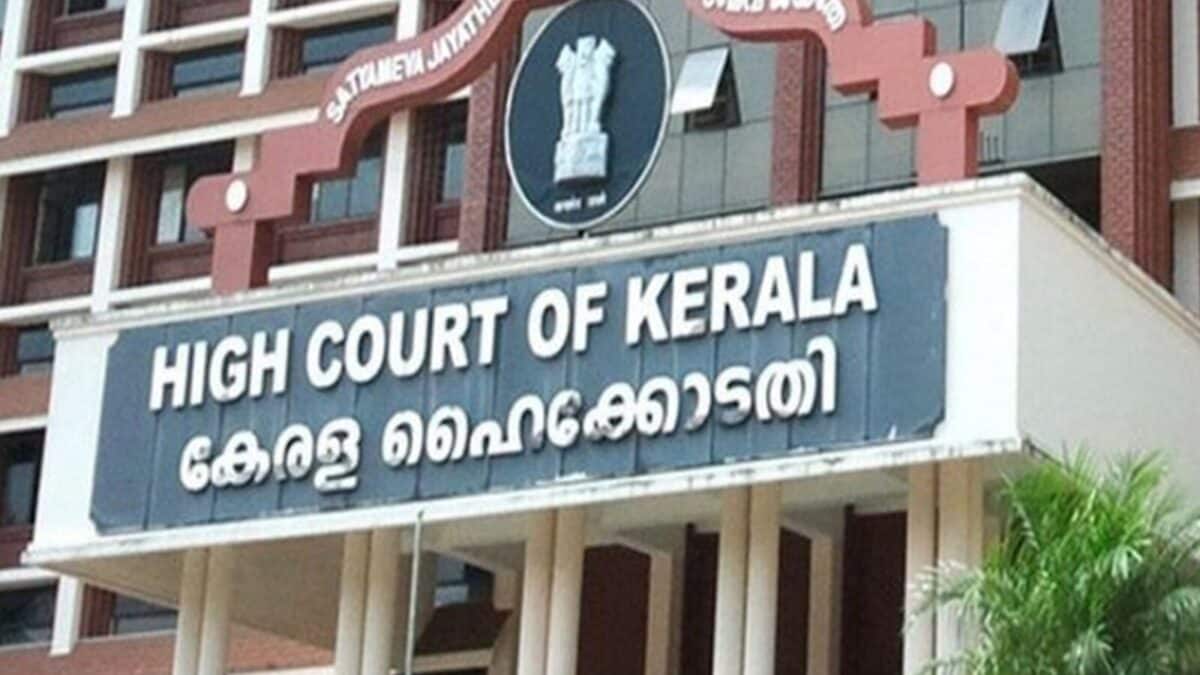
In a recent judicial development that underscores the limits of individual claims against sovereign state policy, the Kerala High Court has firmly established that an Indian visa is not a right granted by marriage. Justice Bechu Kurian Thomas presided over a case involving an Indian national and his Pakistani spouse, ultimately dismissing their petition to compel the government to process her entry request. This ruling serves as a stark reminder that international travel and residency permits remain firmly under the jurisdiction of the central government, particularly when national security is at the forefront of the conversation.
The legal controversy emerged after the couple, who were married in Dubai, sought entry for the wife to attend a family wedding in Kerala. Upon visiting the government’s official online portal, they found no mechanism available to process an application for a Pakistani passport holder. The petitioners argued that this administrative roadblock violated their fundamental constitutional rights. They pointed toward Article 14 and Article 21, asserting that their union should afford the wife certain protections under the law. However, the judiciary took a different stance, emphasizing that constitutional safeguards are inherently tied to territorial presence.
Sovereign Authority and the Indian Visa
The court’s decision clarifies that the state’s mandate to protect its citizens and borders is a paramount responsibility. During the proceedings, the Union government’s counsel articulated that the suspension of services for Pakistani nationals is not arbitrary. Instead, it stems from deliberate executive orders enacted in the wake of the April 2025 terror incident in Pahalgam. As noted in Wikipedia, sovereign states possess the absolute authority to regulate who enters their borders. Consequently, because the suspension of standard visa processing is an active policy directive, the court ruled it could not compel the government to bypass these security protocols.
This case mirrors broader concerns regarding border security and diplomatic relations. For more information on how such incidents shape national policy, you can explore related developments on international transport security. The Kerala High Court emphasized that unless an individual is already on Indian soil, they cannot invoke the protection of domestic fundamental rights to challenge immigration policy. This effectively creates a firm barrier for foreign nationals attempting to gain entry solely through marital ties.
Legal experts suggest this precedent will likely discourage similar petitions, as the court has signaled that it will not entertain challenges against established sovereign immigration procedures. The government’s stance remains that national security, sovereignty, and public order are non-negotiable pillars of its administrative framework. Unless the government chooses to revoke these executive orders, the path for Pakistani citizens seeking to enter India remains largely closed, regardless of marital status.
In summary, the ruling clarifies that marriage acts as a personal bond rather than a legal instrument for bypassing national visa laws. The judiciary has effectively shielded the executive branch from interference in matters of external security, leaving the decision to reopen or adjust immigration channels entirely to the discretion of the state, as guided by the current Foreigners Act, 1946. This definitive closure of the petition highlights the enduring power of state policy in navigating complex geopolitical realities.