
Morocco’s pro-Palestine protests challenge Rabat’s deepening Israel ties
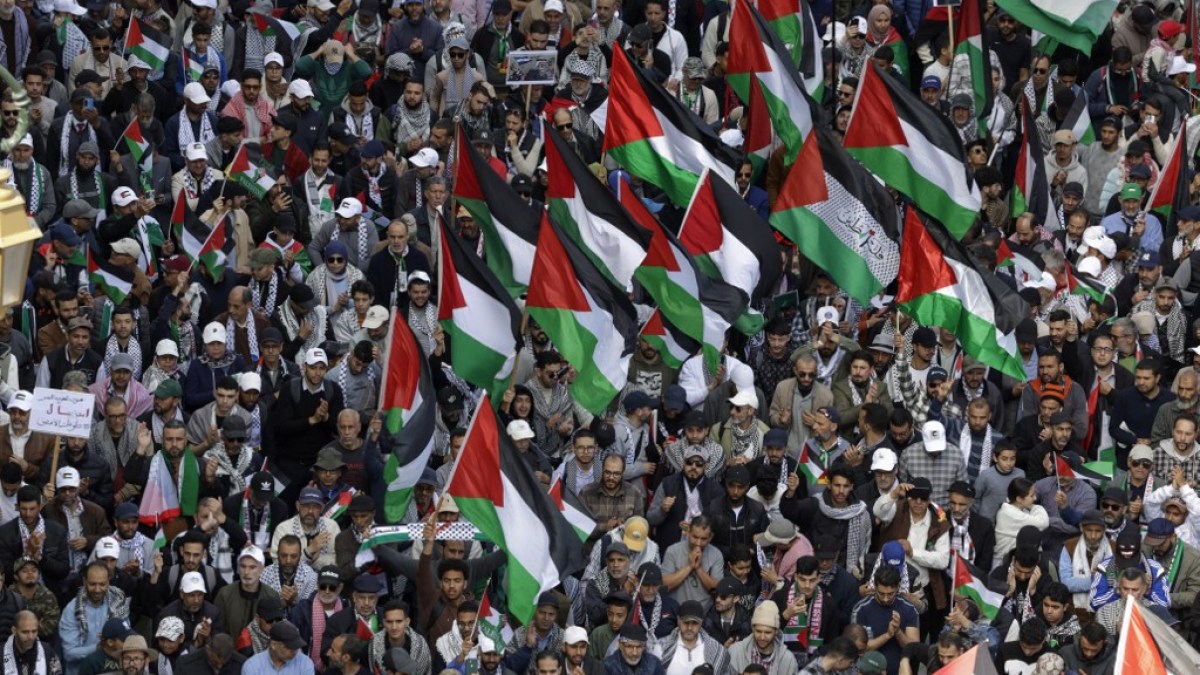
A wave of fervent pro-Palestine protests has recently swept across Morocco, signaling a growing and visible rift between the state’s strategic diplomatic maneuvering and the sentiments held by many of its citizens. As Rabat moves toward further solidifying its ties with Tel Aviv, these demonstrations reflect deep-seated public dissatisfaction regarding the ongoing diplomatic normalisation. The tension has been amplified by the recent expansion of the relationship, which includes plans to elevate diplomatic missions into full-fledged embassies, marking a significant step beyond the initial 2020 agreements.
The current Pro-Palestine protests are not merely isolated incidents but represent a coordinated effort by groups such as the Moroccan Front for Supporting Palestine and Against Normalisation. These organizations successfully mobilized thousands of people across dozens of cities, including Rabat, Casablanca, and Tangier, despite encountering significant pushback from local authorities. In some regions, security forces responded with arrests and restrictions on movement, aiming to contain the rallies, which served as a direct rebuke to the government’s recent diplomatic trajectory.
The Growing Divide: Pro-Palestine Protests vs State Policy
The core of this friction lies in the disconnect between official state policy and the moral weight many Moroccans place on the Palestinian cause. While Rabat views its deepening partnership with Israel as a vital component of a broader foreign policy—intricately linked to securing international recognition for its sovereignty over Western Sahara—the citizenry remains largely opposed to the deepening ties. This strategic calculation by the government is often perceived by activists as an attempt to decouple national interests from regional moral responsibilities, an approach that has sparked intense debate during a period of extreme hardship in the Gaza Strip.
As noted by experts, the geopolitical landscape is complex, with Morocco balancing its commitment to the United Nations and its trilateral agreements with Washington and Israel. Yet, the persistence of public street action suggests that for the average Moroccan, the diplomatic benefits—such as investment protection and expanded tourism—do not justify the perceived abandonment of solidarity with Palestinians. This situation echoes other instances where political tensions arise in the region, much like the scrutiny seen in recent cases such as when a Delhi Court issues notice in high-profile legal challenges, highlighting how public demand for accountability often clashes with established political authority.
The Role of Political Parties
The recent parliamentary elections added another layer of intrigue to the narrative. While the Party of Justice and Development (PJD) saw an increase in its parliamentary presence, characterizing this as a referendum on the country’s ties with Israel is problematic. Even when the PJD was in power during the initial 2020 normalization phase, its leaders presided over the very agreements they now criticize from the opposition benches. This highlights the inherent limits of using formal political structures to interpret the complexities of street-level activism.
Ultimately, the government remains steadfast in its institutional approach, pursuing economic and diplomatic growth with its Israeli counterparts. However, the recurring nature of these protests underscores a resilient, organized movement that refuses to go quiet. As the international community watches, the Moroccan leadership must grapple with whether it can successfully bridge the widening chasm between its calculated foreign policy and the deeply felt values of its population. The situation remains fluid, with observers noting that the influence of public pressure on future legislative decision-making remains highly uncertain, as the government continues to view these relations through a lens of pragmatic national security rather than public consensus.