
US pressures Europe over diesel reserves as Trump threatens export ban
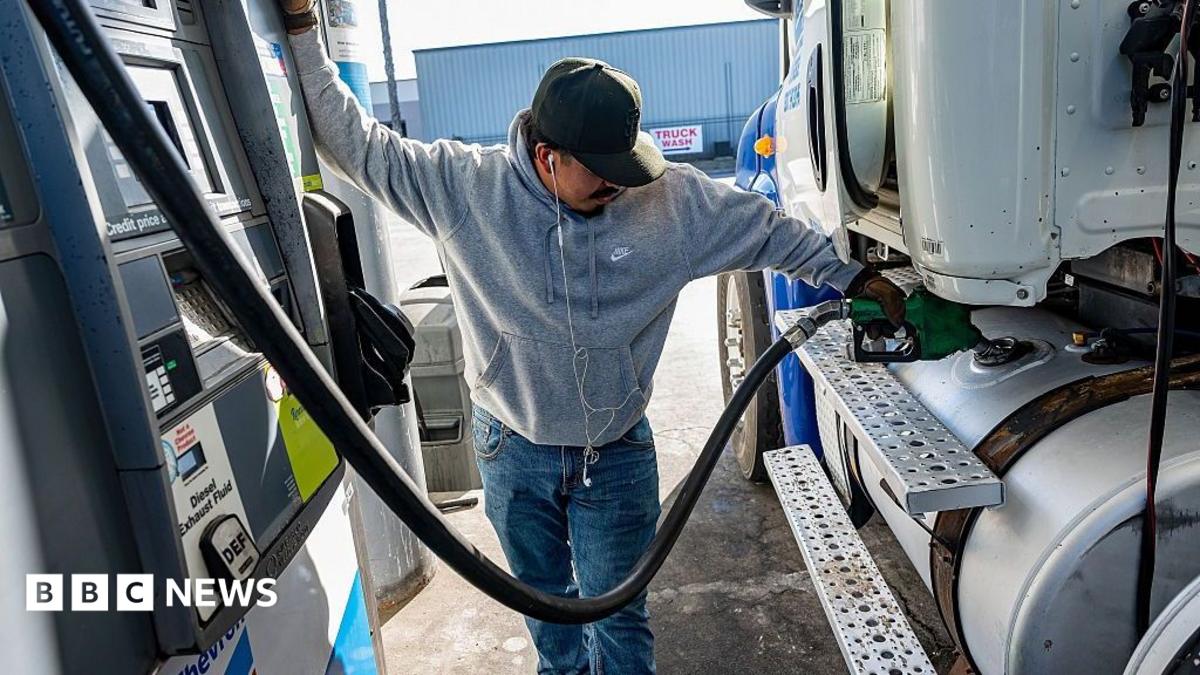
In an unfolding economic development, the United States is currently exerting significant pressure on European allies to tap into their strategic fuel inventories. This maneuver comes as the administration of Donald Trump weighs the implementation of a sweeping ban on US diesel exports to combat tightening domestic supplies. The urgency behind the diesel export ban stems from a combination of global geopolitical instability and the looming pressures of the upcoming midterm elections, where voters are increasingly sensitive to fluctuating energy costs at the pump.
Treasury Secretary Scott Bessent has been at the forefront of this diplomatic push, publicly urging European nations to release supplies immediately. The official stance argues that American citizens, including farmers and the trucking industry, should not be forced to bear the brunt of an global shortage. As experts monitor the situation, the potential for a ban creates a high-stakes standoff between domestic political goals and international energy security requirements.
The Geopolitics of a Diesel Export Ban
The global energy landscape has been significantly altered since the onset of the conflict in Iran earlier this year. The closure of the critical Strait of Hormuz has created a massive bottleneck for oil and gas transport. Because the United States remains a vital global supplier, exporting over 1.2 million barrels of diesel daily, any decision to restrict these flows would undoubtedly trigger a massive shock to international markets. Observers note that such a move could force prices even higher for countries like the United Kingdom, which already faces record-high fuel costs.
While political discussions continue behind closed doors, global energy authorities have expressed concern regarding the long-term viability of these measures. The delicate balance between domestic economic relief and global stability remains precarious. For context, historical analysis of similar political climates can be found in discussions on political myth-making and public perception, which often shape how voters view government interventions during crises.
Economic Impacts and Future Risks
Diesel is fundamentally distinct from gasoline due to its specialized refinement processes and its indispensable role in the agricultural and logistics sectors. Unlike consumer vehicle fuel, the demand for diesel is notoriously inelastic, meaning that price spikes hit essential supply chains hard. In the United Kingdom, the Royal Automobile Club (RAC) has reported that prices remain volatile, hovering near record thresholds. This situation mirrors concerns found in other sectors, such as when utility costs increase, forcing consumers to adjust their budgets significantly.
The administration insists that prioritizing domestic inventory will stabilize costs for American truckers and businesses in the short term. However, economists warn that cutting off external supply chains may lead to a reciprocal escalation in prices globally. The European Commission has confirmed that high-level contacts between the EU and the US administration are frequent, yet no formal resolution has been reached. As the November election approaches, the visibility of this potential diesel export ban is expected to heighten, with political campaigns utilizing the crisis as a key talking point in their appeals to working-class voters.
Ultimately, the challenge for both European and American leadership lies in balancing the immediate needs of their constituents with the structural requirements of a globally connected energy market. Whether this political maneuvering results in a temporary reprieve for drivers or a prolonged period of market volatility remains to be seen in the coming weeks.