
Nearly 1,500 migrants arrive in Myanmar from Malaysia despite UN warnings
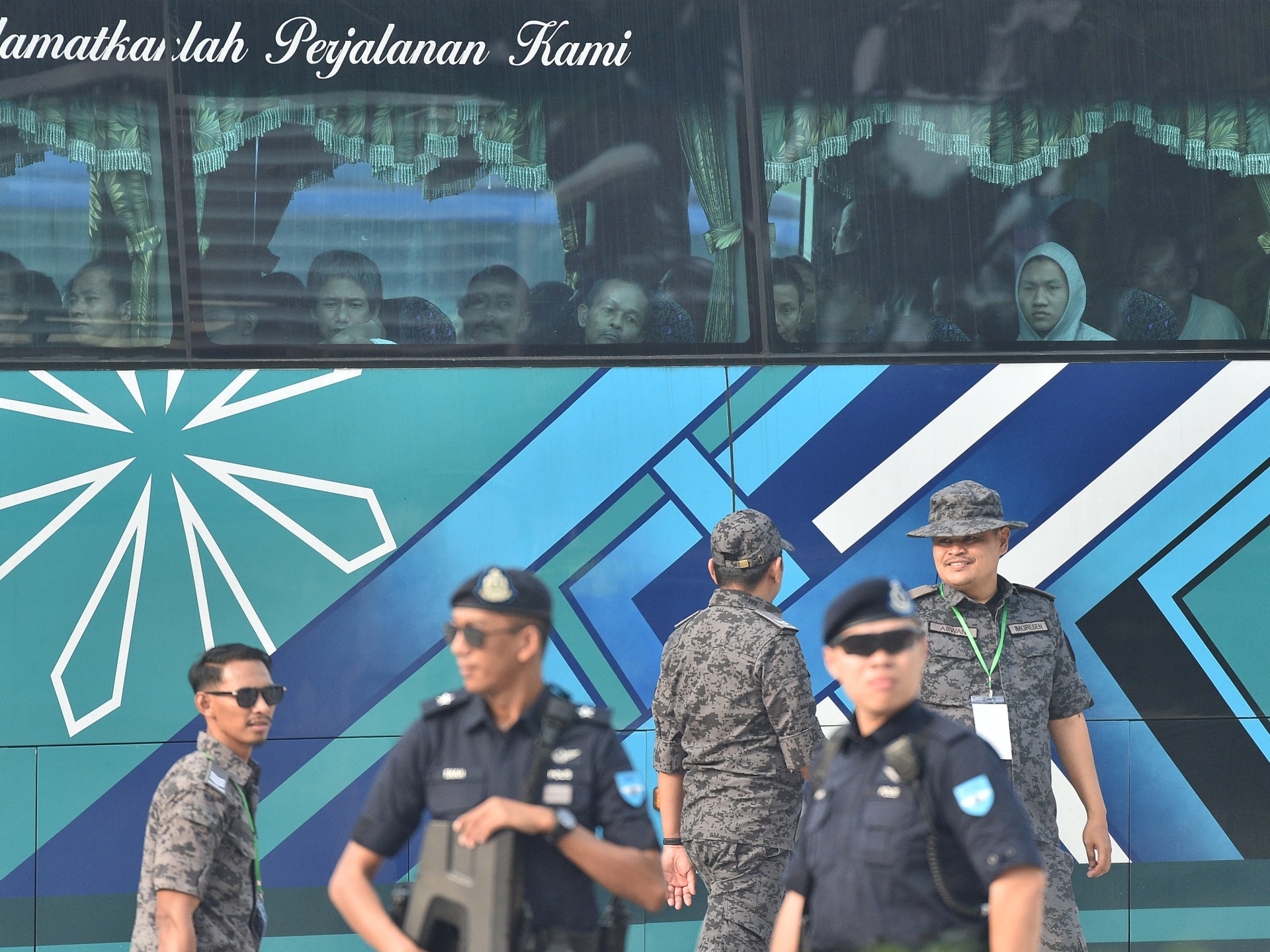
Nearly 1,500 individuals have been returned to a nation currently fractured by internal strife, marking a troubling development in the ongoing saga of Myanmar refugee displacement. Under an opaque repatriation initiative that has drawn sharp rebukes from international human rights organizations and the United Nations, these returnees were transported from Malaysia via navy warships and a hospital ship. Their arrival in southern Yangon this past Sunday highlights the volatile intersection of regional migration policies and the deteriorating safety standards within a war-ravaged state.
The scale of this operation is significant, as these individuals represent only the first phase of a larger plan to return 5,000 Myanmar nationals to their homeland. According to official data from the Malaysian Home Ministry, more than 10,300 people remain ensnared in immigration detention centers, casting a long shadow over the voluntary nature of these departures. While Kuala Lumpur maintains that all returnees consented to the process, rights monitors express deep skepticism, citing a lack of free and informed choice under pressure. The UNHCR has explicitly noted that its staff were denied access to verify these decisions, a transparency failure that deepens fears about the safety of those involved in Malaysia’s shifting stance on vulnerable populations.
The Fragile Status of the Myanmar Refugee Population
The situation is further complicated by the demographic makeup of those being sent back. Rohingya individuals comprise the majority of Myanmar refugees and asylum seekers residing in Malaysia. Given that Myanmar has faced credible accusations of genocide against the Rohingya, the uncertainty regarding their fate upon return is profound. For more context on the historical backdrop of these ethnic tensions, one might examine the broader international investigations into the violence that triggered this crisis. The deportation follows a year marked by aggressive immigration raids, with over 50,000 detentions documented in 2026 alone.
Prime Minister Anwar Ibrahim, facing a political climate increasingly colored by xenophobia, has justified these measures by labeling refugees a burden on the nation’s financial and social stability. Yet, the humanitarian cost is undeniable. Experts, including those at Fortify Rights, warn that there is no mechanism to guarantee how the current regime will treat those who have returned. The specter of forced military conscription and political persecution in an active war zone looms large, turning the concept of a safe and dignified return into a hollow promise.
The Geopolitical Consequences of Forced Returns
Since the military coup in 2021, Myanmar has descended into a multi-front civil war that has claimed over 100,000 lives. The irony of repatriating citizens to a territory where the military coup leader, Min Aung Hlaing, remains the central figure in a conflict-driven government is not lost on observers. Plans for a high-level visit by Hlaing to Kuala Lumpur to solidify these schemes suggest that the policy of expulsion is likely to continue.
As the international community watches this humanitarian unfolding, the lack of adherence to the UN Refugee Convention by host countries like Malaysia remains a critical concern. While Malaysia is not a party to the convention, it serves as a sanctuary for over 215,600 registered refugees. The decision to prioritize repatriation over international protection standards could set a dangerous precedent, forcing thousands of vulnerable families back into the very conflict zones they fled. With thousands more slated for deportation, the international community remains in a state of alarm, wondering if diplomatic pressure will ever be enough to halt a trend that places administrative efficiency above human life.