
Malaysia gave refuge to Rohingya; now it wants them to go
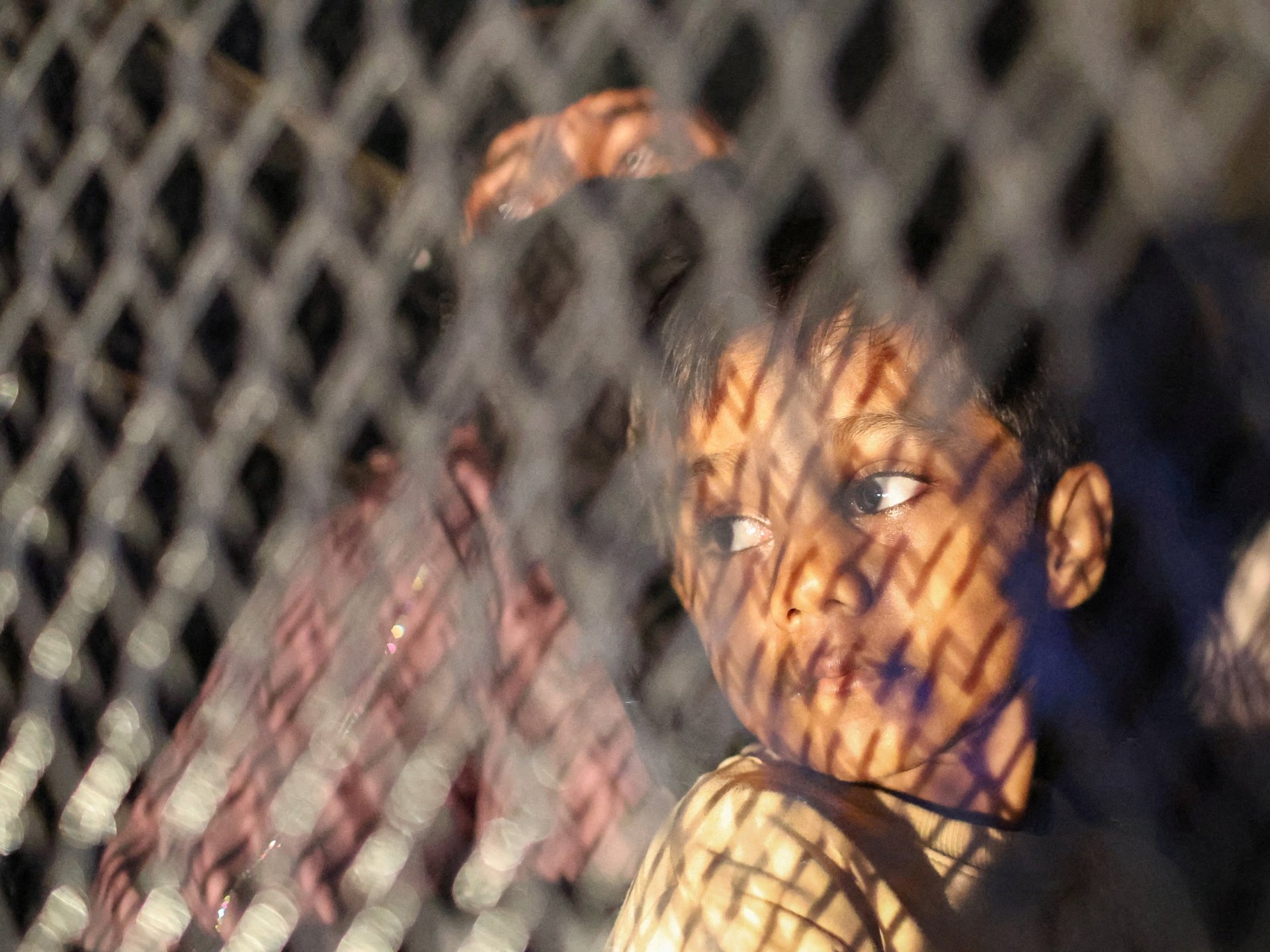
In a profound shift that has rattled human rights advocates worldwide, Malaysia has begun the process of repatriating Rohingya refugees, signaling an end to a long era of tolerance. For the estimated 125,000 members of this stateless Muslim minority, the country has served as a sanctuary from the horrors of systemic persecution in Myanmar. However, the Rohingya crisis is now entering a volatile new chapter as Kuala Lumpur initiates the forced return of nearly 1,500 individuals, raising urgent concerns about their physical safety and the broader implications for refugee rights.
For years, many Rohingya families found solace in the quiet neighborhoods of Kuala Lumpur. Children, denied access to formal state education, gathered in makeshift classrooms supported by NGOs, learning everything from the Quran to standard academic subjects. Despite the absence of legal status, since Malaysia is not a signatory to the 1951 UN Refugee Convention, the local population historically offered an unofficial welcome grounded in religious and cultural solidarity. That fragile stability is now shattering under the weight of economic anxiety and digital vitriol.
The Escalating Rohingya Crisis and Social Unrest
The situation for the Rohingya has deteriorated rapidly, fueled by viral social media misinformation campaigns that cast the community as an economic burden. Vigilante-style content creators have begun targeting individuals in public, filming harassment and spreading xenophobic narratives. Nur Sadek, executive director of Rohingya Rights Response, notes that the climate of fear has reached a breaking point. Many refugees are now too terrified to leave their homes, fearing both public hostility and the loss of access to the informal labor market, which is their only means of survival.
This social friction coincides with political maneuvering ahead of national elections. Critics argue that the government of Prime Minister Anwar Ibrahim is using the repatriation as a tactical political tool to appeal to nationalist sentiment. While officials maintain that these returns are strictly voluntary and that the safety of returnees is guaranteed, international observers remain deeply skeptical. The reality of a brutal, ongoing civil war in Myanmar makes such promises appear hollow to many, especially given the history of the 2017 military crackdown, which resulted in the displacement of over 700,000 people. You can read more about recent developments in regions experiencing similar instability, such as the ongoing conflict in Somalia.
The legal landscape surrounding this issue is equally fraught. The International Court of Justice is expected to deliver a verdict soon regarding a case of genocide brought by The Gambia. As the international community watches, the decision to return vulnerable populations to the very state currently accused of orchestrated violence has drawn sharp condemnation from the United Nations. Furthermore, the volatility in Southeast Asia often mirrors broader human rights collapses that demand global intervention rather than isolationist policies.
The plight of the Rohingya is inextricably linked to the internal stability of the nations that host them. As reported in recent updates regarding local political shifts in other regions, domestic priorities often overshadow humanitarian obligations during election cycles. For the Rohingya, the path ahead looks increasingly precarious. If they are sent back, they face a landscape defined by military rule and civil unrest; if they remain, they face an increasingly hostile public and a government no longer committed to their protection. The international community now faces the daunting task of applying diplomatic pressure to ensure that these thousands of lives are not sacrificed to secure temporary political gains in Malaysia.